Wheelbarrows
If you’re choosing wheelbarrows for site work, start with what you’re moving and how far it’s going. A builders wheelbarrow or contractor wheelbarrow suits heavier loads and rough ground, while a two wheel wheelbarrow gives more stability if the load shifts or you’re on softer ground. Steel models take harder use, but they’re heavier to handle. Poly versions are easier to tip and wash out more often.
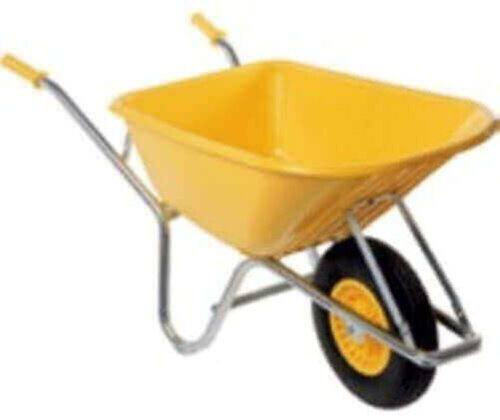
Belle Warrior Wheelbarrow - 100L
Belle Warrior wheelbarrow with 100 litre capacity
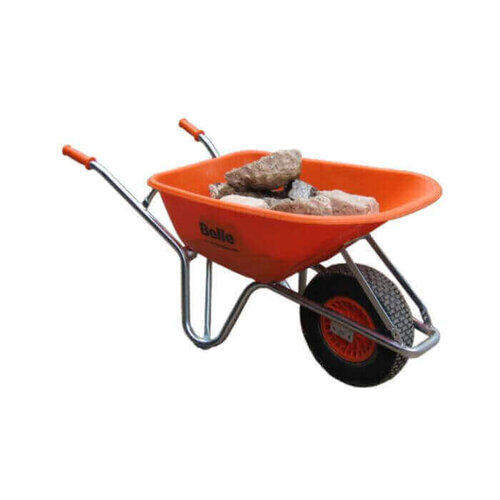
Altrad Belle Warrior Wheelbarrow - 100L
100-litre HDPE wheelbarrow for heavy-duty building work, orange
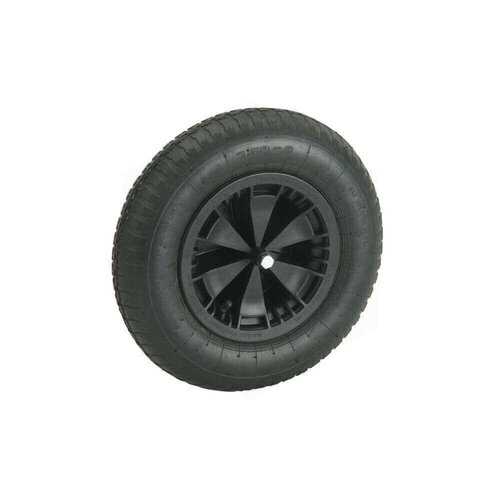
Spare Wheel for Pneumatic Wheelbarrow
Spare pneumatic wheel for wheelbarrow replacement and maintenance
For the Trade
Start with capacity against handling. You need enough load for the job, but not so much that the barrow becomes awkward in tight access or over rough ground. A contractor wheelbarrow usually fits hard all-day use. A builders wheelbarrow is the common all-round pick for general site work. A two wheel wheelbarrow gives more stability, but it needs a wider line and can feel clumsy where space is tight. Steel and poly versions change how they wear and how they feel in use. The right choice is usually the one that matches the job, not the heaviest one on the page.
Types of Wheelbarrows
A builders wheelbarrow is the usual pick for general site work. It gives you a familiar balance of load and handling.
A trade wheelbarrow makes more sense when it’s used hard and often. You’re paying for that extra wear.
A heavy duty wheelbarrow suits rough ground and heavier mixes. You lose a bit of ease when it’s empty.
Two wheel wheelbarrow options are worth a look when stability matters more than quick turning. If you’re matching the barrow to the rest of the job kit, Building Supplies keeps it in context.
Selection Factors for Wheelbarrows
Material is where most of the choice gets made.
A steel wheelbarrow usually suits harder daily use because it gives you a firmer enamelled face. The trade-off is weight. On awkward ground, you’ll feel that every time you move it.
Poly is lighter and easier to handle. It does not feel as solid when it’s being knocked about. For mixes and muck, that difference matters. A barrow that feels fine empty can become a nuisance once it’s loaded.
If the job is feeding Aggregates & Chemicals or moving stock around Brickworking, the material choice usually comes down to durability or easier handling.
Finish the Room
Once you’ve picked the wheelbarrow, the next call is what else has to move with it. If you’re shifting loose fill, mortar or spoil, you want the right storage and handling kit so you’re not reloading by hand.
Where the run is tight or the ground is awkward, a two wheel wheelbarrow sits steadier, but it turns more slowly in confined spaces. For heavier daily use, a heavy duty wheelbarrow or contractor wheelbarrow is the one to keep back for the rougher jobs. A garden wheelbarrow suits lighter loads when the route is easier.
Related searches
Local availability for Wheelbarrows





