Building Supplies
Building supplies usually comes down to what is holding the job up, what needs to go in next, and how much handling you have room for. If you are keeping one order moving, the choice is between general stock for the basics and the more specific items you pull from the child ranges when the spec tightens. On bigger jobs, delays usually come from the wrong mix in the load, not a lack of product.
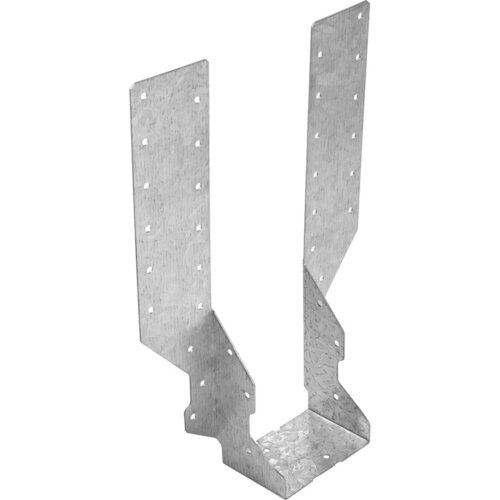
Timber to Timber Joist Hanger - 47 x 272mm 10 Pack
Pack of 10 chrome joist hangers, 47x272mm
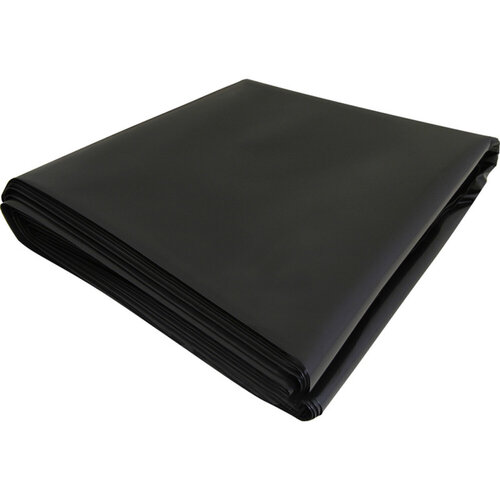
BBA Damp Proof Membrane Handi-Pak - Black 3m x 4m (250mu)
BBA-certified damp-proof membrane in black, 3m x 4m, 250mu, recycled polythene
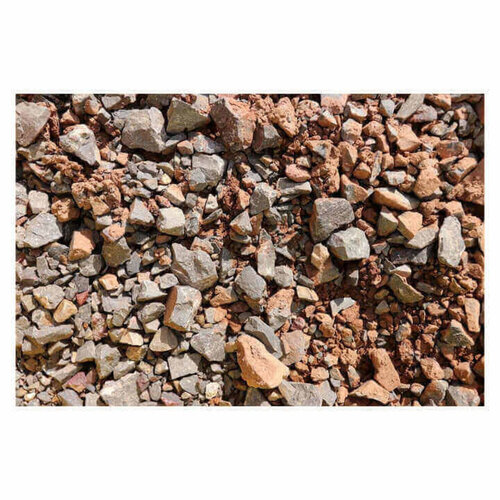
MOT Road Stone Type 1 Large Bag London & Midlands - 35kg
MOT Type 1 road stone 35 kilogramme large bag

Blue Hawk Mortar Mix - 10kg
Blue Hawk two-part mortar mix for bricklaying and repairs, 10kg
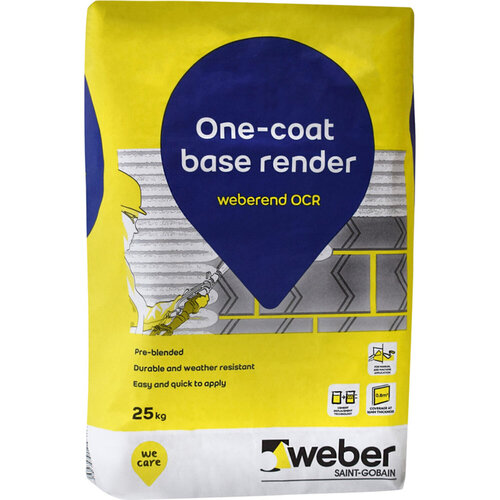
Weber One Coat Base Render - 25kg
Pre-mixed one-coat base render for masonry, 25kg
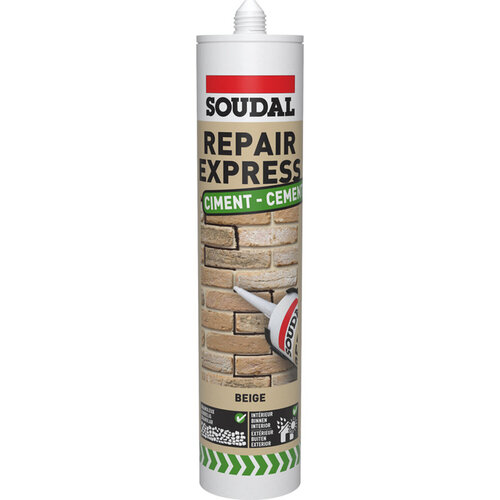
Soudal Repair Express - 290ml Cement Beige
290ml beige acrylic repair cement for fast concrete repairs using a caulking gun

Rhino Bucket - 40L Yellow
Yellow 40L heavy-duty flexible bucket, BBA tested to 360kg
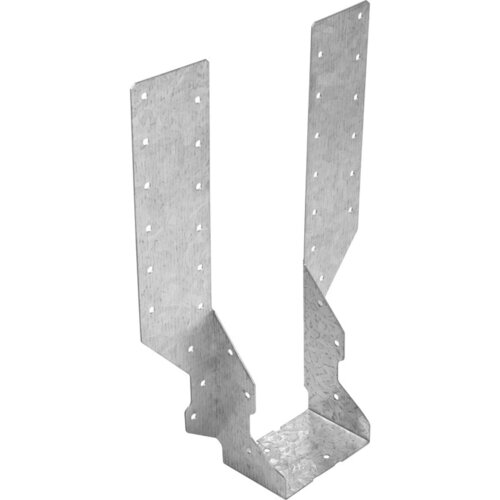
Timber to Timber Joist Hanger - 47 x 272mm
Galvanised steel timber to timber joist hanger, 47 x 272mm, for joist heights 15…
For the Trade
Start with the space you’ve got and how the material will be used. That usually tells you more than finish or accessories do. Tight access and an awkward layout rule out bulkier options fast. A straightforward run gives you room to choose the spec that suits the job, not just the one that is easiest to handle. The Building & Doors hub is the sensible place to orient yourself if you’re comparing building supplies with the other trade lines. After that, it comes down to what fits the space, what the job needs, and what you can leave out without causing a comeback.
Aggregates & Chemicals
If you’re buying building supplies for this part of the job, start with what’s being fixed or made up. That tells you whether a general-purpose item will do or if you need something with more performance behind it.
This range covers the consumables and additives that keep the job moving. Aggregates & Chemicals is the narrower buy when the spec calls for a more specific material. Broader stock is easier to keep moving with. The tighter spec can save you a comeback later.
Brickworking
For this part of the job, you’re usually weighing speed, finish and how much handling you can live with. Brickworking is the narrower buy when the work is centred on bricklaying details rather than general building supplies, so you’re not paying for stock you won’t use.
That matters when one trade is driving the job and the sequence is tight. The usual mistake is buying too broad and ending up with mixed material on the wagon. The cleaner call is the line that matches the task and keeps the rest of the order tidy.
Builders Metalwork
If you’re buying building supplies for a job, start with what needs fixing, holding, packing out or finishing. That tells you whether you need general stock or something more specific.
Most of the split is between everyday consumables and the bits that solve a detail problem. Fixings, supports, membranes, insulation, or the right finishing item all sit in that second group. Builders Metalwork is one of those. You pick it when the job needs restraint, support or a cleaner connection. You give up a bit of simplicity because the spec matters more.
Cement Mixers
Cement mixers come down to batch size, site access and how long you want the machine tied up. A small mixer works for patching, steps and short runs where you can keep feeding it. A larger drum makes more sense when you’re turning out repeated mixes and want fewer stops.
The trade-off is simple. Bigger capacity saves time on volume, but it is heavier to move and takes more room to park. On a busy job, the mixer that is easier to shift is usually the one that gets used.
Construction Equipment
Construction equipment is what you buy when hand tools won’t keep the job moving.
Start with what’s holding you up. Lifting, cutting, mixing, access, or site power. That tells you whether you need something light enough to move about, or kit that stays put.
How often you’ll use it matters too. Cheap gear can do for a one-off. The kit that comes out every day is where you soon see the difference.
Coving
Coving is the one you pick when the finish matters more than the structure, so profile and depth usually come before price. A plain, shallow section gives you a clean line. A deeper moulding hides more of the junction, but it can look heavy if the room is already busy.
Matching the run to the rest of the trim matters too. If the skirting and architrave are chunky, a thin profile looks lost. The simplest section that still suits the room is usually the better call, because ornate profiles show every bad cut and every uneven wall.
Key Differences When Choosing
What usually decides it is how specific the job is. If you just need stock to keep the job moving, standard building supplies are the economical call. Once the spec tightens, you pay for the exact material, size or fixing detail that avoids a return visit.
That is where trade building supplies earn their keep. You give up some flexibility, but you are not forcing a general item to do a specialist job. Handling and waste matter too. The heavier or bulkier the item, the more it affects how it gets to the workface and whether you will use the full pack.
Next Decisions After Choosing
Once the main order’s sorted, the next call is usually what finishes the surrounding work without a return trip. If you’re lining out a room, the panels and finishes need to be in the same conversation as the base materials. Storage or screens often get picked at the same time, because they affect the final layout and fixing points.
Leave those bits until last and you can end up with sizes or finishes that no longer suit the job. Keep the building supplies tied to the actual install, then bring in the adjacent pieces that close it out cleanly.
Related searches
Local availability for Building Supplies