Doors
When you’re choosing doors, start with where they’re going and how hard they’ll be worked. For ordinary room doors, a lighter slab is often enough. If you want more weight in the hand and better sound control, solid core is the usual step up. Fire doors only go where the spec calls for them. Pre-finished saves time, unfinished gives you more control on colour. Glazed or panel doors change the look without changing the basic job.
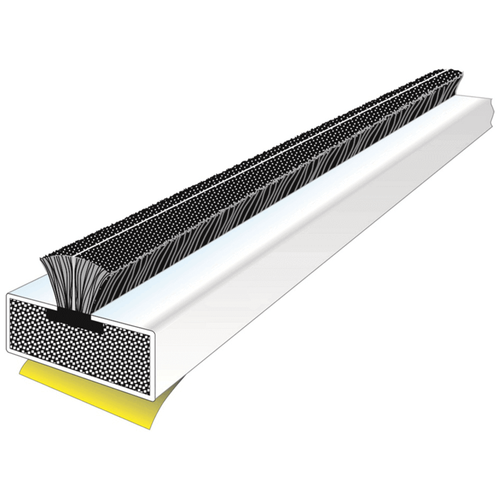
"Fire & Smoke" Intumescent Strip 30FS - 4mm x 10mm x 2.1m - White
Self-adhesive white intumescent fire & smoke strip, 4mm x 10mm x 2.1m, Certifire…
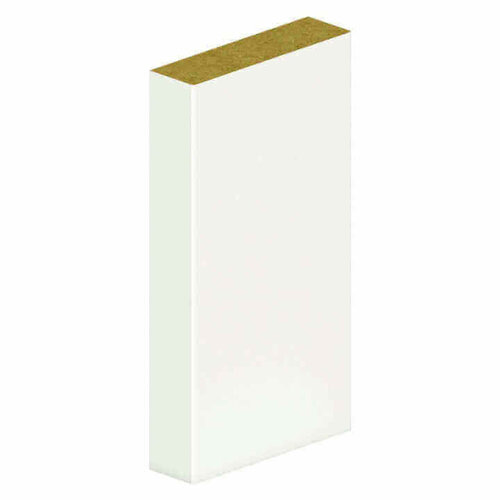
MDF Primed Door Lining Set FSC - 25mm x 108mm
MDF primed door lining set, 25mm x 108mm, FSC certified
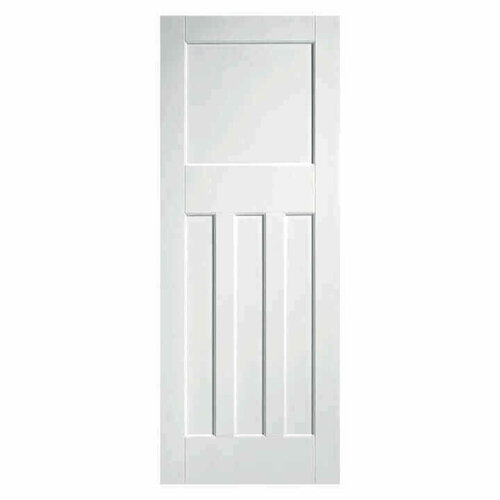
DX30 White Primed Door - 1981mm x 762mm x 35mm
White primed door, 1981x762x35mm, ready for final painting
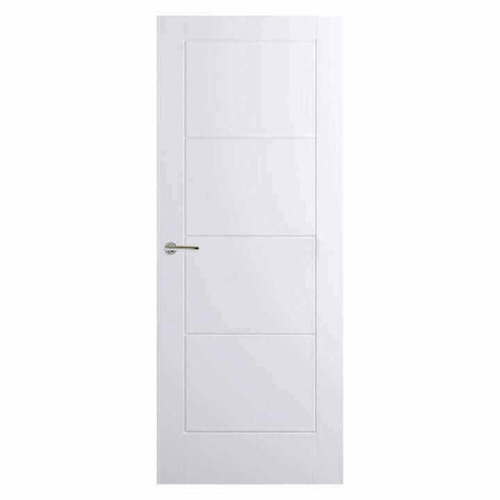
Ladder Moulded Internal Door FSC - 1981mm x 686mm x 35mm
Interior ladder moulded door, 1981x686mm, FSC certified
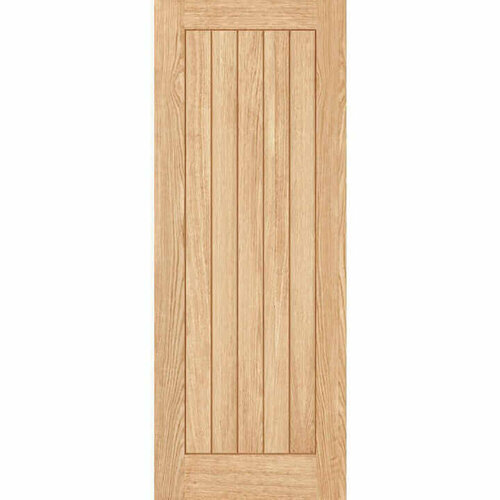
Belize Prefinished Oak Internal Door FSC - 1981mm x 838mm x 35mm
Belize prefinished oak internal door, 1981x838x35mm, FSC certified
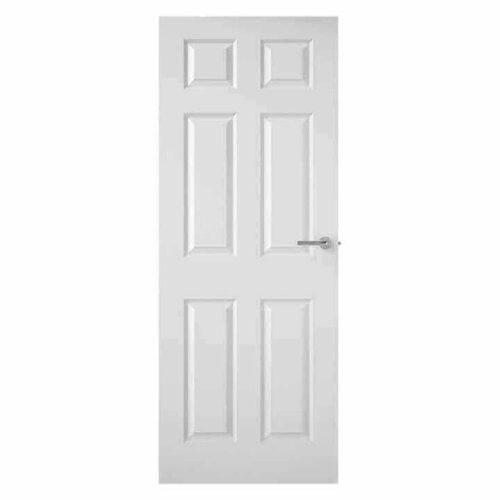
6 Panel Textured Internal Door FSC - 1981mm x 610mm x 35mm
Interior 6 panel door, textured finish, 1981 x 610 x 35mm
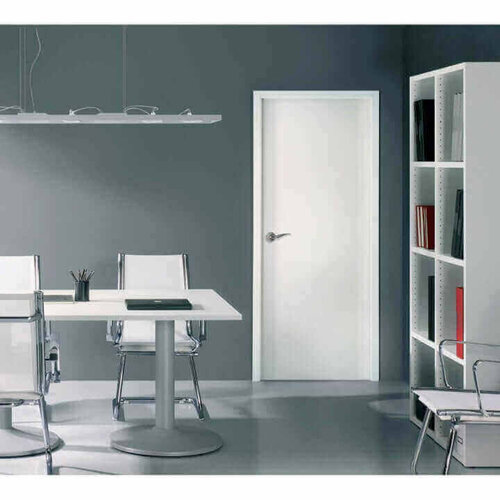
Flush External Plywood Door FD60 - 1981mm x 838mm
Flush exterior plywood FD60 fire door, 1981mm x 838mm
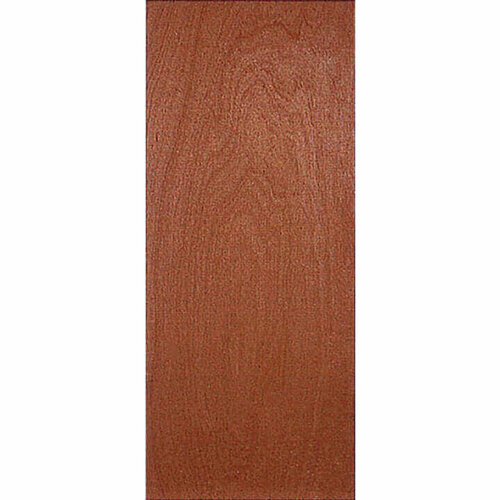
Flush Internal Plywood Door - 1981mm x 610mm
Flush internal plywood door, 1981mm x 610mm, paintable
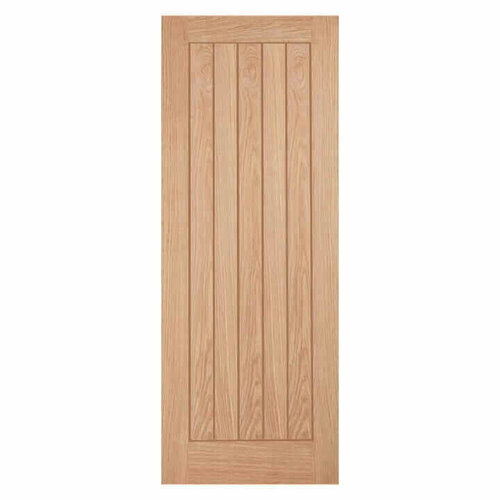
LPD Doors Belize Oak Door FSC - 1981mm x 762mm
Internal oak veneer door with five vertical panels, 1981mm x 762mm, unfinished
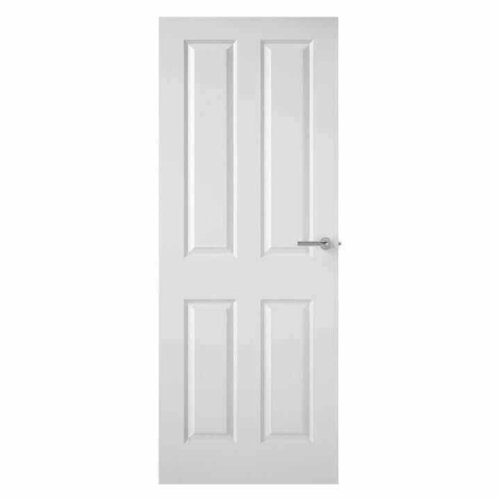
4 Panel Textured Internal Door FSC - 1981mm x 686mm x 35mm
4-panel textured internal door, 1981x686mm, 35mm thick, FSC certified.
For the Trade
Start with the space you’ve actually got and how the door will be used, then the rest gets easier. A tight landing, a wide opening, or a door sitting in a busy run will point you one way. A straightforward room door can then be chosen on finish and weight. That is where you separate a basic slab from one that needs more spec, such as fire doors where the job calls for it. Finish comes after that. A lot of call-backs start when the door suits the look but not the opening, so check the layout first and the rest falls into place.
Door Options Compared
Internal doors usually come down to weight, privacy and noise control. External doors are chosen for weather exposure and security first, not looks. If the spec calls for rated protection, fire doors take priority, and you don’t want to swap in a standard slab to save a bit of time.
Solid core doors sit in the middle. They’re heavier than basic room doors and feel steadier in use, but you pay for that in handling. If you’re comparing the full range, Doors & Door Fittings is the parent hub to work back from.
Choosing Materials and Size
Start with where the door’s going and what drives the spec. That cuts the list down fast. For internal doors, weight, finish, and whether you need a plain slab or a panel door matter more than most people think. A lighter door is easier to handle. A heavier build usually feels more solid and takes knocks better.
Oak doors make sense when the finish stays visible. White doors suit repeat work where you want a clean, consistent look without extra decorating. For external doors, weather exposure and security come first. If the job is really about access to a garage or a covered entrance, look at Garage Doors or Porches instead of forcing a standard door into the wrong role.
Completing the Setup
Once you’ve picked the door itself, the next call is the parts around it that stop the job coming back. If you’re lining up a run of room doors, check the frames, linings and architraves first. Mismatched sizes or profiles slow a fit-out down.
Where you need privacy or light control, glazed panels and matching side screens can change the spec without changing the opening. Storage fronts and sliding wardrobe doors sit in a different order. They’re about clearance and access, not just finish. Garage doors and porches sit in their own bracket, so keep them out of the main door order.
Related searches
Local availability for Doors









