Doors & Door Fittings
When you’re pricing up doors & door fittings, start with what the door has to do. Hollow core suits lighter internal work where cost matters. Security doors and heavier external sets need the right locks, seals and frames to go with them. Sliding doors and bi-fold doors bring their own fittings and clearances, so the hardware choice follows the opening, not just the style. The wrong hinge or lock is what usually brings the call-back.
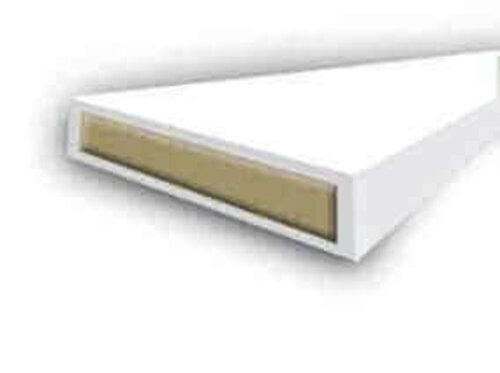
Astroflame Intumescent Fire Seal Strip 60 Minutes Rated - 4X20X2100MM - White
White intumescent fire seal strip, 4x20x2100mm, 60-minute fire resistance.
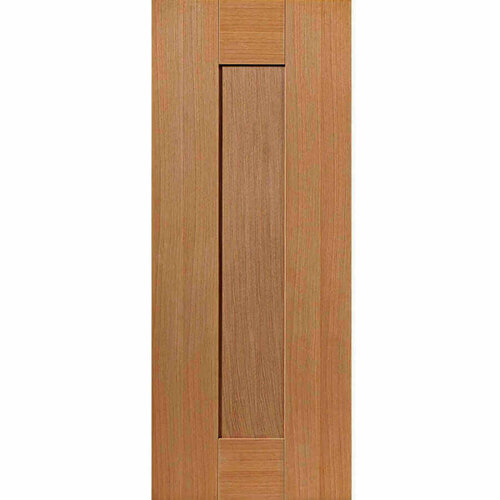
JB Kind Axis Oak Internal Door - 35mm x 762mm x 1981mm
JB Kind Axis oak internal door, shaker style, 1981 x 762 x 35 millimetres
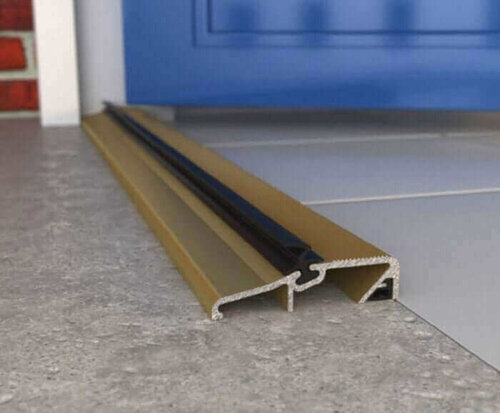
Exitex Slimline Threshold Aluminium - 914mm
Aluminium slimline threshold, 914mm, silver, 18mm clearance
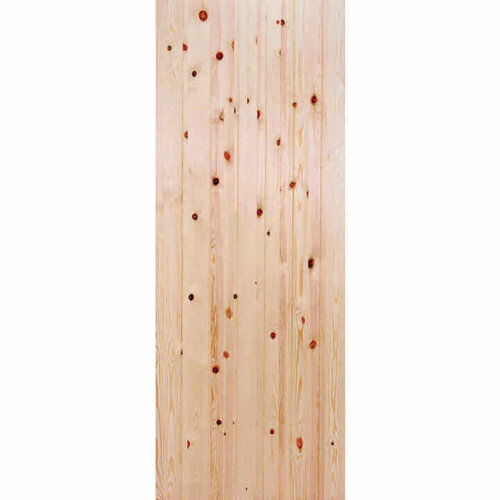
Colonial External Hardwood Door - 1981mm x 762mm
Colonial style exterior hardwood door, 1981 x 762 mm
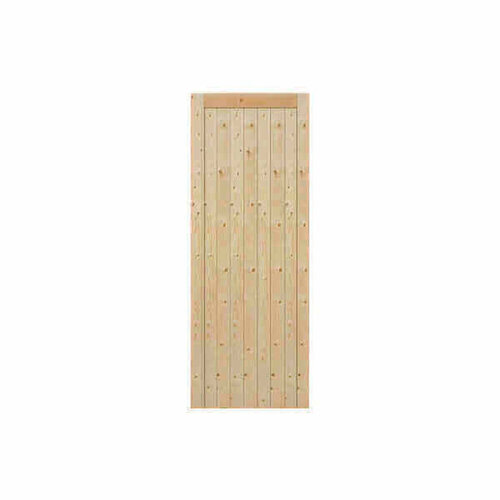
JB Kind Framed Ledged and Braced Door - 2'6" x 6'6"
Unfinished solid softwood internal door, 762x1981mm, knotty appearance
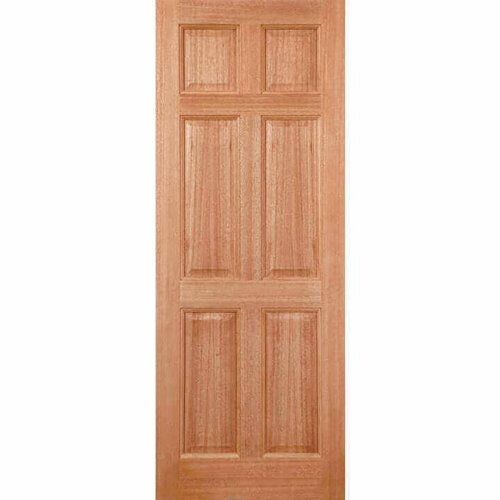
Hardwood Door Frame - 1981mm x 838mm, 29mm x 66mm
Hardwood internal door frame, 1981mm x 838mm
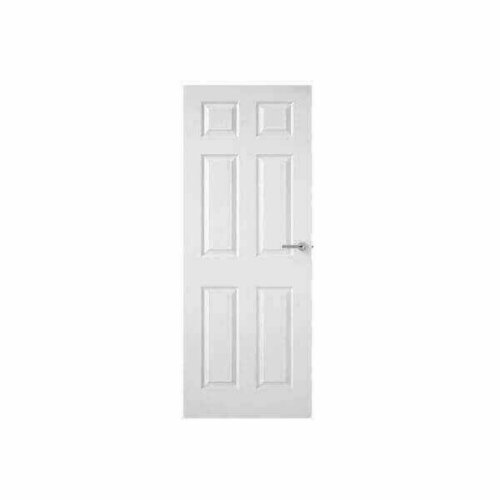
Premdor Moulded 6 Panel Textured Door - 1981mm x 686mm x 35mm
1981 x 686mm internal moulded 6 panel textured door with white base coat
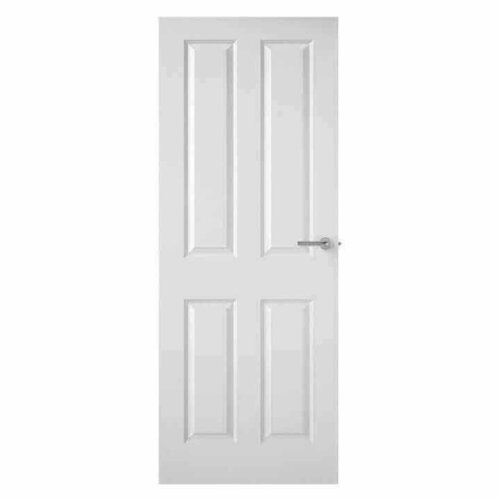
Lightweight Firecheck Door Blank - 2134mm x 914mm x 45mm
Lightweight firecheck door blank, 2134 x 914 x 45mm
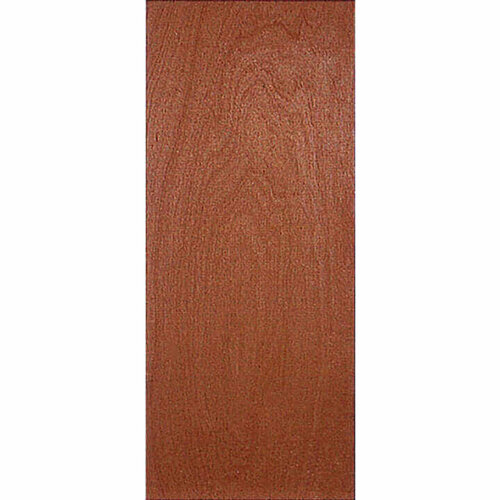
Flush External Plywood Door FD60 - 2032mm x 813mm
Flush external plywood fire door with FD60 rating, 2032 x 813 mm
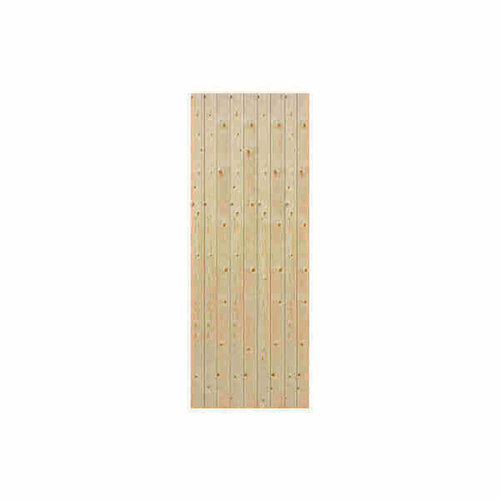
JB Kind Ledged and Braced External Gate/Door - 1981mm x 838mm
Solid softwood ledged and braced external door/gate, 1981x838mm, unfinished
For the Trade
Start with the space you’ve got and how the door will be used. That usually sets the spec before you get into finishes or ironmongery. Tight openings, awkward returns and limited swing room push you one way. Wider runs and a cleaner opening line push you another. That’s why Building & Doors is the sensible place to orient first, then narrow down doors & door fittings from there. Sliding doors and bi-fold doors suit different layouts, but the opening has to work in practice, not just look neat on paper.
Doors
If you’re buying Doors, start with what the opening needs to do and how much room you’ve got. Standard internal leaves are the economical pick for ordinary room-to-room work. [Security doors] are the one you move to when the external side needs more resistance.
[bi-fold doors] and [sliding doors] both help where space is tight, but they do different jobs. Each changes the hardware and the fitting tolerance. Check the frame, the ironmongery, and the seal detail together. That’s where jobs usually get held up.
Garage Doors
For garage work, you’re usually looking at drive width, opening style and how much headroom you’ve got before anything else.
That’s where Garage Doors sit as the narrower buy within doors & door fittings. They suit a different opening and a different set of fittings than ordinary leaves, so you don’t want to force the wrong type into the job. The trade-off is simple - easier access and better use of space against more moving parts, more hardware to get right, and a bit more care on measurement.
Porches
Porches are usually a separate call from the main leaf because you’re dealing with the opening, the weather line and the first impression at the same time. If the job needs a neater threshold and a bit more shelter, Porches are the bit to look at before you settle the rest of the doors & door fittings.
Treating them like a standard door swap is where jobs go off. You can end up short on clearance, or with fittings that do not suit the frame depth. If the opening is tight, or the spec is more about access than cover, another door type may be the cleaner buy.
Sliding Wardrobe Doors
Sliding wardrobe doors come down to three things: opening width, available run, and how much access you need once it’s fitted. They suit jobs where a hinged leaf would take up too much floor space, but they are not the answer if you need the full opening clear at once.
Track quality and panel weight matter as well. A cheap set that drags or jumps is the one that comes back to you.
For lighter internal jobs, they are often the neater pick. If the opening is awkward or you need a wider pass-through, bi-fold doors usually make more sense.
What to Check Before You Buy
What usually decides it is the opening, the duty, and what the rest of the job needs. If the leaf is going to take more abuse, go for the heavier build and the right ironmongery. If it’s a plain internal run, don’t pay for more than the spec calls for.
Sliding doors and bi-fold doors both save space, but they do it differently. A sliding door needs the right run. A bi-fold needs room to stack. If you’re pulling the rest of the package together, Building Supplies is where the fixings, framing and finishing bits usually get sorted at the same time.
Useful Alongside Doors & Door Fittings
Once the main leaf is chosen, the next call is usually the ironmongery and the finish around it. Jobs get held up fast if the lock case, hinges, seals or frame spec do not match the door you have already ordered.
For doors & door fittings, check the opening type first, then the hardware load and the finish you need to keep consistent across the job. A light internal leaf takes different fittings to a heavier external set. Get the mix wrong and you soon see sag, drag, or a call-back.
Related searches
Local availability for Doors & Door Fittings









