Plasterboard
Pick plasterboard by the job first: ordinary lining, a ceiling that needs lighter handling, or a spec that calls for moisture, fire or acoustic performance. Thickness and edge detail matter as much as board type - 12.5mm plasterboard is the usual all-rounder, while 9.5mm suits tighter build-ups. If you are matching existing work, check the format before you load the van. The wrong board usually costs more time than the price difference.
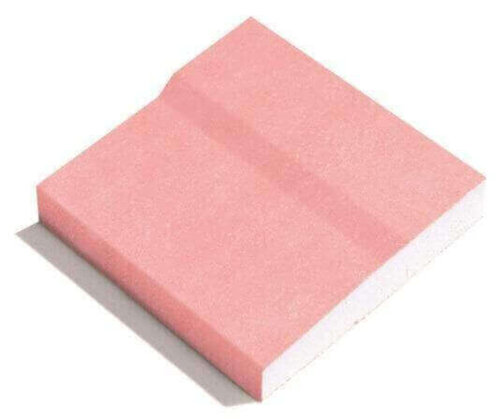
Siniat GTEC Fire Plasterboard Tapered Edge - 12.5mm x 1200mm x 2400mm
12.5mm fire plasterboard, 60min fire rating, tapered edge
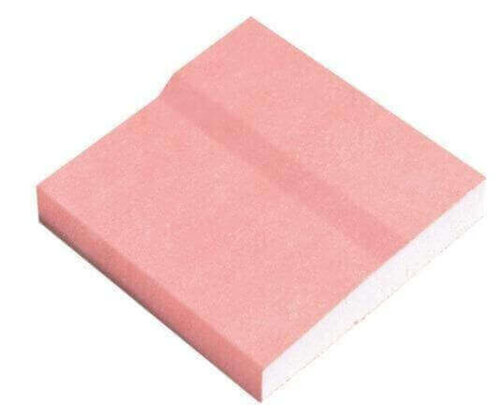
Siniat GTEC Fire Plasterboard Tapered Edge - 900mm x 1800mm x 12.5mm
Fire-rated gypsum plasterboard 12.5mm tapered edge for walls and ceilings
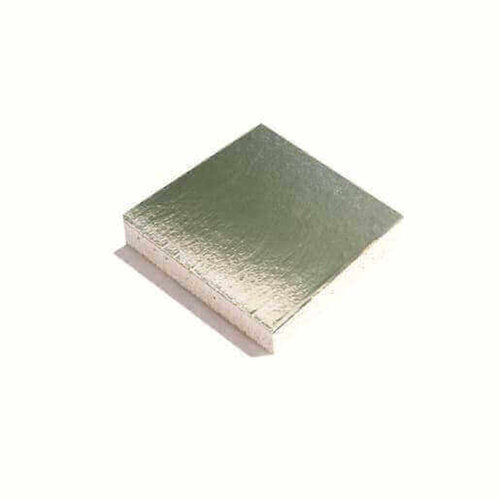
Siniat GTEC DB Plasterboard Tapered Edge - 1200mm x 2400mm x 15mm
15mm GTEC dB acoustic plasterboard, tapered edge, 1200x2400mm
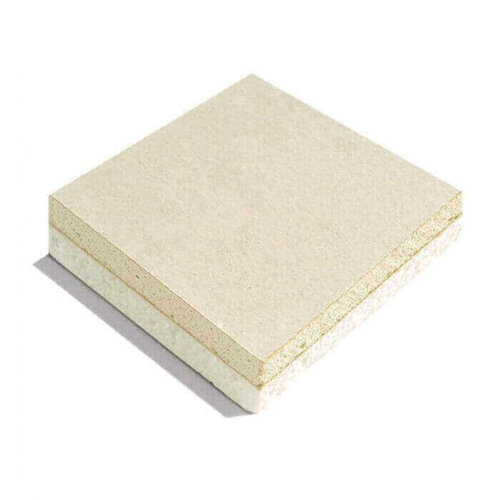
Siniat Thermal EPS Plasterboard Tapered Edge - 1200mm x 2400mm x 30mm
Thermal plasterboard with EPS insulation, tapered edge, 1200 x 2400 x 30mm
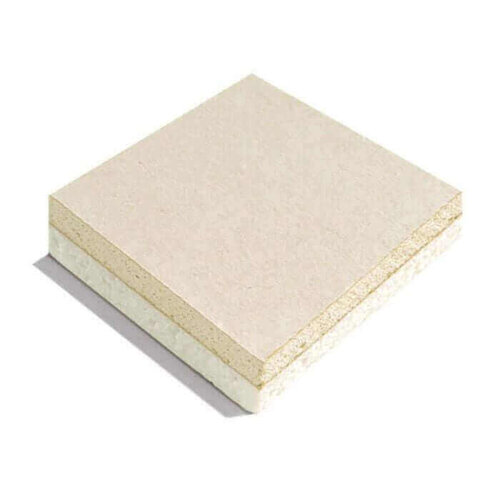
Siniat Thermal EPS Plasterboard Tapered Edge - 1200mm x 2400mm x 50mm
Siniat Thermal EPS plasterboard 1200x2400x50mm for walls and roofs
Knauf Plasterboard Square Edge - 12.5mm x 1800mm x 900mm
Square edge plasterboard, 12.5mm x 1800mm x 900mm, for dry lining and partitions
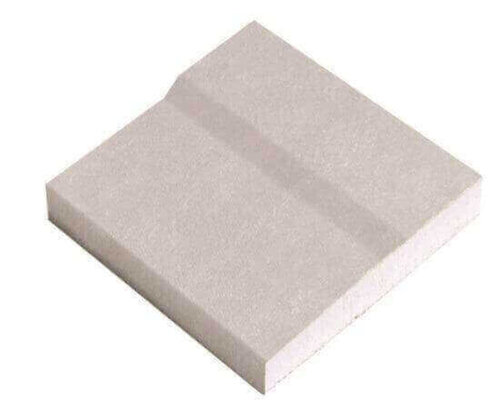
GTEC Standard Plasterboard Tapered Edge - 1200mm x 2400mm x 15mm
15mm tapered edge plasterboard for smooth flush jointing and ceilings
Knauf Plasterboard Square Edge - 9.5mm x 1800mm x 900mm
9.5mm square edge plasterboard for interior walls and ceilings
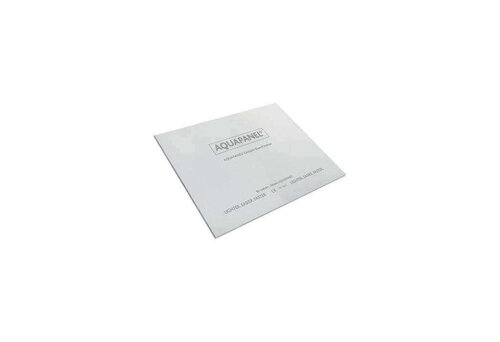
Knauf Plasterboard Square Edge - 12.5mm x 2400mm x 1200mm
Square edge plasterboard, 12.5mm thick, 2400 x 1200mm
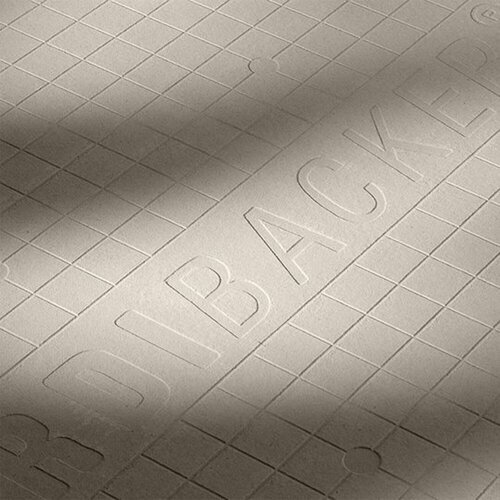
Hardiebacker 250 Tile Backer Cement Board - 1.2m x 800mm x 12mm
Cement tile backer board, 12 millimetres thick, 1200 x 800 millimetres.
For the Trade
What usually decides the order is the spec, the span, and how much handling you can get away with. For a straight lining job, 12.5mm plasterboard is the usual ask because it gives you a familiar finish without overcomplicating the job. If the board has to cover more awkward areas or you’re trying to keep weight down, 9.5mm can make life easier, but you give up some stiffness. Tapered edge suits a taped finish. Square edge is the one you want when the finish is being built another way. The call is simple: buy the board that matches the finish and the load, not the one that just looks like the standard option.
Popular Plasterboard Formats
9.5mm plasterboard comes into play when weight and handling matter more than stiffness. Tapered edge plasterboard suits taped and jointed finishes. Square edge works for other finishes, and it helps you avoid ordering the wrong edge detail.
When the spec changes, moisture resistant plasterboard and fire resistant plasterboard move the order on. Plain board does the job until it does not. If you are working across a mix of jobs, start from Dry Lining and narrow it from there.
Key Differences When Choosing
Start with the spec, not the screw list. If the job needs fire, moisture, acoustic, thermal or vapour control, that decides the plasterboard first. Get that wrong and you are back on site.
9.5mm can make sense where weight and handling matter more than stiffness. Sheet size matters too. Longer runs mean fewer joints, but only if you can get the boards in cleanly.
Get the board right first, then finish details and Plastering can be matched to it.
Next Decisions After Choosing
Once the board’s chosen, the next order is usually fixings and finish - drywall screws, track, tape and jointing compound. Jobs slip when you mix systems or run short on consumables.
A ceiling run with the wrong fixings shows it quickly. Taped joints only come out right when the compound and tape suit the edge detail you’ve bought.
If you’re lining out a frame, sort the track and screw length at the same time. For a straight board finish, make sure the jointing kit matches the finish you need.
Related searches
Local availability for Plasterboard









