Dry Lining
Dry lining comes down to the spec and how much finishing work you want to carry later. Standard board is still the economical pick for ordinary partitions, while fire rated plasterboard, soundproof board and water resistant board come in when the job needs a specific performance. Thickness and edge detail matter too. 12.5mm board is the common call, but tapered edge board or square edge board changes how you finish the joints and what you take on afterwards.
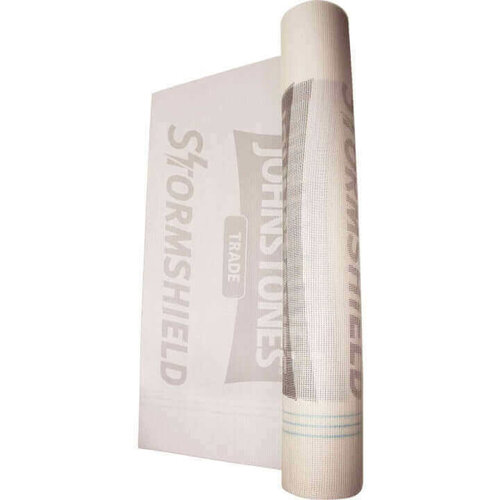
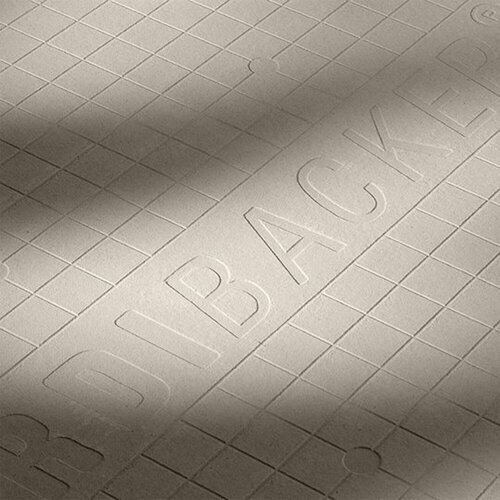
Hardiebacker Tile Backer Cement Board - 1200mm x 800mm x 6mm
HardieBacker 250 cement tile backer board 1200x800x6mm
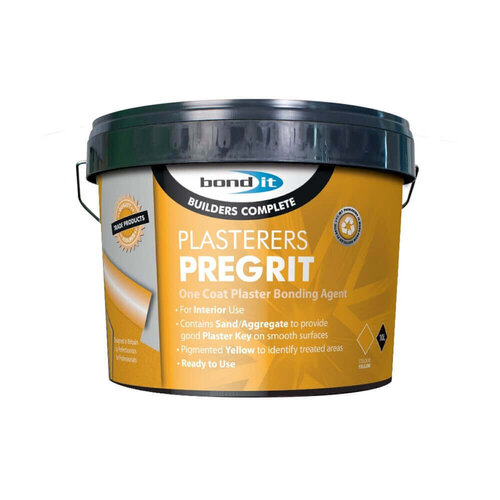
Bond IT Plasterers Pregrit - 10L Yellow
10L PVA/SBR pre-grit bonding agent for plastering work.
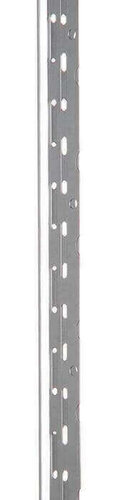
Thincoat Plaster Angle Bead Galvanised - 3mm x 23mm x 2400mm
Galvanised thincoat plaster angle bead, 3x23x2400mm
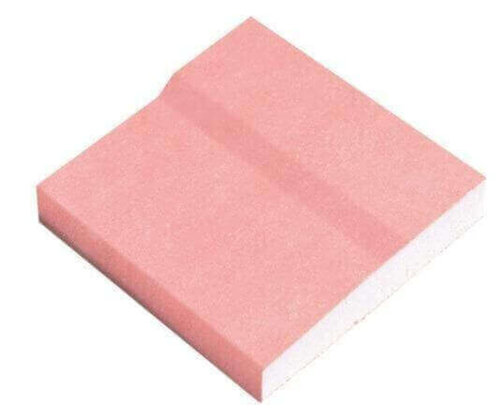
Siniat GTEC Fire Plasterboard Tapered Edge - 900mm x 1800mm x 12.5mm
Fire-rated gypsum plasterboard 12.5mm tapered edge for walls and ceilings
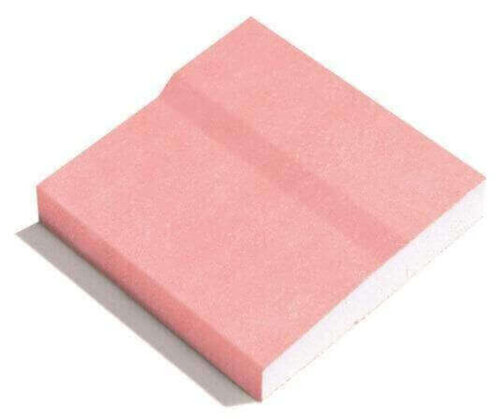
Siniat GTEC Fire Plasterboard Tapered Edge - 12.5mm x 1200mm x 2400mm
12.5mm fire plasterboard, 60min fire rating, tapered edge
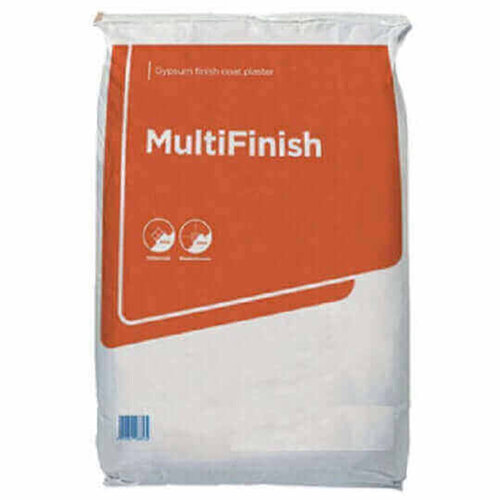
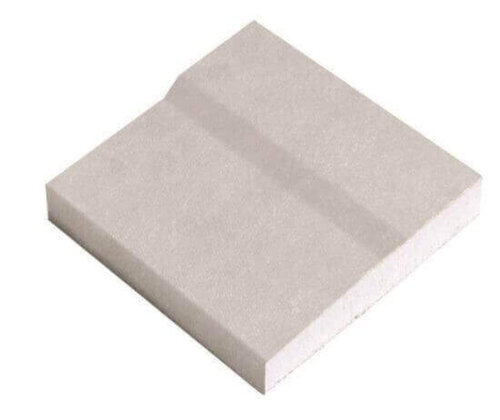
Siniat GTEC Standard Plasterboard Tapered Edge - 9.5mm x 900mm x 1800mm
9.5mm tapered edge plasterboard for partitions, linings and ceilings
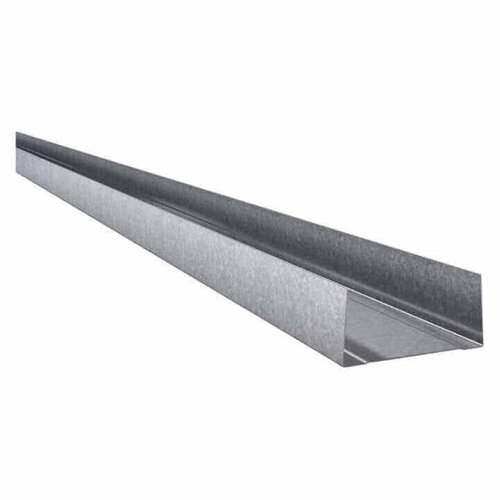
Metal U Track Partition - 72mm x 3m
Metal U track partition for plasterboard systems, 72mm x 3m
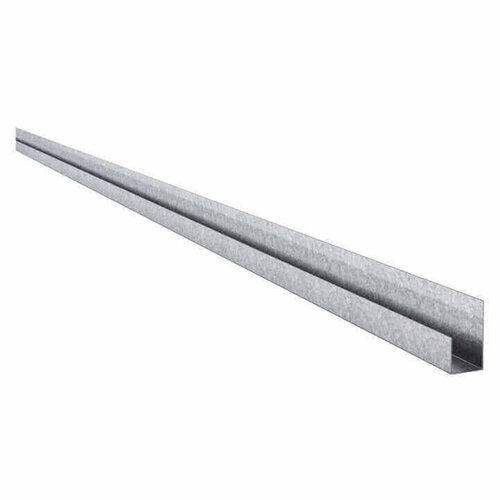
Superior Wall Liner Track GL8 - 3.0m
Wall liner track model GL8 for wall lining systems, 3.0m length.
For the Trade
Start with what the wall or ceiling needs to do, then narrow the board to suit the spec and the space you’ve got. On dry lining jobs, the usual split is between a plain board for straightforward work, a fire rated plasterboard where the spec calls for protection, and a soundproof board or water resistant board when performance matters more than price. Tapered edge board is the one you pick when you want a cleaner jointing finish. Square edge board makes more sense where the finish system is different. 12.5mm board is the common call, but access, weight and the build-up often decide it. If you’re matching the rest of the job, Building & Doors keeps the next choices in the right place.
Metal Studs & Ceilings
For ceilings and framed work, you’re usually weighing up weight, span and the finish you need off the board. Metal Studs & Ceilings is the bit to look at when the structure matters as much as the lining.
5mm board is the usual all-round pick. Thinner sheets are easier to handle, but you give up stiffness. Tapered edge board comes into play when the jointing system matters. Square edge works where the finish is dealt with another way.
Plasterboard
If you’re buying for dry lining, start with what the job needs from the board. That decides whether you stay with a plain sheet or move up to fire, moisture or acoustic performance.
12.5mm board is the common trade pick. Thinner sheets are easier to handle, but they’re less forgiving on a rough substrate.
Edge detail changes the jointing work too. Plasterboard is the narrower buy when you already know the board spec. In practice, it comes down to cost, weight and how much finishing time you want to spend later.
Plastering
For Plastering, you’re usually looking at the jobs where the finish matters more than the board itself - patching, skimming, or taking a surface on to the next stage.
It’s the narrower buy when you do not need to keep changing the board spec to suit the finish.
If the job is mainly about getting a clean surface ready, check this branch first. If the wall still needs a different performance level, stay with the main dry lining choice.
Selection Factors for Dry Lining
Lock the board spec before you start worrying about screws and jointing. Fire, moisture, acoustic, thermal and vapour-control needs usually decide the sheet first, and that choice can change the whole system.
12.5mm board is still the common trade thickness, but thinner or heavier sheets change handling, joint count and fixing centres. Tapered edge board suits taped and filled finishes. Square edge board is the one you reach for when the finish is going another way. If you need the rest of the fixings and consumables to match, Building Supplies is the next stop.
Finish the Room
Once you’ve picked the sheet, the next buy is the parts that hold the system together - the right screws, tracks, tape and jointing compound. Jobs usually go wrong here. Wrong screw length. Wrong bead. Tape that doesn’t suit the finish you need.
If you’re building framed work, the fixings and track need to match the board and the layout. Taped joints need the right accessories from the start. After that, you move into the surrounding finishes, and the order you buy them in matters more than the product name.
Related searches
Local availability for Dry Lining