Door Strips
Door strips usually come down to three things: the floor height at the doorway, how much traffic it will take, and how you want to fix it. A self adhesive door strip is quick on a clean, sound surface. A screw fix door strip suits areas where you do not want lifted edges coming back. Aluminium is the harder-use option, while a wooden door strip is more often chosen to sit with timber finishes.
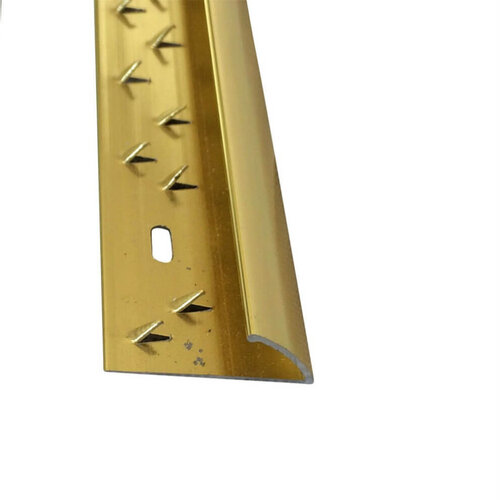
Fast-Pak FTSNG High-Quality Carpet Trim Cover Single Nap - Gold, 1 per Pack
Gold carpet trim cover, 35mm wide, for neat floor joins
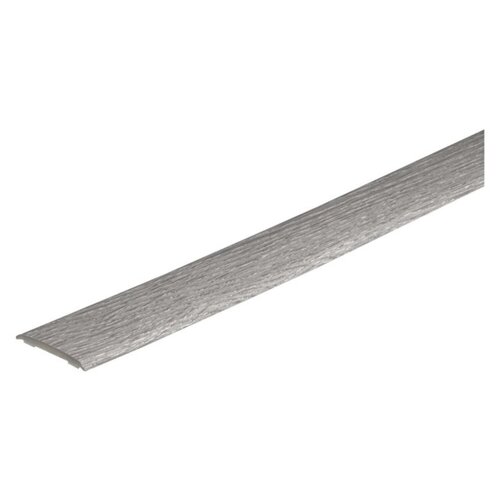
Universal Mouldings Self-Adhesive Waterproof Coverstrip - 38mm x 900mm Silver Oa…
Silver Oak self-adhesive waterproof coverstrip, 38mm x 900mm
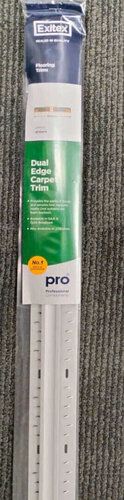
Dual Edge Carpet Trim - 914mm SAA
914mm dual edge carpet trim to prevent finger trapping
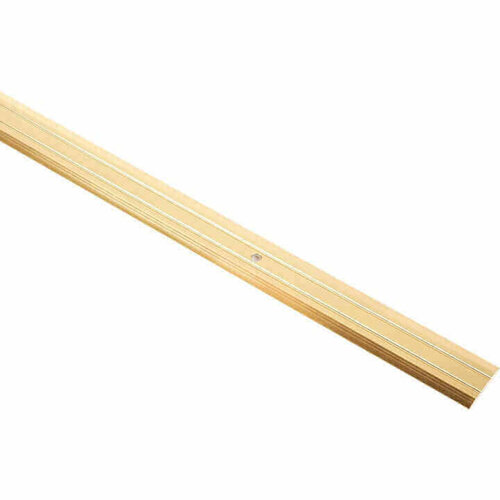
Lino Cover Strip - Gold
Gold lino cover strip, model M207
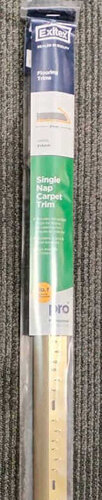
Single Nap Carpet Trim - 914mm GAA
Carpet trim 914mm, prevents finger trapping, includes fixings

Dual Edge Carpet Trim - 914mm Gold
914 mm gold dual edge carpet trim, prevents finger trapping
For the Trade
What matters first is the floor build-up at the doorway and how much wear the strip will take. If the two finishes are close, you want a neat cover that sits cleanly and does not snag. If there is a step or a change in material, you need a profile that handles it without leaving a weak edge. On busy jobs, call-backs usually come from a strip that is too light for the traffic or too short for the opening, so measure the actual gap and the door swing before you pick. For a straight join in a tight space, that points you to a low-profile flooring option; if the layout is awkward or the levels do not match, choose the heavier section that gives you more cover and less movement.
Door Strip Options Compared
For most jobs, you’re choosing between a plain door strip, a door threshold strip, and a self adhesive door strip. A plain door strip suits a straight join where you just want to cover the gap and keep the finish tidy.
A door threshold strip comes into play when the doorway has a change in level or a more exposed transition. It gives you more coverage and a bit more control.
Self adhesive saves fixing time, but it only holds as well as the surface beneath it. If the strip is likely to get knocked, a screw-fixed option is the safer call.
A wooden door strip usually sits better with timber finishes. A floor door strip is more about the shape of the join than the name on the pack. If you’re matching the rest of the job, check the Flooring choice first, because that often decides the profile before anything else.
Choosing Materials and Size
An aluminium door strip suits joins that take plenty of traffic or need a firmer edge. It is harder to cut and handle, but that stiffness is the trade-off.
A uPVC door strip is lighter and quicker to fit. That helps on faster jobs, though it will not hold up as well if it gets knocked about.
If you are matching carpet finishes, Carpet Grippers can shape the decision before the strip itself. Carpet Tiles can also change the width and finish you need.
Completing the Setup
Once the door strips are chosen, the next call is usually what finishes the surrounding run. If the doorway sits in a wider floor change, you may still need matching trims, edging, or a neat stop against the wall line. That is where the job gets judged.
A clean join is only half the story if the adjacent finish is left loose or exposed. On mixed installs, check the carpet edge as well, because carpet grippers and carpet tiles often decide the final line more than the strip itself.
Related searches
Local availability for Door Strips






