Scotia
Scotia covers a small gap cleanly without changing the skirting line. White or primed versions suit jobs where you want a quick paint finish, while wood or oak works better when you need to match an existing timber detail and leave it unpainted.
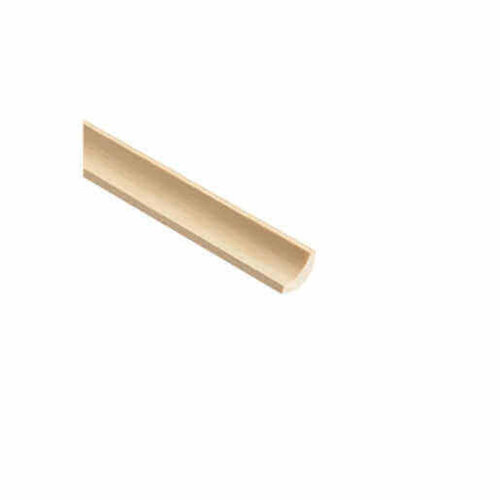
Cheshire Mouldings Scotia Pine - 2400mm x 21mm x 21mm
2400mm x 21mm pine scotia moulding for covering joins and gaps in wooden floorin…
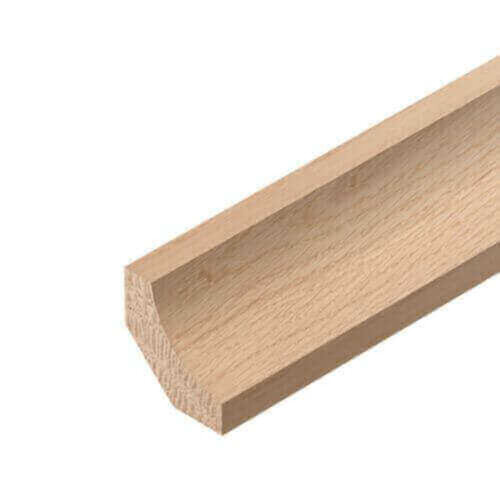
Cheshire Mouldings Scotia Oak - 15mm x 15mm x 2400mm
Pale light oak scotia moulding, 15mm x 15mm x 2400mm, planed
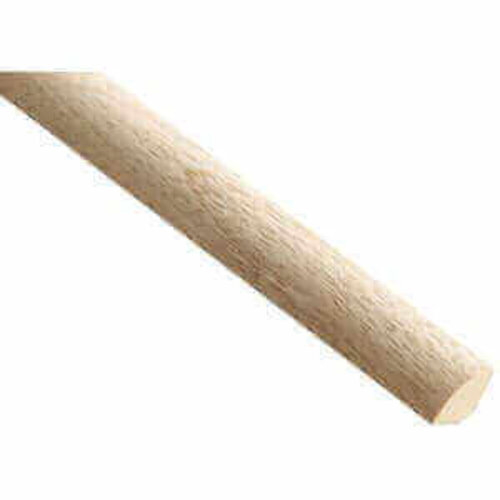
Cheshire Mouldings Light Hardwood Quadrant - 15mm x 15mm x 2400mm
15x15mm hardwood quadrant for covering expansion gaps around flooring
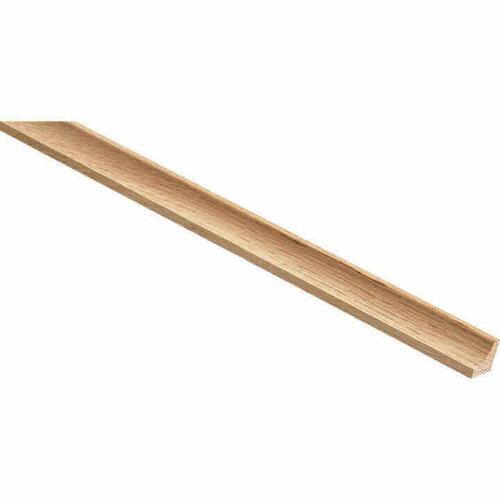
Oak Scotia - 15mm x 15mm x 2.4m FSC
Solid oak scotia moulding, 15x15mm, 2.4m, FSC certified
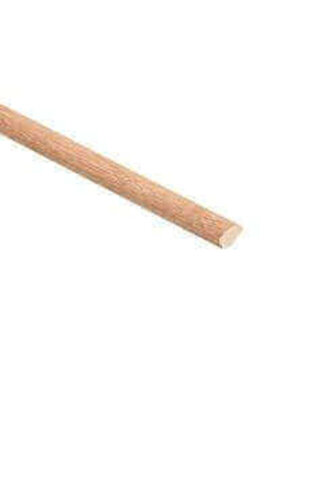
Cheshire Mouldings Quadrant - 12mm x 12mm x 2.4m red hardwood
Red hardwood quadrant 12 x 12 x 2400mm for finishing gaps between floors and wal…
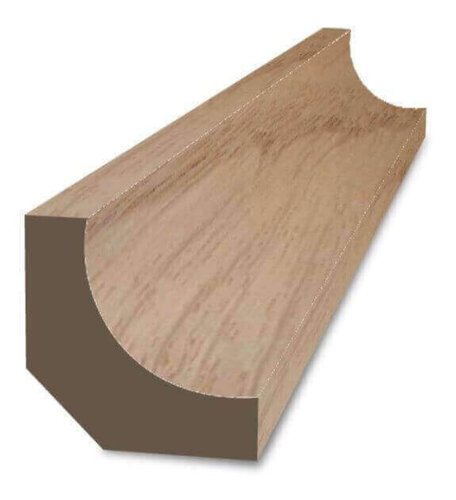
MDF Scotia - 16.5mm x 16.5mm x 2400mm Oak
MDF scotia moulding in oak finish for covering expansion gaps on laminate and wo…
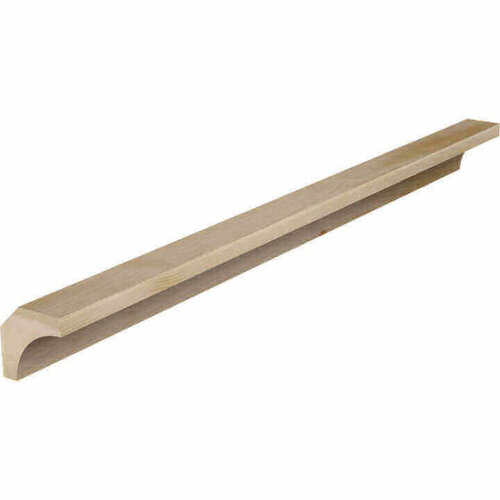
Scotia - 18mm x 18mm 2.4m Pine
18mm x 18mm pine scotia moulding, 2.4m length, PEFC certified
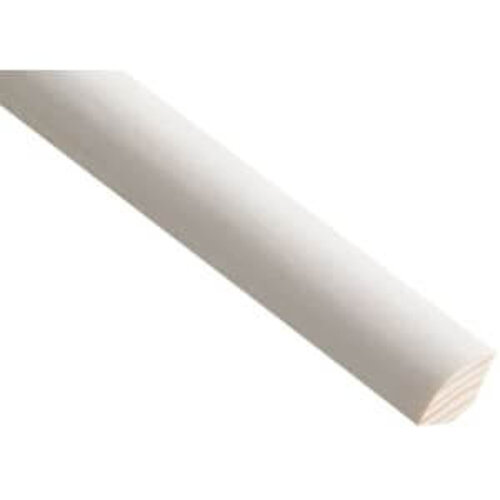
Primed Quadrant Moulding 21 x 21 x 2400mm - White
21 x 21mm primed quadrant moulding, 2400mm length, white
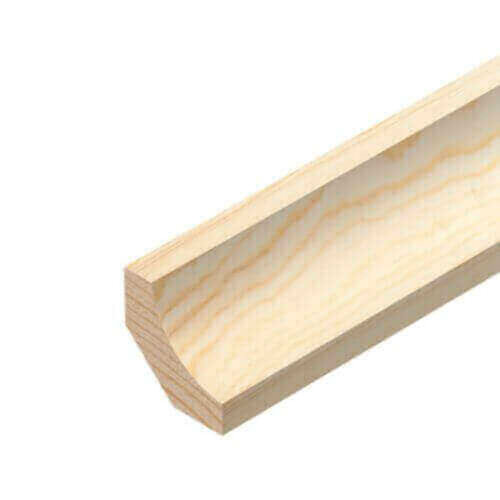
Cheshire Mouldings Scotia Pine - 15mm x 15mm x 2400mm
Pine scotia moulding, 15mm x 15mm x 2400mm
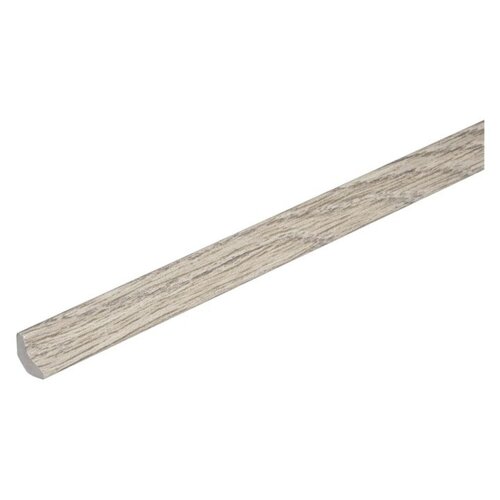
Universal Mouldings Self-Adhesive Waterproof Scotia - 16mm x 2.4m Canyon Oak
Canyon Oak self-adhesive waterproof scotia, 16mm x 2.4m
For the Trade
Start with the gap, the skirting profile and how much room you have to work with. On tight corners or uneven walls, a more forgiving section saves you fettling; on long straight runs, a cleaner timber match usually matters more. If you need to turn the job quickly, primed or painted scotia gets you to finish faster. When the trim will take knocks or sit in a busier area, wood or oak is the safer pick, while MDF suits straightforward internal work where cost matters more than durability.
Types of Scotia
Scotia trim is the usual pick when you want a neat finish against skirting without making the detail look heavy. Scotia moulding and scotia moulding trim suit jobs where the profile needs to read more like a proper moulding. Scotia beading is the lighter option when you just want to tidy the edge and keep the line discreet.
MDF scotia is the one many fitters reach for on straightforward internal work because it’s easy to finish. Wood scotia or oak scotia make more sense when you’re matching existing timber and don’t want the trim to look out of place. If you’re comparing it with the rest of the Flooring range, the main question is how much the finish needs to stand out once the job’s done.
Selection Factors for Scotia
MDF scotia is the usual pick for straightforward internal work. It takes paint well, and it keeps the job moving. It is less forgiving where moisture is a risk or the trim is likely to get knocked.
Wood scotia gives you a tougher face and a better match where timber is already in play. You will pay more for it, and that shows on longer runs. If you need to paint it out quickly, primed scotia saves a step. If you want the grain left visible, oak scotia is the one people ask for.
For carpet edges, you may be better looking at Carpet Grippers or Carpet Tiles instead, because the trim choice changes once the floor covering changes.
Finish the Room
Once you’ve picked the scotia, the next call is what else still needs finishing in the room. On laminate and vinyl jobs, you’re usually dealing with the wall edge first, then the break at the doorway, so scotia, door strips and thresholds need to sit together cleanly.
On carpet work, carpet grippers come first, then the trim that tidies the perimeter. If the room has a visible timber finish, oak scotia keeps the detail consistent. For plain internal work, primed or white scotia is the quicker pick when paint is going on anyway.
Related searches
Local availability for Scotia







