Thresholds
Thresholds come down to the gap you’re covering and the height you’ve got to work with. A low-profile threshold suits a tight finish where you want to keep the transition flat, while a wider threshold bar or threshold plate gives you more tolerance across uneven joins and mixed floor levels. Aluminium thresholds suit a clean, hard-wearing finish. Wooden thresholds are the better fit where you want to match timber.
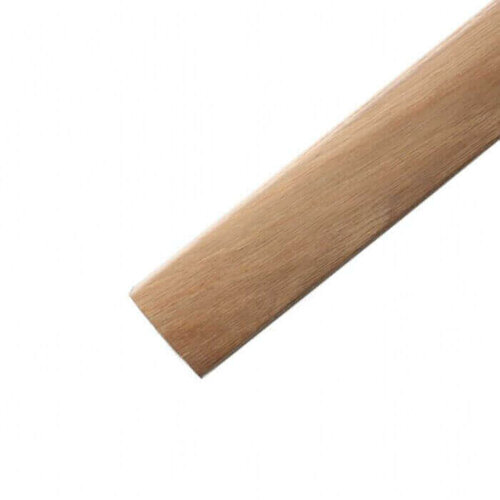
Frontier Wood WE 18 Floor Profile End Cap Oak - 18mm x 990mm
Oak floor profile end cap for covering expansion gaps
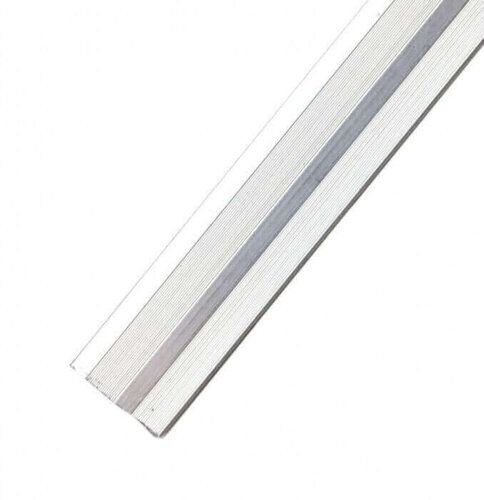
Parallel Frontier Lite LE 12 Floor Profile End 990mm - Parallel frontier lite LE 12 floor profile end aluminium 990mm
Aluminium floor profile end, 990mm length, from the Parallel Frontier Lite range
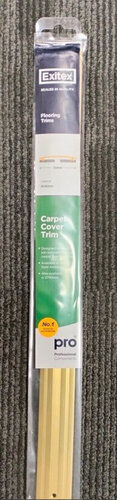
Exitex Carpet Cover Trim - 914mm Gold anodised
914mm carpet cover trim with gold anodised finish for smooth door transitions
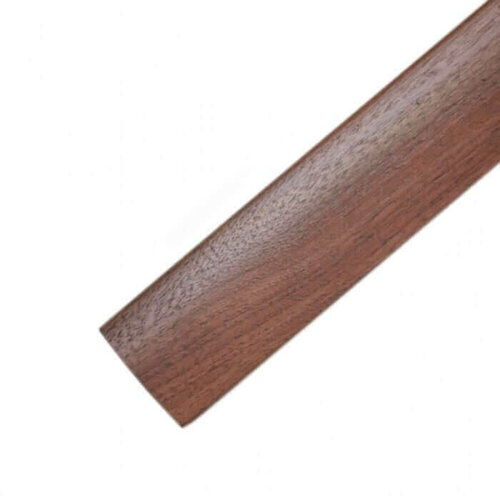
Parallel Frontier Wood Floor Profile - 18mm x 990mm Twin Walnut
Hardwood floor profile for covering expansion gaps around rooms and door thresho…
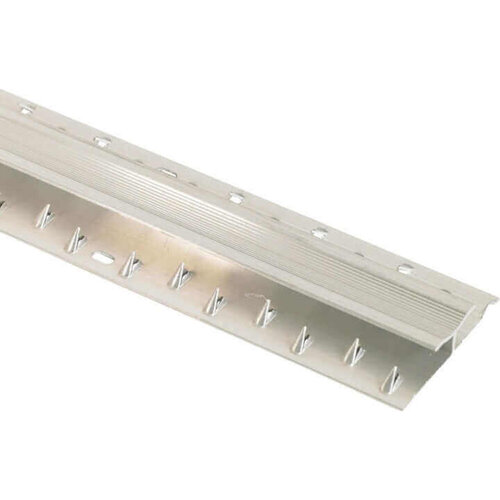
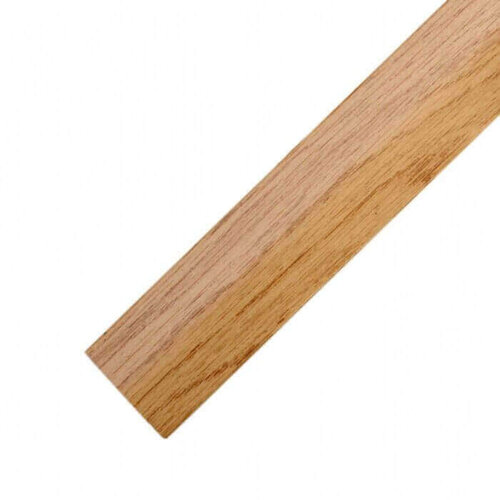
Parallel Frontier Natural NT 12 503 Floor Profile - 990mm Twin Oak
Twin Oak aluminium floor profile for laminate expansion gaps, 990mm length
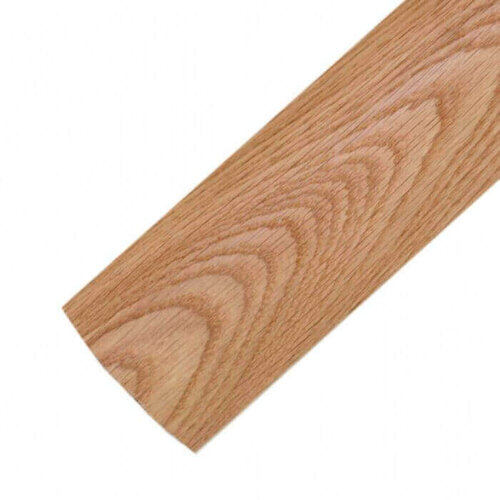
Parallel Frontier Wood WR 22 Floor Profile Ramp 22 x 990mm - Parallel frontier wood WR 22 floor profile ramp Oak 22 x 990mm
Pre-finished oak floor profile ramp for wood and parquet flooring
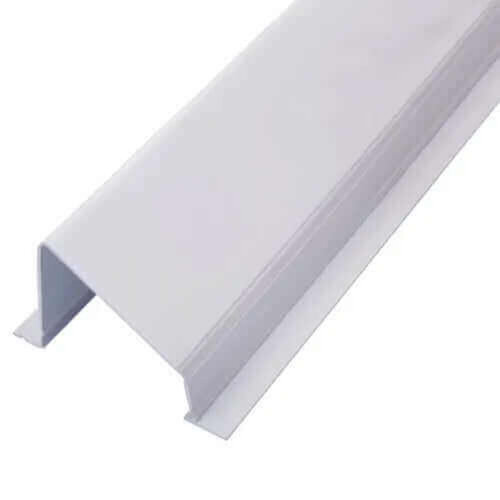
Narrow Vinyl Cover Trim - 914mm
Narrow vinyl trim (914mm) prevents finger trapping, fits most doors
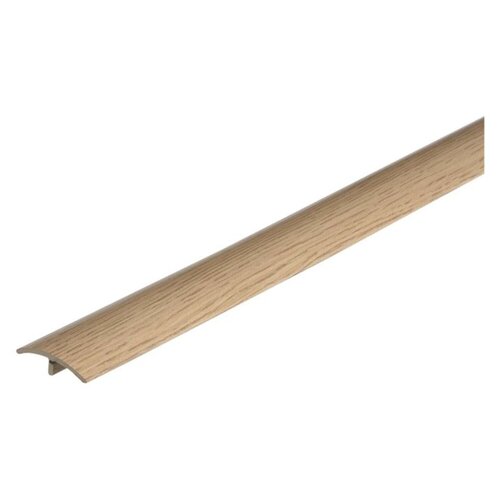
Universal Mouldings Self-Adhesive Waterproof Adjustable Doorplate - 38mm x 900mm Farmhouse Oak
Farmhouse Oak self-adhesive waterproof adjustable doorplate, 38mm x 900mm
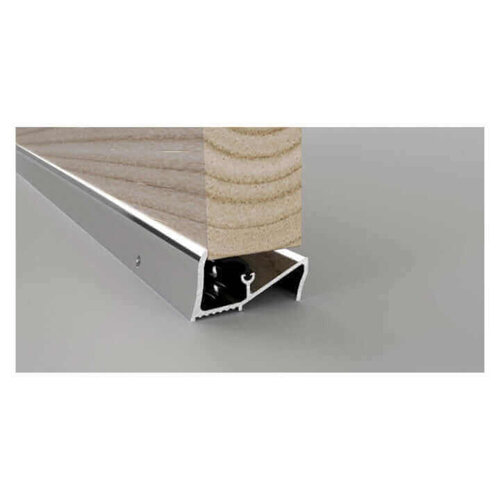
Stormguard Lowline Threshold - 914mm Aluminium
914mm aluminium lowline door threshold with rubber seal
For the Trade
Start with the floor build-up and the finish either side, because that usually decides the thresholds before anything else. A clean, even join can take a slimmer profile and keep the change neat. If the levels are off or the gap is awkward, you need more body and a bit more tolerance. Aluminium thresholds are the usual call where the strip will take knocks. Wooden thresholds still get picked when you want to stay with timber. The jobs that come back are the ones where the profile was chosen for looks first and the join second.
Popular Threshold Formats
The first split is usually between a slim threshold strip and a fuller door threshold. Go slim when you’ve got a clean junction and only need to finish the join without adding bulk. Go wider when the gap, height change or edge condition needs more cover. That’s where the call-backs usually come from.
Wooden thresholds still suit jobs where you want them to sit with timber floors. Metal thresholds are the better shout on busier doorways or where the edge takes more wear. Heavy duty thresholds handle rougher work, but you give up a bit of finesse. If you’re matching the rest of the Flooring scheme, keep the finish and profile in mind before you order.
Key Differences When Choosing
Material choice usually settles it. Aluminium thresholds suit a firmer face and less fuss with wear. They can still dent if they take a hard knock.
Upvc thresholds are lighter and easier to handle. That helps when you’re working to a tight programme or carrying pieces upstairs. They are not the same answer for a busy doorway.
If you need a timber finish, wooden thresholds still get picked for the look. They need more care, and they give you less room for error if the join is off.
If the job also needs carpet work, Carpet Grippers and Carpet Tiles are the next checks. The edge detail changes what threshold you can use.
Next Decisions After Choosing
Once the threshold’s picked, the next call is what it has to sit against. If you’re finishing a timber floor, matching skirting or scotia keeps the edge clean. With carpet, the trim needs to sit with the gripper line and leave no loose edge.
On mixed-floor jobs, check the adjoining finish before you order. A neat threshold can still look wrong if the height or colour is off. That’s where the rest of the flooring trim range earns its keep. It stops a return visit.
Related searches
Local availability for Thresholds







