Underlay
Underlay comes down to what’s above it and what the job needs from the floor. For carpet, you’re usually looking at comfort and recovery. For laminate or wood, the bigger call is often noise, moisture protection and how much height you can afford to lose. Foam underlay is the lighter, cheaper option. Rubber or acoustic grades are generally picked where you need more deadening and a firmer feel underfoot. If the spec is tight, the wrong underlay is the bit that gets noticed later.
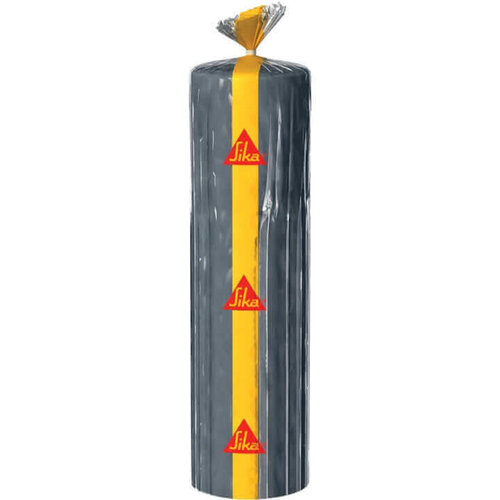
Sika Silent Layer Mat 03 - For use with T53 adhesive
Silent layer underlay mat for use with Sika T53 adhesive.
For the Trade
The first question is what the floor needs to do, because that sets the spec before you get into brand or thickness. If the room is a straightforward fit with even subfloor and normal traffic, foam underlay is usually the economical call and it is easy to handle in quantity. Where the layout is broken up, the run is long, or the brief is tighter on noise, rubber or acoustic grades are the ones you move to, but you give up a bit on price and sometimes on ease of cutting. On a busy job, the wrong underlay is the bit that gets noticed later, not the top layer.
Popular Underlay Formats
For most jobs, you narrow underlay by what’s going over it and how much give you want back. Carpet underlay is the softer pick when comfort and recovery matter. Laminate underlay gives you a flatter, firmer base under a floating floor.
Foam underlay is the common all-rounder for straightforward work. It won’t suit every spec, especially where you need more noise control or a heavier feel. Acoustic underlay and thermal underlay come in when the brief is about sound or heat rather than cushioning.
Underlay rolls are easier on larger runs because you’re not dealing with as many joins. On Flooring, that’s usually how you cut it down fast.
Key Differences When Choosing
Material is where you narrow it down. If you want a lighter sheet that’s easy to handle and trim, foam underlay usually keeps the job moving. It’s softer underfoot, but it won’t give you the same dense support as rubber.
Rubber underlay suits jobs that need more weight, better recovery and usually better sound control. The trade-off is simple: it’s heavier to carry and costs more.
Wood floor underlay is usually the pick when you need a flatter base and a bit more separation from the subfloor. If the job also needs matching trims or a carpet finish, Carpet Grippers and Carpet Tiles are the next decisions, not the underlay itself.
Next Decisions After Choosing
Once you’ve picked the underlay, the next call is what finishes the edges and what goes back on top. If it’s carpet, you’ll usually need carpet grippers and door strips so the perimeter and threshold are sorted properly.
For a floating floor, the job often moves on to scotia or skirting board to cover the expansion gap cleanly. On vinyl or tile work, the edge detail matters just as much. A tidy finish keeps the install settled and avoids comeback later.
If you’re short on the right kit for the rest of the run, flooring tools are worth sorting at the same time.
Related searches
Local availability for Underlay





