Flooring
Flooring usually comes down to three things: how hard the room will be worked, how much movement you can tolerate in the build-up, and what finish the rest of the job needs to land on. If you want a quicker fit and fewer joints, look at products that handle well in longer runs. If the spec is tighter on appearance or wear, you’ll lean the other way. The call is rarely about the material name alone. It’s about handling, finish, and what you’re prepared to give up to keep the job moving.
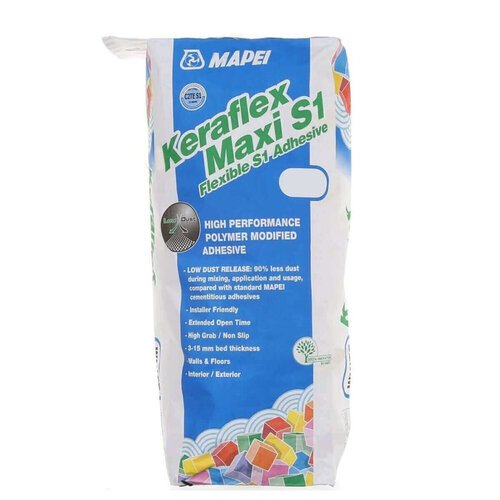
Mapei Keraflex Maxi - 20kg white
Flexible white tile adhesive for ceramic, porcelain and natural stone, interior …
QA Flooring Solutions Underlay Comfort Standard Foam - 2mm x 1m x 15m 15m² White
2mm recyclable foam underlay, 15m² roll, white
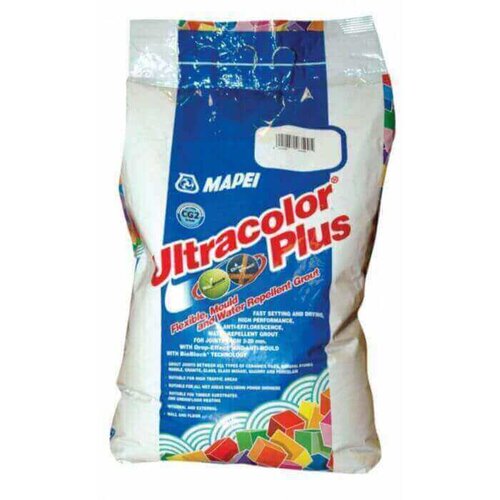
Mapei Ultracolor Plus Grout - 2kg 100 White
Fast-setting polymer modified grout for 2-20mm joints in white
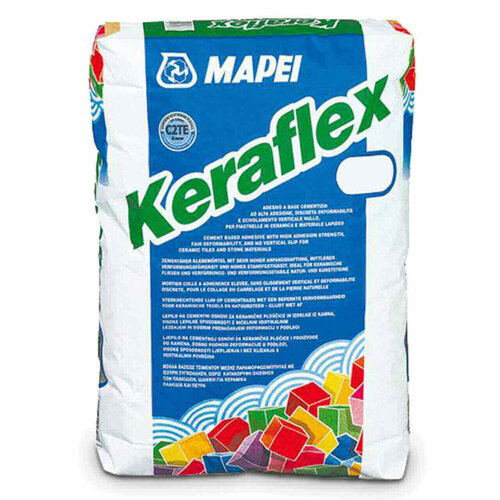
MAPEI Tile Adhesive KERAFLEX MAXI Flexible S1 - 20kg White
Mapei flexible S1 tile adhesive 20kg white
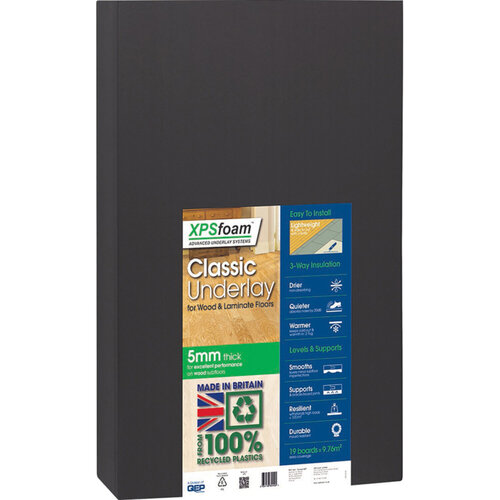
Vitrex Premier Underlay Board - 5mm x 9.75m² 19 Pack
Vitrex underlay board, 5mm thick, 9.75m² cover, 19-pack
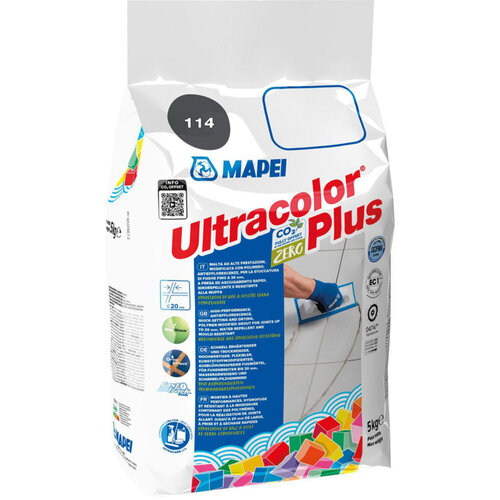
Mapei Ultracolor Plus Grout - 5kg 114 Anthracite
Fast-setting, water-repellent grout for 2-20mm joints, anthracite, 5kg.
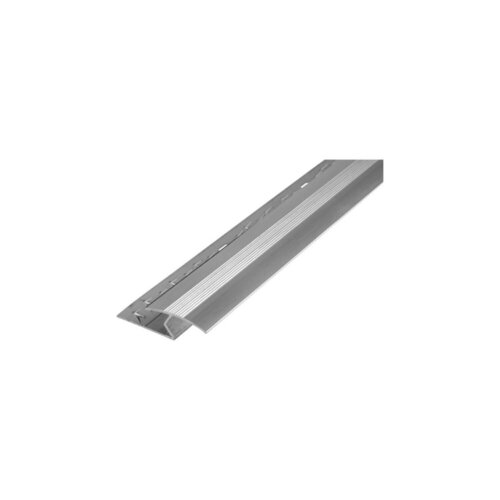
Laminate to Carpet Joiner - Silver
900 mm silver laminate-to-carpet joiner, adjustable height, grips carpet.
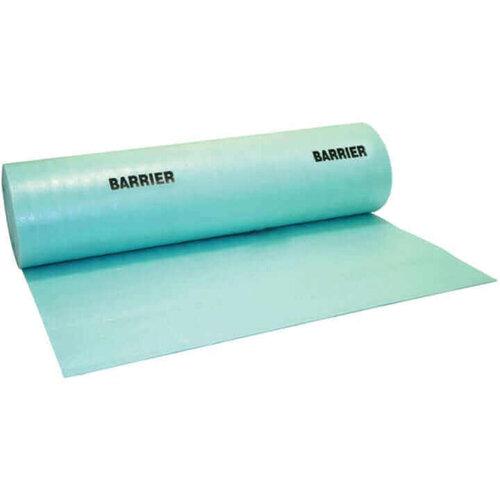
Vapour Barrier Foam Underlay - 3mm 15m² Green
3mm vapour barrier foam underlay, green, 15m² coverage
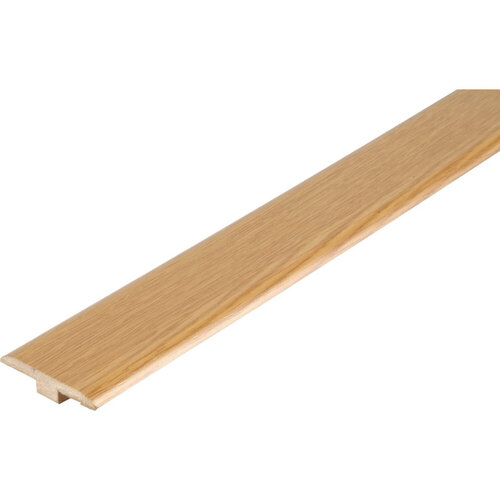
Laminate Threshold T-Bar - Oak
Oak laminate threshold T-bar, 0.9 m length, joins floors of similar height, incl…
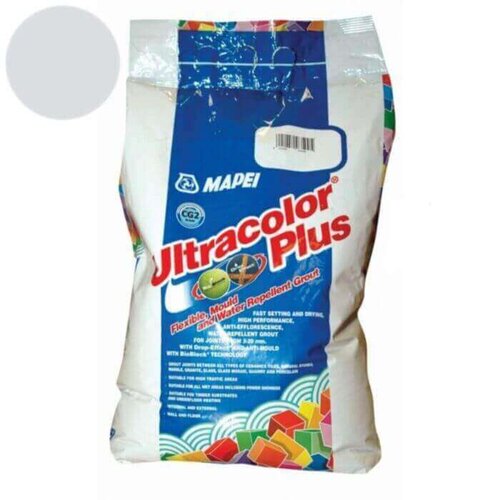
Mapei Ultracolor Plus Grout - 110 Manhattan 2kg
Fast-setting, polymer-modified grout in Manhattan for 2-20mm joints.
For the Trade
Start with the space you’ve got and how the floor will be used. Tight rooms, awkward cuts and heavy traffic usually push you one way. A bigger open run gives you more room to choose on finish and budget. If you’re matching into existing work, Building & Doors keeps you aligned with the rest of the job. A sheet that shifts or a finish that marks too easily is what gets called back, so handling and wear come before the look.
Carpet Grippers
If you need a cleaner edge at the perimeter, Carpet Grippers are the narrower buy in this range. The main floor finish sits elsewhere.
The trade-off is simple. Spend more on the visible finish and you usually have less to hide later, but you may give up some speed or ease of handling.
Carpet Tiles
Carpet tiles make sense when you need flooring you can replace in sections and keep on top of between jobs. They suit offices, corridors and other areas where one damaged tile is easier to swap than lifting a full run.
You do give up the cleaner, more continuous look you get from sheet or plank products. Pattern choice matters too, because poor layout shows up fast. If the job needs a more conventional perimeter finish, keep Carpet Tiles in mind alongside the trims and edge details you’re using.
Door Strips
Most of the time, you choose by the edge finish you need and how much movement the doorway has to take. Door Strips give a clean join where two floor finishes meet, instead of leaving a raw cut or trying to force skirting to do the job.
They keep the transition neat, and a poor match shows straight away. Use them when the floor levels are close. If the height change is larger, you will usually need a different profile.
Floorboards
Floorboards are the pick when you need a timber deck, not a finished surface straight out of the box. You’re usually looking at board thickness, span, and how much movement you can live with. That decides whether the floor feels solid or starts creaking later.
They suit jobs where the structure matters as much as the finish. They also make sense when you want something you can work with, sand, or match into existing timber. The trade-off is the extra finishing work, so they’re not the quick answer for every job.
Flooring Tools
When you’re choosing flooring tools, start with what the job needs most - speed, control, or a cleaner edge finish. A decent cutter or fitting tool saves time on repeat work. The wrong one usually shows up as chipped edges, poor cuts, or extra fettling at the end.
If you’re working with flooring sheets or long runs, pick tools that keep cuts straight and consistent. For smaller jobs or awkward rooms, handling matters more than brute force. It’s the sort of kit you only notice when it’s missing, and that’s when the job starts dragging.
Flooring Vinyl
Vinyl usually gets the nod when you want a floor that goes down quickly, stays consistent across a run, and asks less of the budget than wood. The choice is usually between sheet and plank formats. Flooring sheets suit bigger areas where you want fewer joins. Planks are easier to work around awkward rooms and local repairs.
You give up some of the feel you get from hardwood flooring, but you also avoid the extra handling and cost that come with it. On jobs where the finish has to go down cleanly and stay practical, that trade-off is often the point.
Key Differences When Choosing
For most jobs, it comes down to wear, movement and how much prep you have to work with.
If you need a more stable timber feel, engineered wood flooring is the one to look at. It handles changes better than solid boards, but you do pay for that construction.
If the spec is straightforward and cost matters more, softer timber options can still make sense. They are less forgiving in busy areas.
If you are building out the rest of the job, keep Building Supplies in mind so you are not short on the bits that hold the floor together.
Next Decisions After Choosing
Once the flooring’s chosen, the next call is usually what finishes the edges and the surrounding work. That means skirting or scotia where you need to cover the expansion gap cleanly, thresholds where the floor changes, and the right trims if the finish runs into another surface.
On a lot of jobs, the snag comes from leaving those bits until last and finding the profile doesn’t suit the height or the existing line. If the room’s being refreshed rather than stripped back, matching the finish to what’s already there usually saves you a return visit.
Related searches
Local availability for Flooring












