Wall Tiles
Wall tiles usually come down to where they’re going and how much cutting you want to do. For a shower or splashback, smaller formats and mosaics give you more control around falls, trims and awkward corners. Larger wall tiles speed up open runs if the walls are decent and you want fewer joints. Ceramic is often the economical pick for straightforward areas. Porcelain gives you a harder face and less fuss with moisture. In tight rooms, big tiles can look cleaner, but they show out-of-plumb walls quicker, and that’s where the call-backs start.
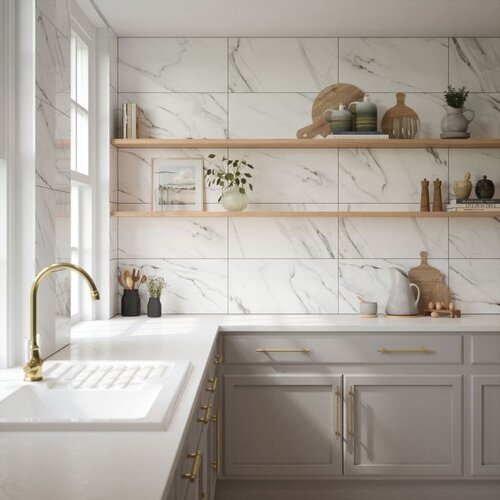
Wetherby Matt Ceramic Wall - 300mm x 600mm Pack of 8
Marble-effect matt ceramic wall tiles, 300 x 600 millimetres, pack of 8
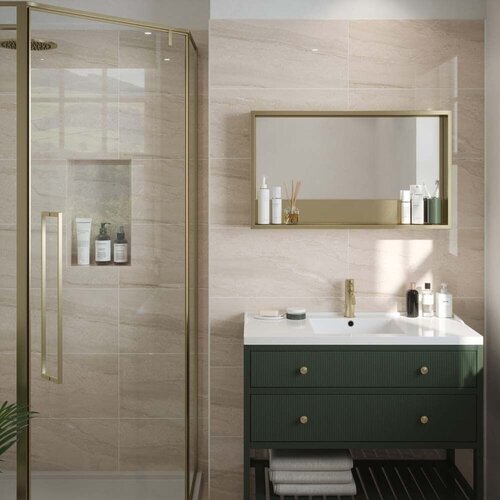
Ledston Beige Gloss Ceramic Wall - 300mm x 600mm Pack of 8
Beige gloss ceramic wall tile, 300mm x 600mm, pack of 8.
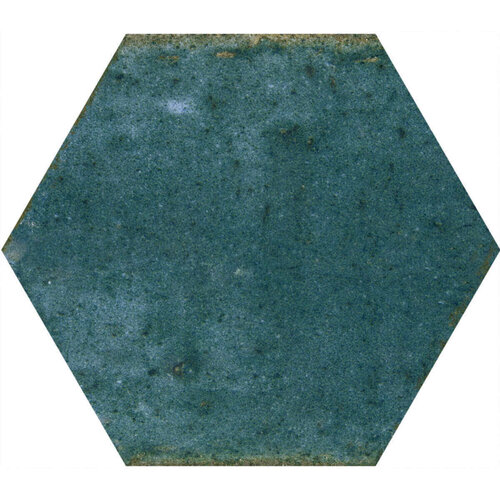
Verona Hope Hexagon Gloss Ceramic Wall Tile - 150mm x 173mm Blue 44 Pack
Blue gloss hexagon ceramic wall tile, 150 × 173 mm, 44 pack, rustic distressed l…
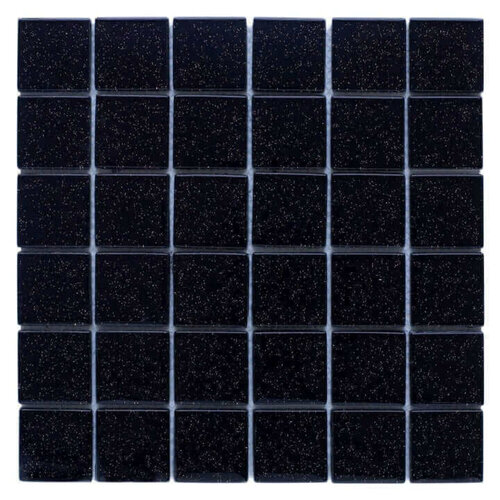
Galaxy Glass Mosaic Tile - 300 x 300mm sheet, 48 x 48mm Black
Black glass mosaic tile sheet, 300x300mm, individual tile 48mm
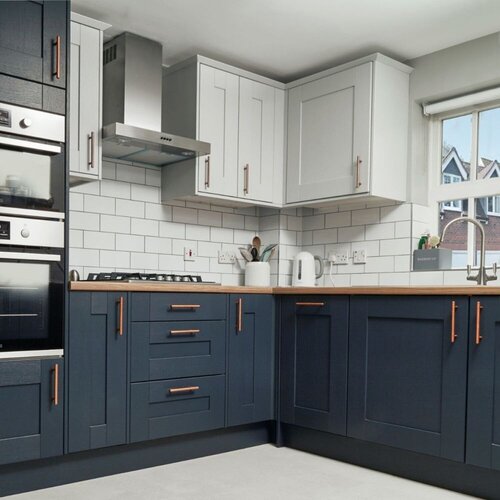
City Ceramic Tile - 100 x 300mm White 34 Pack
White ceramic wall tile, 100x300mm, pack of 34, for a classic bathroom look.
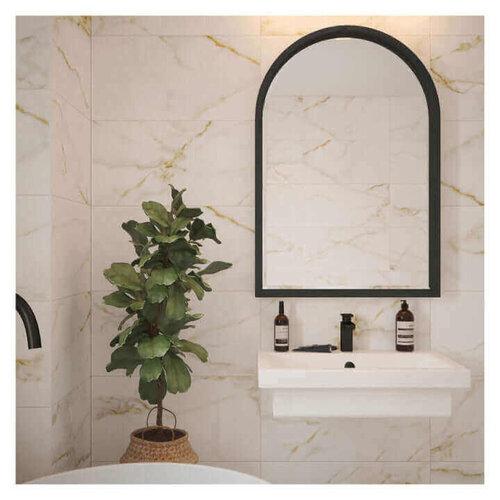
Wiltshire Glazed Ceramic Tile Gold Marble - 300mm x 600mm 8 Pack
Glazed ceramic wall tile, Gold Marble, 300mm x 600mm, pack of 8
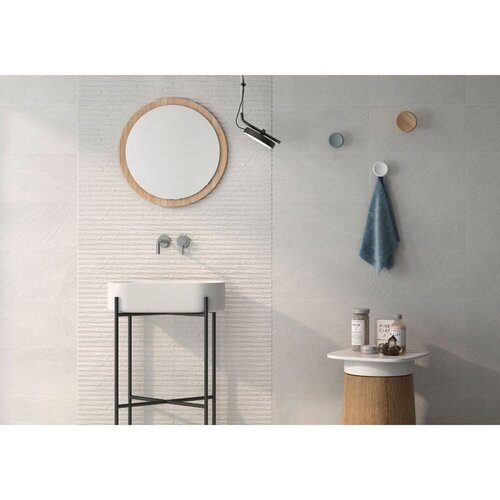
Grassington Lined Moon Matt Ceramic Wall Tile - 30mm x 60mm x 0.85mm 8 Pack
Matt ceramic wall tile in a versatile moon shade, 30x60mm, pack of 8.
For the Trade
Start with where the job is and how much movement you’ve got around the room, then decide how much cutting you want to take on. Wall tiles for a busy kitchen run are usually chosen differently from bathroom wall tiles because splash, cleaning and the amount of trim all change the spec. If the client wants a cleaner finish with fewer joints, you’ll lean one way. If the wall is awkward or heavily broken up, a smaller format can save grief at the edges. The call is usually about keeping the layout sensible and avoiding a sheet that turns into a cutting job all day.
Wall Tile Types and Layouts
Gloss wall tiles suit jobs where you want a brighter face and an easy wipe-down. They’ll show uneven setting and poor prep quicker than a flatter finish.
Matt wall tiles are the steadier pick when you want less reflection and a bit more forgiveness on the eye. The trade-off is they can look heavier in a tight room.
White wall tiles stay the clean, neutral call when you don’t want the tile fighting the rest of the spec. Grey wall tiles work when the client wants something softer than white without moving into a feature look.
Keep Tiling in view and narrow it from there.
What to Check Before You Buy
For most jobs, you’re weighing two things first: how the material handles in your hands and how it behaves once it’s up. Ceramic wall tiles are usually the easier lift and kinder when you’re working through a lot of cuts. Porcelain wall tiles are the firmer, denser option when the spec needs a tougher face.
The trade-off is simple - porcelain can be less forgiving to cut, so if you’re already planning a lot of trimming, factor in the time and use the right Tile Saws. Size matters too. Large wall tiles reduce joints on open runs, but small wall tiles are often the safer call where the space is tight or the walls are broken up. If the job also includes Floor Tiles, keep the wall choice separate - what works on the wall doesn’t always suit the floor.
Useful Alongside Wall Tiles
Once the wall tiles are picked, the next call is what finishes the rest of the room without creating extra chasing later. In a bathroom, that usually means deciding if the shower area needs panels or a screen, and whether the waste and storage need sorting at the same time so you’re not backfilling around finished tiling.
In kitchens, the question is often whether the run stops at a splashback or carries into a fuller wall finish. Keep an eye on the adjacent bits as well. A clean tile job can still look off if the trims, seals and fittings are left to the end.
Related searches
Local availability for Wall Tiles




