Tiling
The main choice is usually between body, finish and handling. Porcelain tiles suit jobs that need a tougher face, while ceramic tiles are often the more economical option where the spec is lighter. Gloss tiles give a sharper finish but show marks sooner. Matt tiles are less fussy underfoot. Large format tiles reduce the joints, but only if the substrate and access make sense. Decorative tiles and textured tiles earn their place when the look or grip matters more than speed.
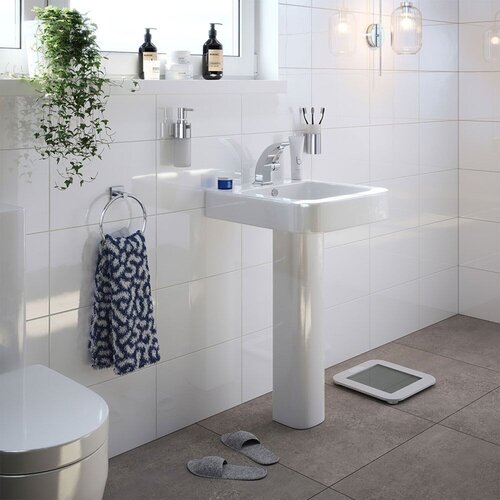
Verona Ceramic Wall Tile - 300mm x 600mm Glossy White 8 Pack
Ceramic wall tile 300x600mm glossy white, pack of 8
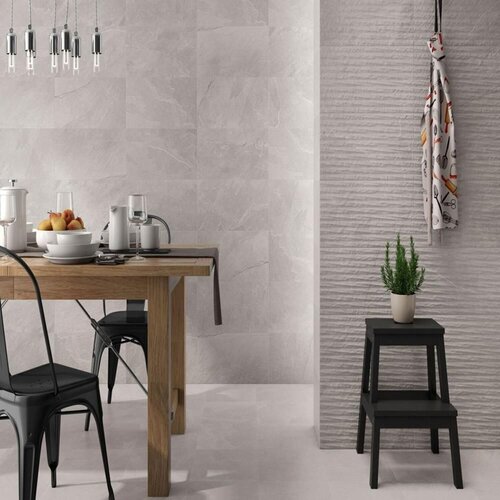
Grassington Smoke Matt Ceramic Wall Tile - 300mm x 600mm x 8.5mm Pack of 9
Smoke matt ceramic wall tile, 300x600x8.5mm, pack of 9
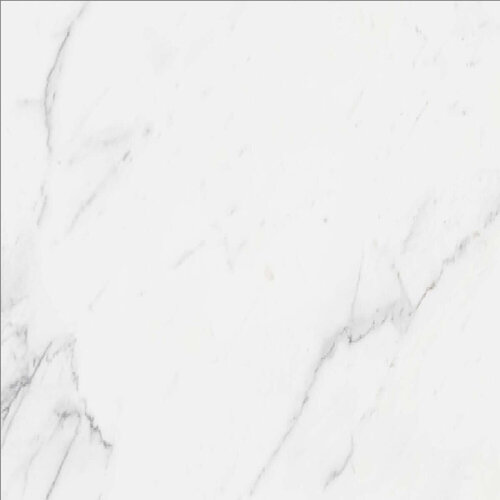
Verona Beta Calacatta Lappato Porcelain Wall & Floor Tile - 600mm x 600mm 3 Pack
Porcelain wall and floor tile with calacatta marble effect, semi-polish finish, …
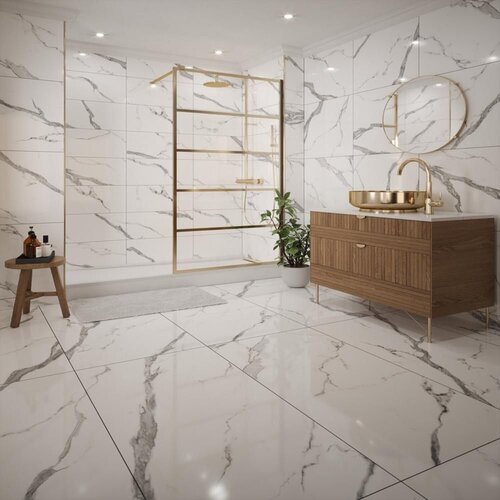
Humber Marble Polished Glazed Porcelain Wall & Floor Tile - 600mm x 600mm Pack of 3
Polished glazed porcelain marble effect tile, 600x600mm, pack of 3
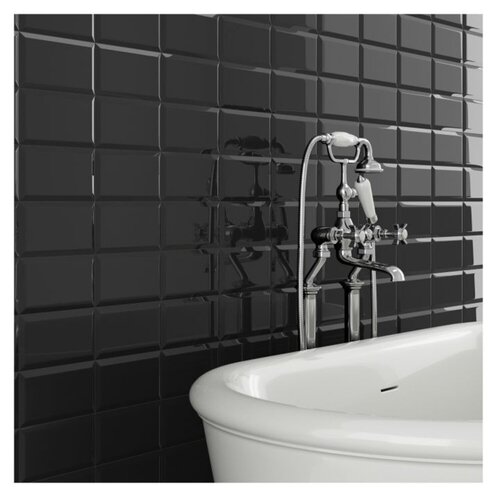
Metro Ceramic Wall Tile - 100 x 200mm Gloss Black
Gloss black 100 x 200 millimetre ceramic Metro wall tile, box of 50
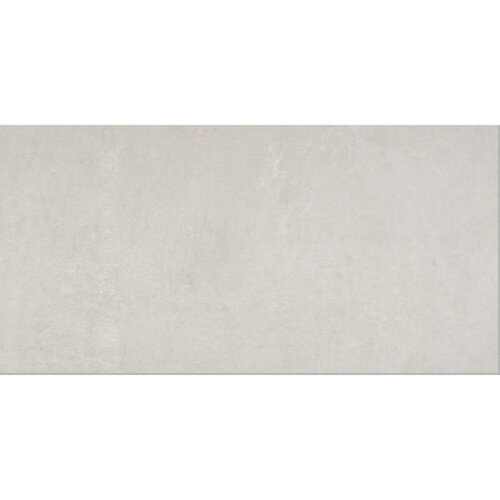
Verona Ceramic Gloss Wall Tile - 600mm x 300mm Ground White 6 Pack
Gloss white ceramic wall tile 600x300mm, pack of 6
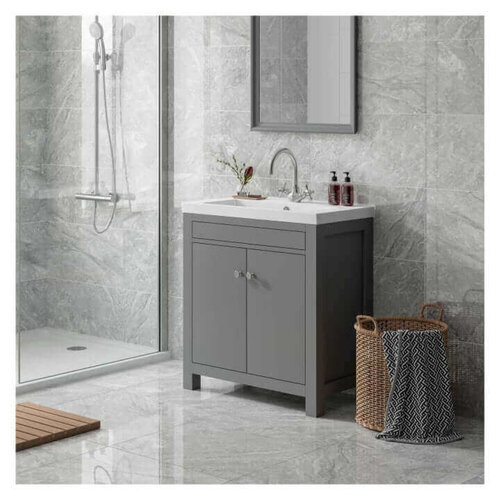
Majestic Porcelain Tile - 600mm x 600mm Grey 3 Pack 1.08m2
Grey porcelain tile, 600x600mm, pack of 3 covers 1.08 square metres
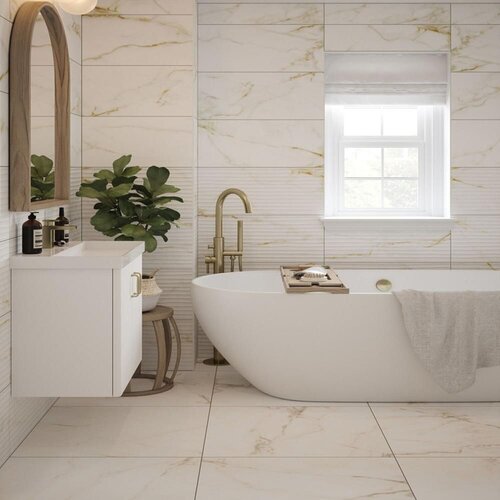
Ganton Gloss Ceramic Wall - 300mm x 600mm Pack of 8
Gloss ceramic wall tile, 300x600mm, gold veining marble effect, pack of 8
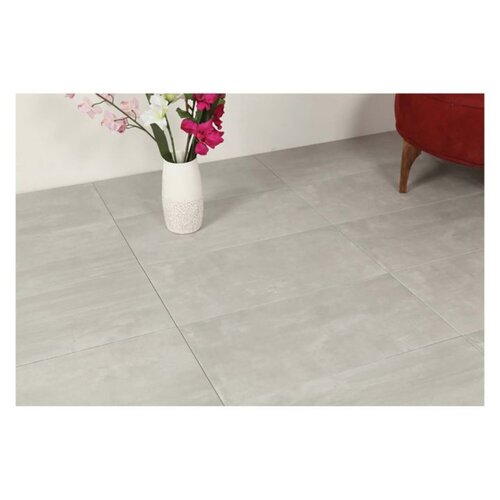
Grunge Porcelain Floor & Wall Tiles - 300 x 600mm Matt Light Grey
Matt light grey porcelain tiles for floors and walls
For the Trade
Start with the space and how it’s going to be used, then let finish and size follow from there. Tight layouts can rule out awkward large format tiles, while busier areas usually push you towards a face that hides wear and cleans up without fuss. If you’re working from the wider Building & Doors range, keep the spec tied to the job, not the sample board. A sheet that fights the layout causes grief later, and that’s where the wrong tile choice shows up quickest.
Floor Tiles
For floor jobs, the first call is usually between finish and handling. Large format tiles cut down the joints, but they need a flatter base and more care on the move. Smaller formats are easier to work into awkward rooms and around falls.
Gloss tiles give a sharper look, but they show marks sooner. Matt tiles are less fussy underfoot and usually the better shout in busier areas. Textured tiles earn their keep where grip matters, though they can be slower to clean.
If you want the narrower buy within this range, go to Floor Tiles.
Tile Backer Board
You’re usually deciding on the base first. If the substrate is sound but needs a proper tiling face, Tile Backer Board is the one you pull when you want a stable, tile-ready surface rather than trying to make do with what’s there. It suits jobs where movement or moisture would cause trouble.
The trade-off is simple - it adds another layer to factor in, so you only spec it where the job needs that extra support. On straightforward internal work, you may not need it at all.
Tile Saws
If you’re cutting tiles for a job that needs accurate edges, the saw choice usually comes down to how much you’re running and how clean the cut needs to be. A basic machine will get you through lighter work. Once you’re into harder porcelain tiles or a lot of repeat cuts, you want something that stays steady and doesn’t wander.
That’s where Tile Saws earn their keep - less waste, fewer chipped edges, and less time redoing awkward cuts. If it’s mostly straight runs and small volumes, you may not need to spend as much.
Wall Tiles
Wall tiles are the ones you pick when the job is about the face of the room rather than the floor under it, so the first question is usually finish and format, not just colour.
Gloss tiles give a sharper look and are easier to wipe down, but they show marks and unevenness sooner. Matt tiles are less fussy on the eye. Textured tiles bring a bit more grip and tend to hide day-to-day wear better.
Decorative tiles suit feature areas, though they can slow the job if the layout needs a lot of matching. Large format tiles reduce joints, but only if the wall is flat enough to take them.
Selection Factors for Tiling
Ceramic tiles are the economical pick for straightforward work. Porcelain tiles make more sense when you need a harder face and less risk of wear-related call-backs. Size changes the spec as much as material.
Large format tiles suit flatter, more open areas because you get fewer joints, but they need a cleaner base and more care with handling. Small format tiles give you more forgiveness where the layout is awkward or you are dealing with falls, cuts, and movement. If you are still building out the job, Building Supplies is where the rest of the consumables usually get picked up.
Finish the Room
Once the tiles are chosen, the next call is usually the surrounding finish: trims, panels, screens and any storage that has to land cleanly against the tiled area. That’s where the job gets judged. A neat face with a poor edge or a badly set-out screen looks rough straight away.
If you’re finishing a wet area, check the panel and screen dimensions before you commit to the tile layout, not after. Keep the spec consistent on adjacent finishes. Mixed thicknesses and last-minute swaps are what cause awkward cuts and hold-ups on site.
Related searches
Local availability for Tiling







