Chipboard
Chipboard usually comes down to two questions: are you buying for flooring or general sheet work, and do you need standard board or moisture resistant chipboard. For floors, 18mm chipboard is the common call when you want a solid deck without adding build-up. Move to 22mm when the spec or joist spacing needs more stiffness. Tongue and groove chipboard also saves time on joints, but poor storage can still cause trouble on site.
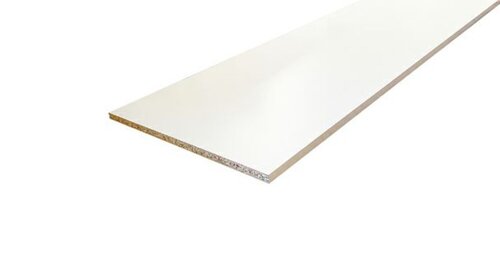
Cheshire Mouldings White Mel Chipboard - 2440mm x 457mm x 15mm
White melamine chipboard panel 2440 x 457 x 15mm for joinery and shelving
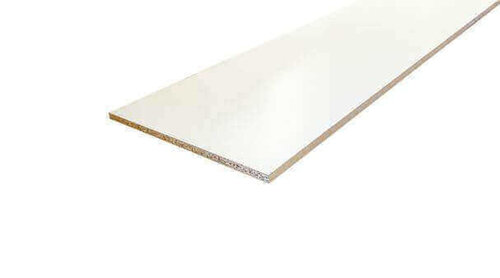
Cheshire Mouldings White Mel Chipboard - 2440mm x 305mm x 15mm
White melamine chipboard 2440 x 305 x 15mm, cost-effective alternative to solid …
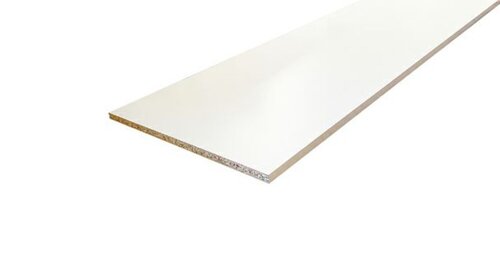
Cheshire Mouldings White Melamine Chipboard - 2440mm x 380mm x 15mm
White melamine chipboard, 2440mm x 380mm x 15mm
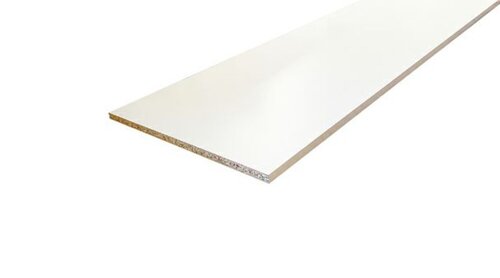
Cheshire Mouldings White Mel Chipboard - 1830mm x 229mm x 15mm
White melamine chipboard panel 1830mm x 229mm x 15mm for shelving and cabinets.
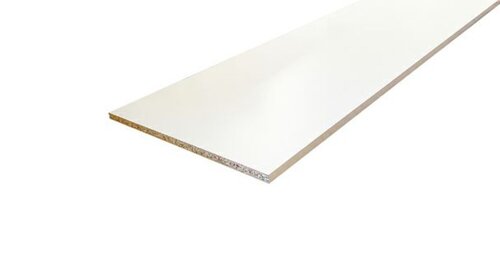
Cheshire Mouldings White Mel Chipboard - 1830mm x 152mm x 15mm
White melamine chipboard, 1830mm x 152mm x 15mm, easy-clean surface for shelving…
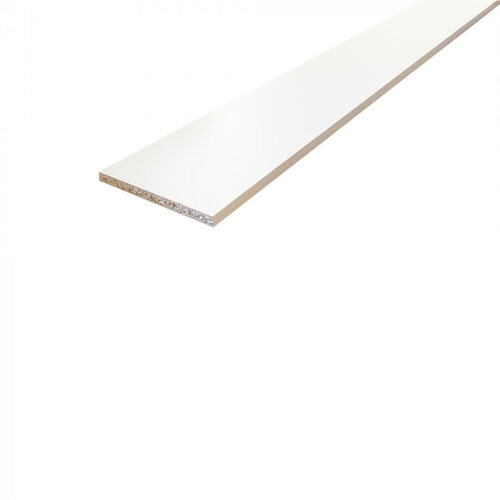
Cheshire Mouldings White Mel Chipboard - 1830mm x 305mm x 15mm
White melamine chipboard panel, 1830mm x 305mm x 15mm, wipe-clean finish.
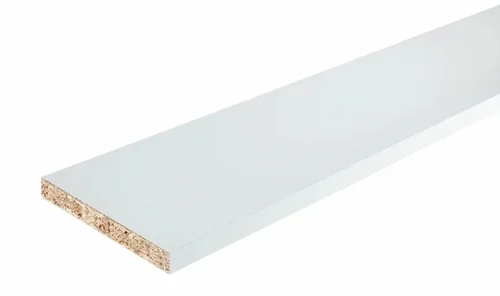
Panelco MFC Furniture Board - 152mm x 15mm x 1830mm
Unbranded MFC furniture board
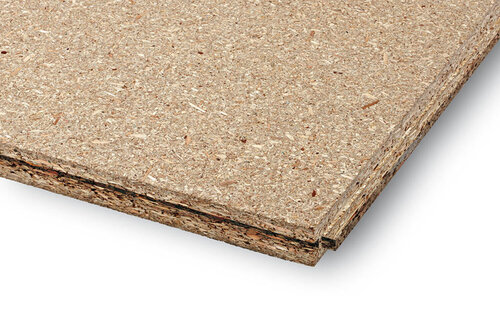
Norbord Chipboard P5 TG4 - 18mm x 600mm x 2400mm
Internal moisture-resistant chipboard floor panel, 18x600x2400mm
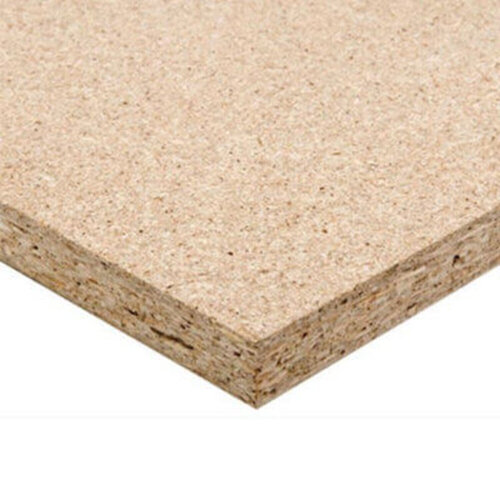
Cheshire Mouldings Chipboard Sheet - 18mm x 1220mm x 610mm
Chipboard sheet 18mm x 1220mm x 610mm, matt finish
For the Trade
Start with the space you’ve got and how the board’s going to be used. That usually settles the spec before you get into finishes or extras. For a straightforward floor job, chipboard flooring with a tongue and groove edge is the normal call. If there’s a damp risk, moisture resistant chipboard is the one you reach for, so the edges are less likely to swell. Thickness follows the load and the joist set-out. 15mm is a different conversation from 18mm or 22mm, and the wrong call is the one that comes back squeaking or feeling soft underfoot.
Types of Chipboard
If you’re sorting chipboard for a job, the first split is between chipboard sheets and chipboard flooring. Sheets suit lining and panel work where you want a flat, economical board. Flooring grades are the better pick when the deck needs to take traffic and stay tight at the joints.
Tongue and groove chipboard, or t&g chipboard, is usually the cleaner call on floors because it locks the edges and cuts down movement at the joins. The trade-off is less flexibility when you’re trimming or laying out the run.
Moisture resistant chipboard is the one to use where the board may see occasional damp, but it still needs proper detailing. If you’re comparing it with the rest of the Timber range, that’s usually what decides the spec.
Selection Factors for Chipboard
Most chipboard jobs come down to span, moisture risk and how much jointing you want to deal with.
For flooring, thicker boards and tongue and groove edges are usually the pick. They give you a tighter deck and fewer squeaks. The trade-off is weight, so handling takes more effort.
For lighter lining work, thinner chipboard sheets can do the job. They are not the answer where you need a stiffer floor.
Moisture resistant chipboard is worth the extra spend where the area may see damp. Don’t buy it just because it sounds safer. It only earns its keep when the job actually needs it.
If the spec is moving away from sheet flooring altogether, Sawn Timber is the next call. For a thinner facing board, Hardboard usually makes more sense.
Finish the Room
Once you’ve settled on chipboard, the next call is what trims and finishes the job needs around it. If the board sits under a visible edge or a built-in, sort the matching finish at the same time. It’s harder to make good later.
Where the job runs into a wall or needs a cleaner line, the surrounding timber and finish pieces matter as much as the board itself. Leave them off the order and the call-backs start. If you’re moving from floor deck into adjacent sheet work, check the next material now so you’re not mixing grades and thicknesses on the same run.
Local availability for Chipboard



