Moulding
Moulding comes down to where it’s going and how much detail you need. For plain finishing, simpler profiles keep the job clean. For doors, walls or feature work, architrave moulding, beading moulding and decorative moulding each give a different edge and look. Timber moulding is still the usual pick for a clean painted finish, while heavier sections suit profiles that need to read properly from a distance.
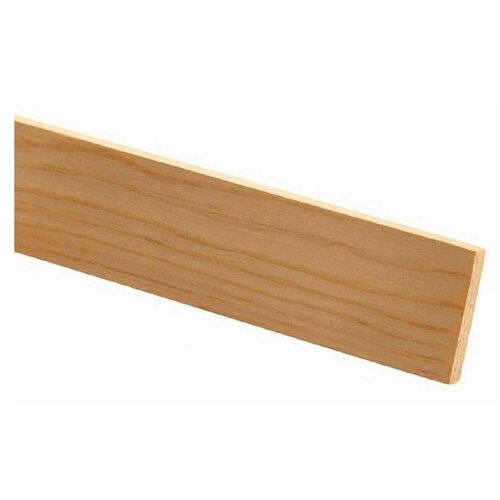
Richard Burbidge Stripwood Pine - 2400mm x 44.5mm x 6mm
Square-edged pine stripwood for general building projects.
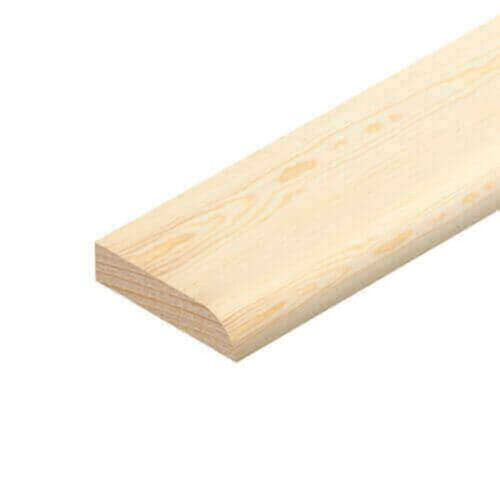
Cheshire Mouldings Round One Edge Cover Moulding - 9mm x 34mm x 2400mm
Decorative pine edge cover moulding, 9mm x 34mm x 2400mm
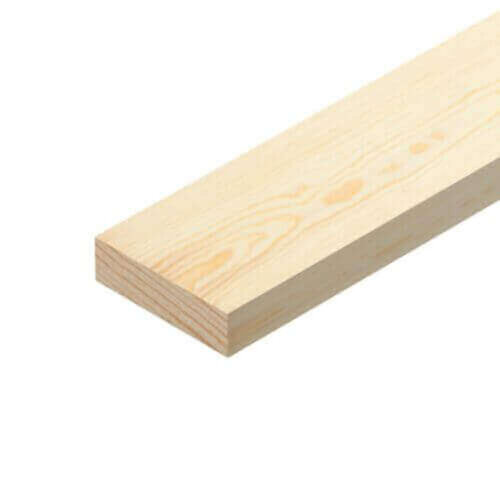
Cheshire PSE Stripwood Pine - 9mm x 34mm x 2400mm
Pine stripwood 9mm x 34mm x 2400mm for interior decorative projects
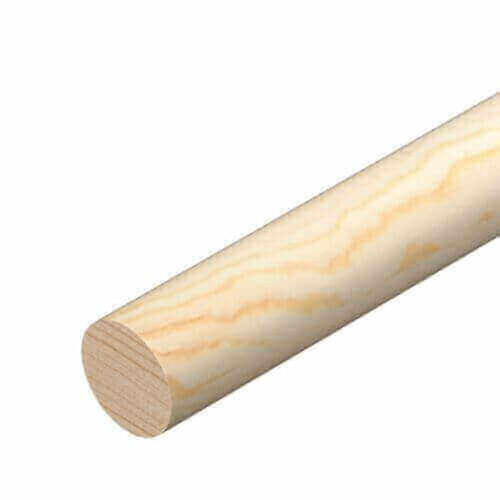
Cheshire Mouldings Dowel Pine - 18mm x 2400mm
18mm x 2400mm pine dowel for DIY projects
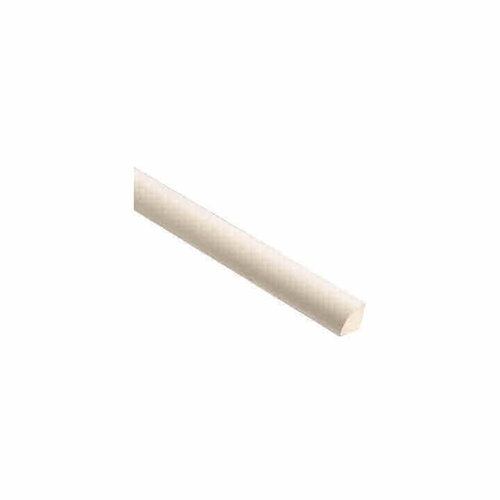
Quadrant Pine Primed FSC - 15mm x 15mm x 2.4m
FSC-certified primed pine quadrant moulding, 15 x 15mm, 2.4m
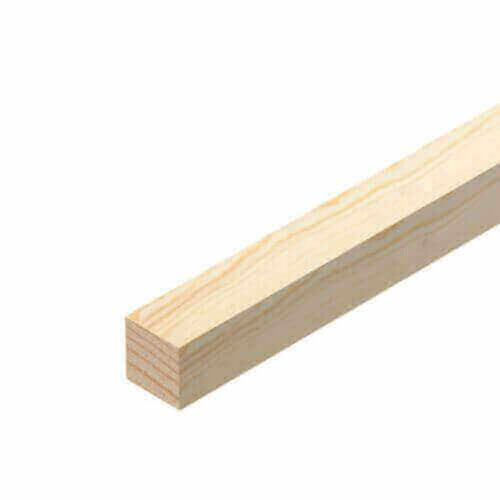
Cheshire Mouldings PSE Stripwood Pine - 12mm x 12mm x 2400mm
Clear pine PSE stripwood, 12mm x 12mm, 2.4m, planed smooth finish
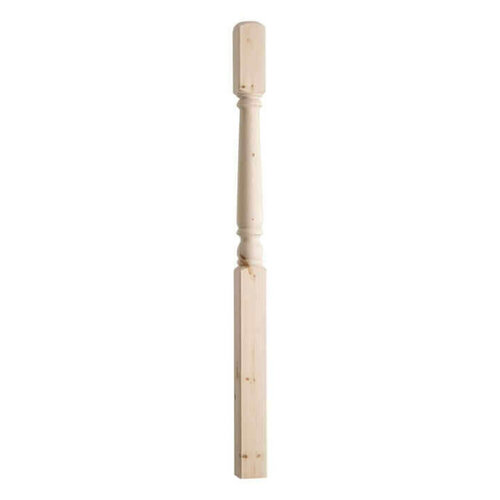
Stair One Piece Newel Turning Head - 91mm 230mm x 1500mm pine
Pine newel turning head for staircase use, 91 x 230 x 1500 millimetres
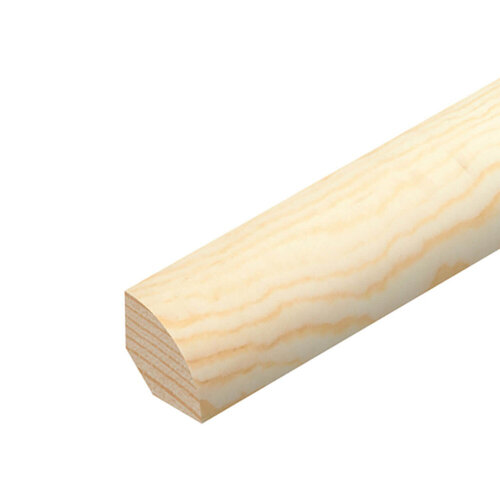
Pine Quadrant - 12mm x 12mm x 2.4m
Natural pine quadrant, 12mm x 12mm x 2400mm, with a pale light finish.
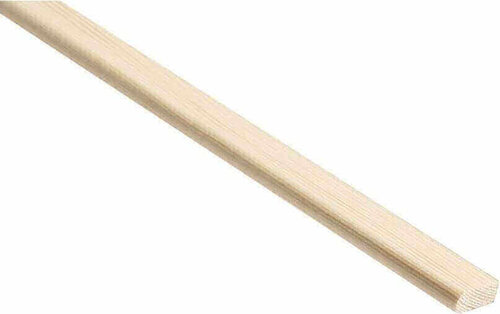
Richard Burbidge Parting Bead Pine - 20mm x 8mm x 2400mm
Pine parting bead, 20mm x 8mm x 2400mm, natural finish
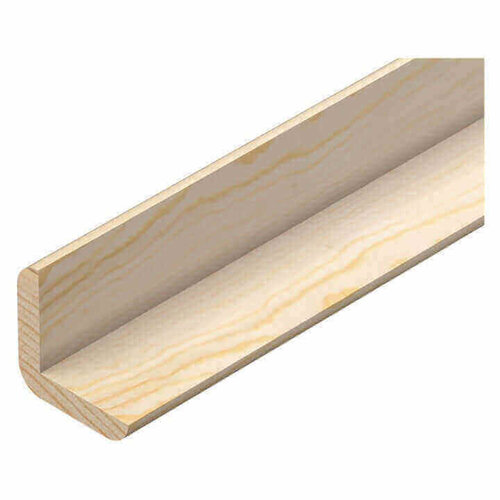
Pine Angle PEFC - 40mm x 40mm x 2.4m
Pine angle moulding 40x40mm x 2.4m, PEFC certified
For the Trade
Start with where it’s going and how much abuse it’ll take, because that usually decides the profile before anything else. A neat internal line wants a different moulding to a piece that has to cover a rough edge or take repeated knocks, and the wrong section is where you end up packing or reworking. If the job needs a cleaner painted finish, a decorative moulding with a smoother face is usually the safer call. For a harder-wearing edge, a simpler timber moulding or beading moulding is often the better fit. Detail level matters too. Too much profile on a small run can look busy once it’s on the wall.
Popular Moulding Formats
For most jobs, you’re choosing between a plain softwood moulding, a harder hardwood moulding, or a more decorative profile.
Softwood suits straightforward runs where you want something easy to work and keep the cost sensible. It’s not the one to push where the edge is likely to get knocked.
Hardwood is the call when the finish has to stay sharper in service. You pay for that in price and working time.
Decorative moulding is the pick when the profile itself is doing the work. Architrave moulding and skirting moulding suit door sets and wall lines, while beading moulding is better for smaller junctions and cover-up work. It won’t hide a poor line the way a fuller section will.
If you’re matching the rest of the job up, Timber is the parent range to check against before you commit.
Key Differences When Choosing
Material choice changes how the job handles as much as how it finishes. Timber moulding is usually the call when you want a cleaner edge and a bit more forgiveness on fixing. A wood moulding with a harder face tends to hold a crisper line where the profile is doing the work.
The trade-off is weight and handling. Heavier sections sit more steadily once fitted, but they are less pleasant to carry and cut in long runs. If the job is more about simple lining and backing than a visible finish, Chipboard or Hardboard may be the better buy.
Next Decisions After Choosing
Once you’ve picked the moulding profile, the next call is what it has to finish against.
If it’s closing out a wall, you’ll usually be looking at panels or a clean wall finish. Around openings, architrave moulding needs to sit with the door set and any skirting moulding without looking forced. Beading moulding comes in when you need to tidy a joint or break up a panel.
That’s where the job gets judged. A profile that’s too heavy will fight the rest of the room. A lighter run can disappear if the surrounding finish is busy.
Local availability for Moulding







