OSB
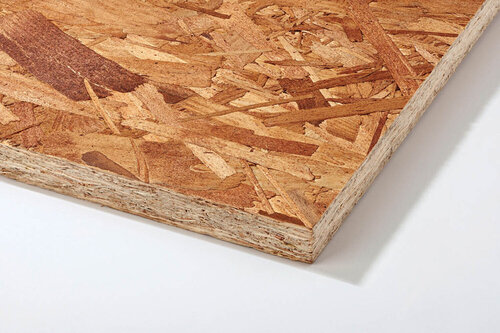
OSB is the sheet you pick when you want the job done without paying for a cleaner face than you need. The real call is thickness and where it’s going - 9mm and 11mm suit lighter lining and sheathing work, while 18mm is the one you reach for when the floor needs more stiffness. Compared with other sheet materials, it’s chosen for strength and value rather than appearance, and the rougher face is part of that trade-off.
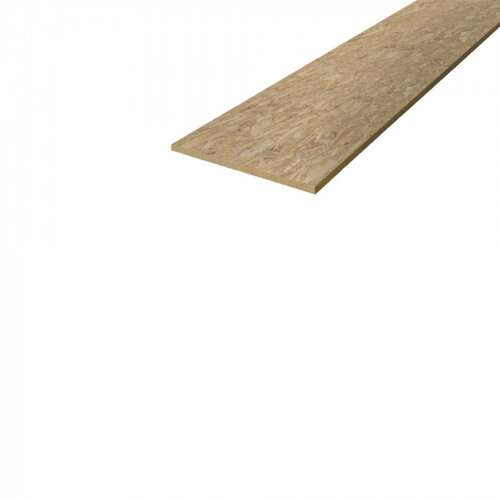
Cheshire Mouldings OSB Board - 18mm x 1830mm x 610mm
OSB board 1830mm x 610mm x 18mm for flooring, wall sheathing, and construction
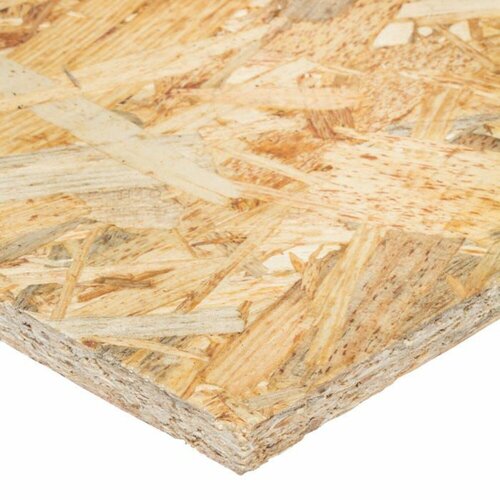
Cheshire Mouldings OSB Board - 1830mm x 610mm x 11mm
Oriented strand board panel, 1830 x 610mm, 11mm thick, for structural use
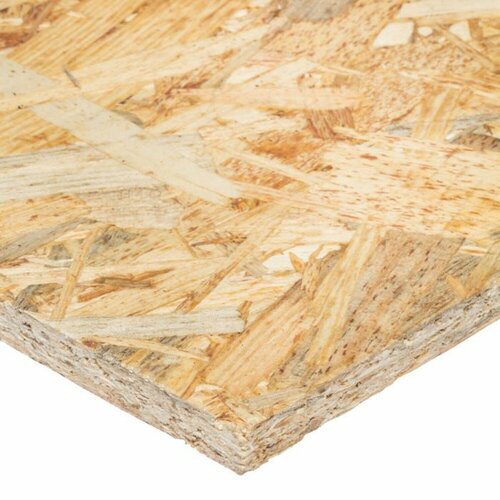
Cheshire Mouldings OSB Board - 1220mm x 610mm x 11mm
Durable OSB board for load bearing and interior/exterior use
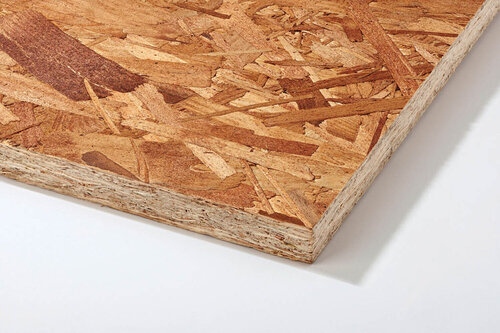
Norbord OSB 3 - 9mm x 1200mm x 2400mm
OSB 3 structural sheet, 9mm x 1200mm x 2400mm, for humid conditions
Norbord OSB 3 - 18mm x 1220mm x 2440mm
OSB 3 structural board 18 x 1220 x 2440mm, performs well in humid conditions
For the Trade
Start with the space you’ve got and what the sheet needs to do there, because that usually sets the grade and thickness before anything else. If access is tight or you’re carrying it through a finished building, handling matters as much as the spec. For lighter lining or temporary work, you can keep it leaner. Once the sheet is taking load, spanning wider centres, or used as roof decking, you want the heavier option. The jobs that come back are usually the ones where the board was bought on price alone and then asked to do more than it should.
Types of OSB
For most jobs, you’re choosing between a lighter osb sheet for lining and temporary work, and a thicker structural osb when the board needs to take more of the load. The thinner boards are easier to handle and quicker to fix, but they’ll show movement sooner if you push them too far.
A mid-weight osb board sits in the middle when you want decent stiffness without jumping straight to the heaviest option. If the rest of the job is already set by Timber, that often decides whether you stay with a general osb board or move up to 18mm osb for floors and other load-bearing areas.
Selection Factors for OSB
Thickness and finish usually decide it. Go thinner when you only need a lining or a quick close-in. Don’t expect it to act like a floor board.
Move up to 18mm osb when the sheet needs to take more abuse or span properly. Go too light there and you’ll hear about it later.
If you’re weighing osb board against Chipboard, chipboard is the smoother pick for more controlled internal work. OSB is the rougher, tougher option when the job is less forgiving. Hardboard is lighter and thinner for simpler lining jobs, but it won’t give you the same stiffness.
Finish the Room
Once you’ve settled on OSB, the next call is usually what finishes around it. If you’re lining or boxing in, you’ll often want a cleaner face next. Floor work usually means getting the build-up sorted before the last sheet goes down.
The jobs that turn awkward are the ones where the board is right but the finish isn’t. You end up chasing gaps, trims or a second pass. For a neater internal face, hardboard is the usual follow-on. If you need a different balance of finish and stiffness, chipboard is the other option.
Local availability for OSB



