Sawn Timber
Sawn timber is the pick when the job is judged on size, grade and finish rather than price alone. Planed timber gives you a cleaner face and less work later. Rough sawn timber suits framing and general build work, with more prep at the point of use.
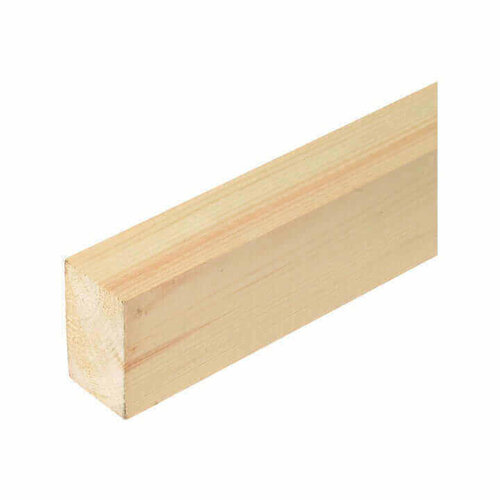
PAR Redwood PTL PEFC - 75mm x 50mm x 3.0m
Planed all round redwood, 75mm x 50mm x 3.0m
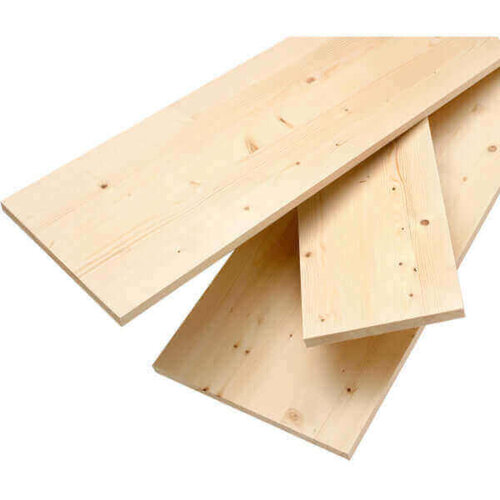
Cheshire Mouldings Pine Boards - 1750mm x 200mm x 18mm
Laminated pine board for shelving, furniture and DIY, internal use
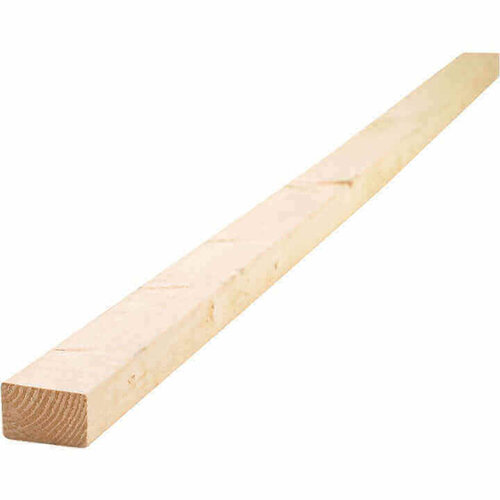
Sawn Easi Edge KD FSC - 75mm x 47mm x 2.4m
Easi Edge kiln dried FSC sawn timber, 75x47mm, 2.4m length, for specialist const…
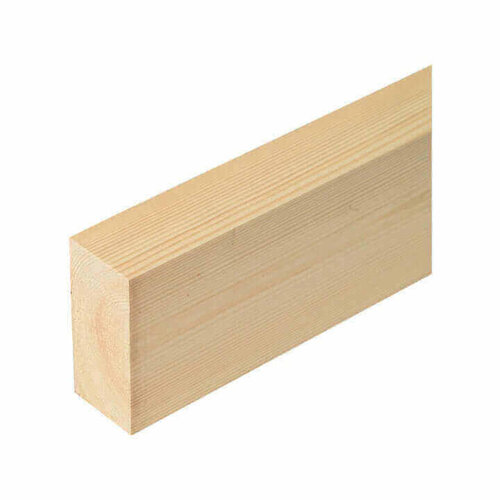
PAR Redwood Nominal PEFC - 100mm x 50mm x 2.4m
Planed all round redwood timber, 100x50mm, 2.4m long, PEFC certified
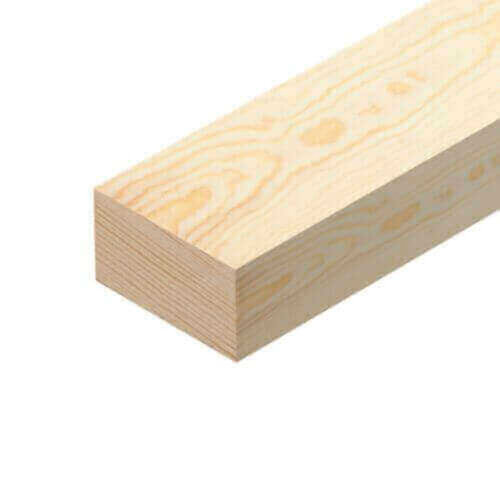
Cheshire Mouldings PSE Knotty Stripwood Pine - 20mm x 34mm x 2400mm
20x34mm planed knotty pine stripwood, 2400mm long
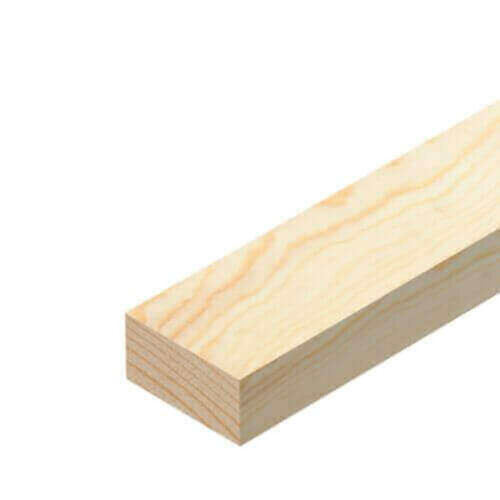
Cheshire Mouldings PSE Stripwood Pine - 9mm x 21mm x 2400mm
Smooth, square-edged pine stripwood, 9x21x2400mm
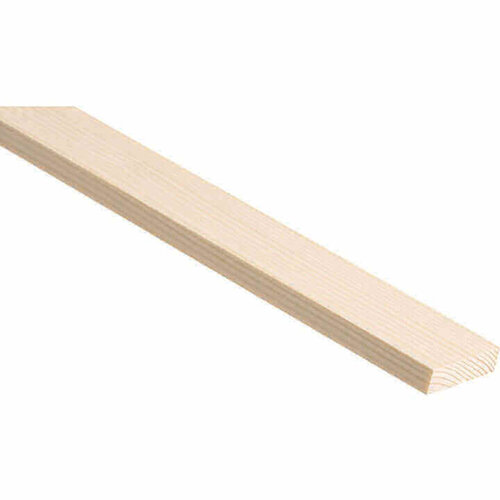
Pine Stripwood PEFC - 21mm x 21mm x 2.4m
PEFC-certified pine stripwood, 21mm x 21mm, 2.4m length
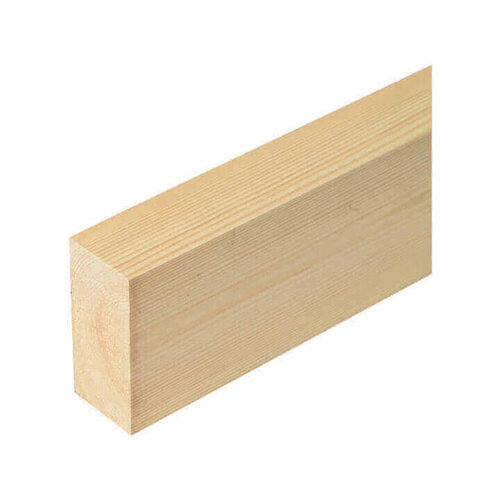
PAR Redwood PTL NOM PEFC - 100mm x 50mm (4" x 2") 3.0m
PAR redwood planed timber, 100 x 50mm x 3.0m, PEFC certified
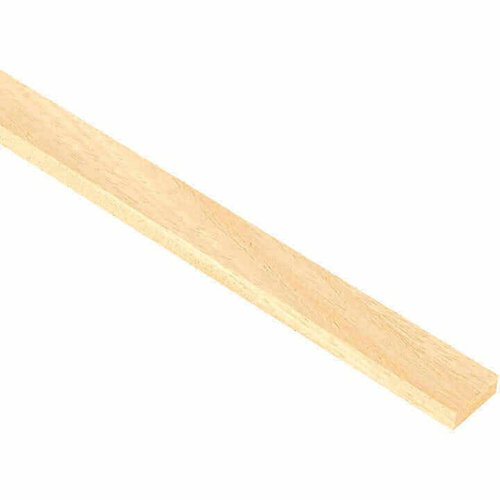
Light Hardwood PSE FSC - 18mm x 6mm x 2.4m
Light hardwood PSE, 18mm x 6mm x 2400mm, FSC certified
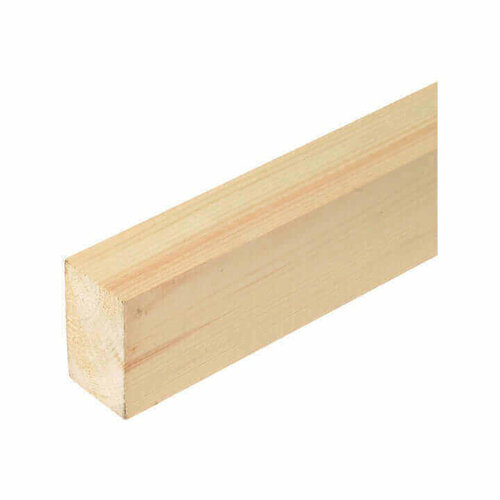
PAR Redwood Softwood PEFC - 75mm x 50mm (3" x 2") PTL 2.4m nominal
PAR redwood timber, 75x50mm, 2.4m length, PEFC certified.
For the Trade
You’ll usually narrow sawn timber by finish first, then by whether the job needs straight, clean stock or something rougher that you’re happy to work up on site. Planed timber suits jobs where appearance and tighter handling matter. Rough sawn timber is the better call when the surface is secondary and you want more tolerance on site. Treated stock comes in where exposure is the issue. Untreated is the economical choice indoors or where you’re finishing it yourself. Hardwood timber is a different call again, more about wear and stability than general framing.
Sawn Timber Options Compared
If the job is framing, boarding or general site work, you’re usually choosing between how much finishing you want to do and how much handling grief you can live with.
Planed timber saves time where you need cleaner edges and easier handling. Rough sawn timber suits rougher jobs where appearance is secondary and a little extra tolerance helps.
Hardwood timber only makes sense where the spec or wear calls for it. Otherwise it adds cost and often more effort than you need.
If you’re comparing it with the wider Timber range, the question is whether you need a cleaner finish, a tougher section, or straightforward cut timber that gets the job done without fuss.
Choosing Materials and Size
The first call is usually finish and handling. Planed timber is the cleaner pick when you need straighter edges and less dressing on site. You give up a bit of tolerance, and you usually pay for the extra processing.
Rough sawn timber works better when appearance is secondary and you want a section that is easier to work with. It is often the better shout for heavier site work, though it can mean more prep if the face matters.
For anything where the spec is doing the talking, look at OSB. For odd sizes or a more specific requirement, Specialist is the next move.
Completing the Setup
Once you’ve picked the sawn timber, the next call is what the rest of the job needs around it.
If you’re boxing out, lining or closing off a run, OSB is usually the first pick when strength and speed matter. Plywood is the cleaner call where the face will show. MDF and hardboard suit internal finishing and trim work, not rough treatment on site.
Local availability for Sawn Timber







