Timber
Timber usually comes down to what you’re building, how much handling you’ve got, and whether it needs treatment before it goes out. For straight structural work, timber lengths are often the cleaner fit. For lining, boxing-in or cut-to-size jobs, timber boards or timber sheets make more sense because you cut waste and keep handling simpler. Untreated timber works where the spec allows it, but once moisture or exposure is in play, that is where jobs go wrong and treated timber becomes the safer call.
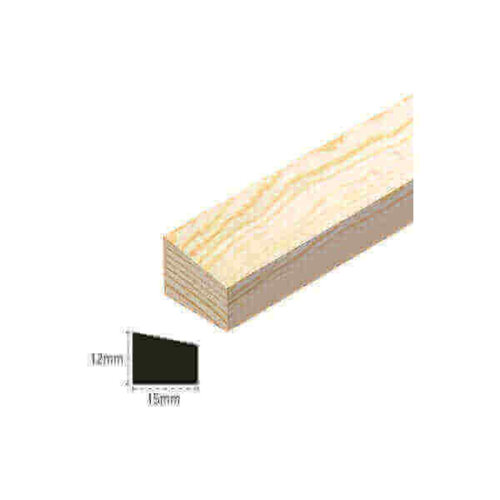
Pine Wedge Bead - 15mm x 12mm x 2400mm
Unfinished pine wedge bead 15mm x 12mm x 2400mm
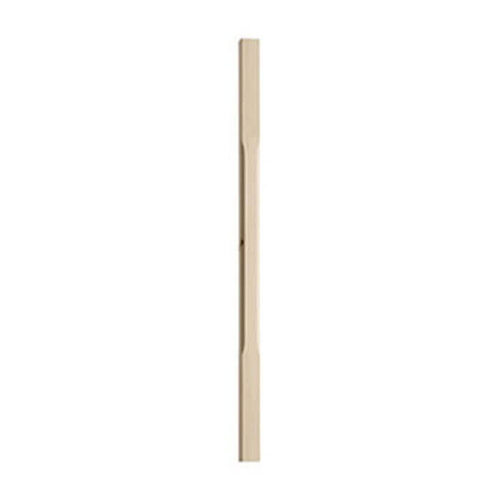
Cheshire Mouldings Benchmark Stop Chamfered Spindle - 32mm x 32mm x 895mm Pine
Pine stop chamfered spindle 32x32x895mm from Cheshire Mouldings
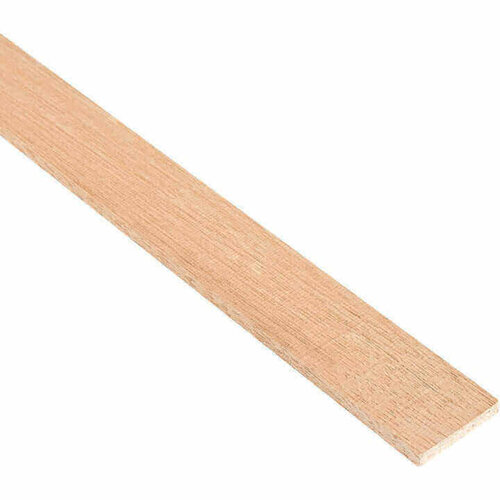
Red Hardwood PAR PEFC - 45mm x 8mm x 2.4m
Red hardwood PAR timber, 45 x 8 mm, 2.4 m, PEFC certified
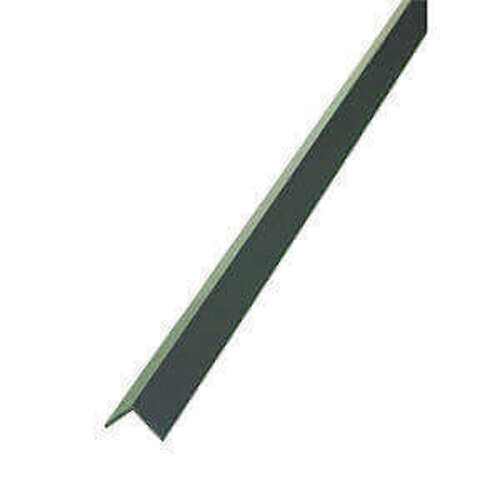
PVCu Angle - 15mm x 15mm x 1m Black
Black PVCu angle profile, 15mm x 15mm, 1 metre length
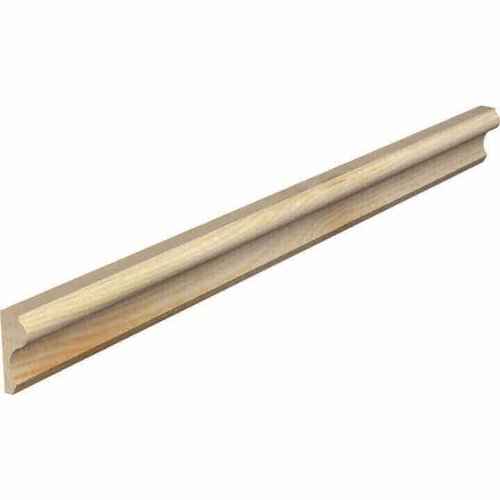
Pine Decorative Panel PEFC - 21mm x 8.5mm x 2.4m
PEFC certified decorative pine panel, 2.4m length
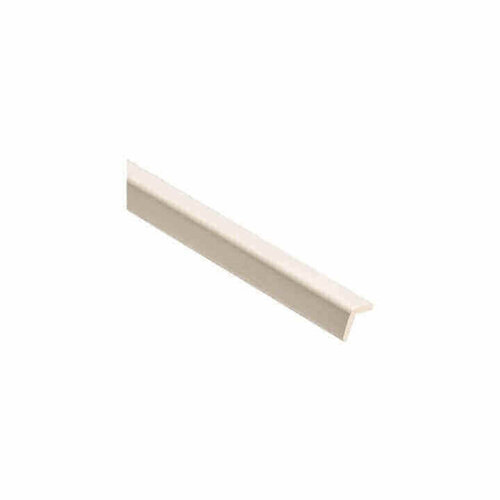
Pine White Primed Angle FSC - 20mm x 20mm x 2.4m
White primed pine angle moulding, 20 millimetres x 20 millimetres x 2.4 metres, …
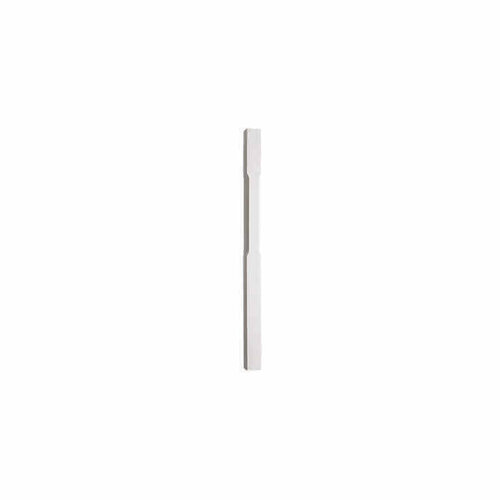
Stair Stop Chamfered Newel White Primed FSC - 91mm x 1500mm
White primed chamfered newel post, 91mm x 1500mm, FSC certified
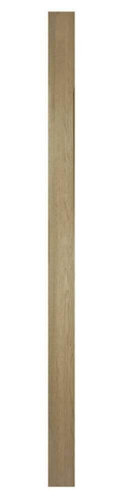
Richard Burbidge Complete Half Stop Chamfered Newel White Oak - 43mm x 90mm x 15…
White oak half stop chamfered newel post, 1500 millimetres high, 90 x 43 millime…
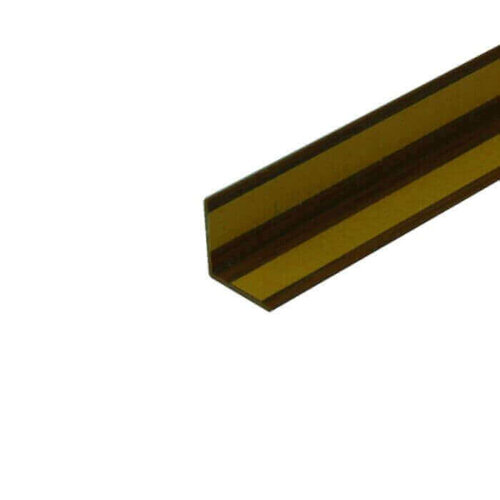
Equal Sided PVC Angle - 20mm x 20mm x 1m Rustic Oak
20 x 20 mm PVC equal angle trim, rustic oak, 1 m length, suitable for interior a…
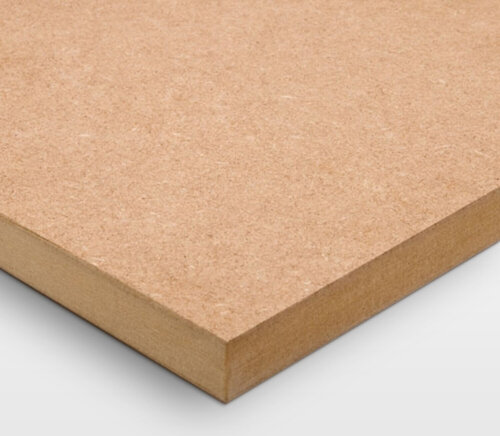
Norbord MDF Standard - 25mm x 1220mm x 2440mm
25mm x 1220mm x 2440mm MDF sheet for weight-conscious designs.
For the Trade
Start with the space you’ve got and how the timber will be used. That usually settles the spec faster than comparing grades first. If access is tight, long timber lengths can be awkward and slow you down, so shorter stock or timber boards may be the better fit. If the job is exposed, treated timber is usually the call. If it’s staying dry and you’re keeping cost down, untreated timber is often enough. Building & Doors is the parent hub if you’re moving between this and the other ranges on the job.
Chipboard
For a job where you need a flat, stable sheet rather than a structural board, Chipboard is often the first pull. It keeps costs down when the sheet does not need the same weather resistance or load handling as plywood or OSB.
The trade-off is clear. You get a consistent panel for the money, but you give up moisture tolerance and edge toughness. That makes it a fit for dry internal work. Plywood and OSB stay the better shout where the board will be handled hard or see damp.
Hardboard
Hardboard is the one you pull when you want a thin, smooth face rather than a structural sheet. It suits backs, liners and temporary protection where a neat finish matters more than strength. That is what sets it apart from heavier timber sheets.
If the job needs load-bearing performance or better impact resistance, you need a different sheet material. If you just want a clean, economical skin, Hardboard is the straightforward buy. The usual choice is between a board that stays flat and easy to handle, or one with more body in the sheet.
MDF
MDF is the one you pull when you need a clean, consistent sheet that machines well and takes paint properly. You'd usually pick it over a rougher board when the finish is on show.
Compared with chipboard, it gives you a better finish on visible work, but it is heavier and needs to stay dry. Against hardboard, it gives you more body and a more usable edge, which is why it gets picked for MDF on trims, panels and fitted details where the finish matters more than saving a few quid on the sheet.
Moulding
Moulding is the one you pull when the job needs a finished edge rather than a plain board. You usually choose by profile, size and how much finishing you want to do after fixing.
Keep it simple. If the detail will be seen, pick timber that is straight and consistent. Twisted lengths waste time at the bench and show once it is painted. In a dry internal setting, untreated timber is usually fine. Once moisture or exposure comes into play, move to treated timber instead.
OSB
OSB is the sheet you reach for when you need more bite than basic board, but no need to pay for a cleaner face than the job calls for. It suits sheathing, flooring and general build work where strength and price matter more than appearance.
Compared with plywood, it is usually the cheaper call, but you give up some face quality and edge neatness. Against chipboard, it holds up better where the sheet may take a bit more abuse. For timber sheets that will be covered, OSB is often the sensible middle ground.
Plywood
Plywood is the sheet you reach for when you want more stability than basic timber boards and more toughness than decorative board.
It suits jobs that need decent strength without moving up to something heavier or more specialised. You give up the cleaner face and finer finish you get from MDF. If the sheet needs to take knocks, fixings and a bit of movement, plywood makes sense. If the finish matters more, look elsewhere.
Selection Factors for Timber
What usually settles timber is whether you need straight lengths, flat sheet material, or something just to finish the job off. Timber lengths suit a proper run and are easier to work with on site. Timber sheets or timber boards make more sense where you want coverage and fewer joints.
Untreated timber is fine for dry internal work. Once the job is exposed or likely to pick up moisture, move to treated stock and accept the extra cost. If you’re topping up a mixed order, Building Supplies is usually where the rest of the fixings and consumables get picked up.
Finish the Room
Once you’ve picked the timber, the next call is what finishes around it. If you’re lining out, boxing in or closing off a rough opening, the sheet material matters as much as the frame.
Chipboard keeps cost down where the face won’t be seen. MDF gives you a cleaner finish where the edge stays visible. Hardboard still gets pulled for thin backing and protection, but it is not the answer where you need stiffness.
Most call-backs start with the wrong sheet for the finish, not the wrong timber.
Local availability for Timber









