Roof Windows
Roof windows usually come down to three calls: fixed or openable, manual or electric, and centre pivot or top hung. Centre pivot suits most straightforward loft jobs because it’s easier to work with in tighter spaces. Top hung gives a different opening action when access and sightline matter more. Electric roof windows make sense where reach is awkward, but they add cost and another thing to spec. If you’re matching an existing opening, frame size and pitch matter more than the label on the box.
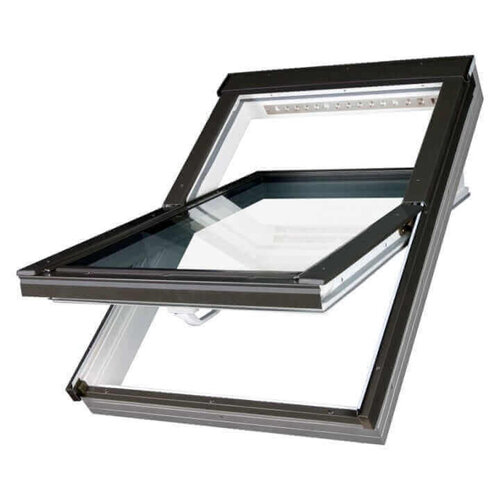
Fakro Roof Window UPVC PTP-V P2 - 78cm x 98cm White
Fakro PTP-V P2 UPVC roof window 78mm x 98mm white, durable glazing
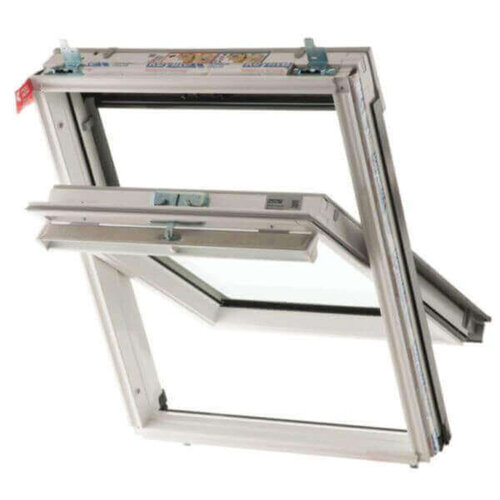
Keylite Centre Pivot Roof Window - 550mm x 780mm white painted
550mm x 780mm white centre pivot roof window with Hi-Therm glazing
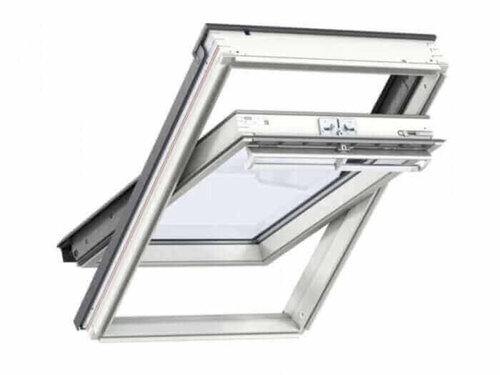
Velux Window GGL CK02 2070 - 550mm x 780mm White
White roof window providing twice as much daylight as vertical windows
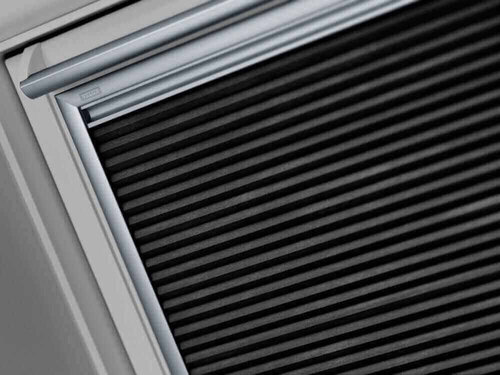
Velux Top Hung Roof Window - 780mm x 1178mm White Painted
White painted top-hung roof window, 780 x 1178mm, with safety laminated glazing
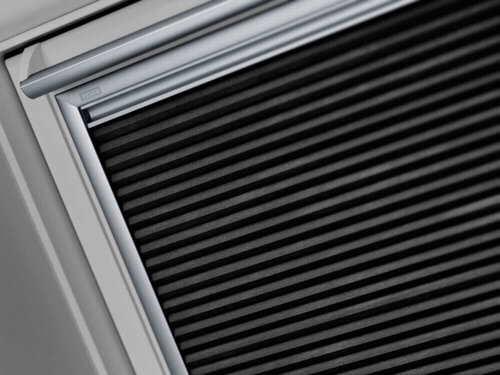
Velux Centre Pivot Roof Window - 550 x 1180mm White
Centre-pivot roof window, 550 x 1180mm, white painted finish.
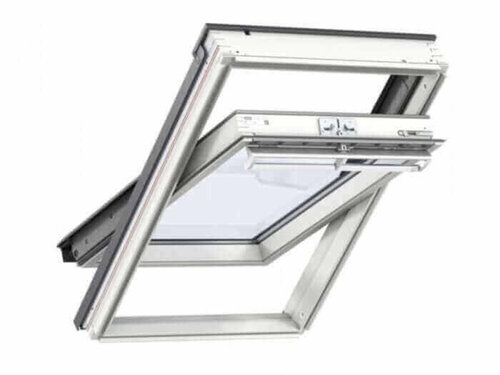
Velux Window GGL MK04 2070 - 780mm x 980mm White
Velux GGL MK04 roof window, 780x980mm, white painted, 70 pane glazing
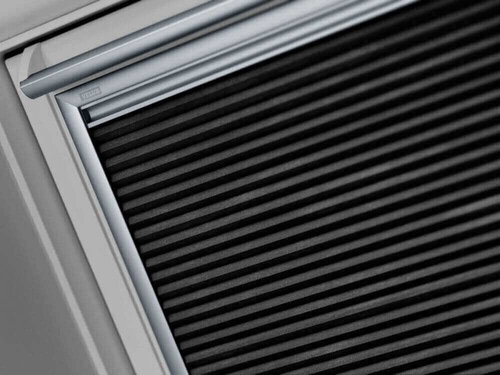
Velux Top Hung Window - 550mm x 1180mm White Painted
Velux top-hung roof window, 550 x 1180mm, white painted finish
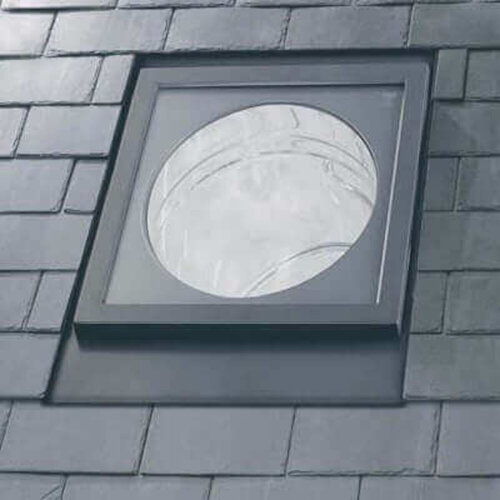
Velux Sun Tunnel TLF 0K14 2010 - 460mm x 460mm
Velux Sun Tunnel with 14" flexible tunnel, 460x460mm roof opening
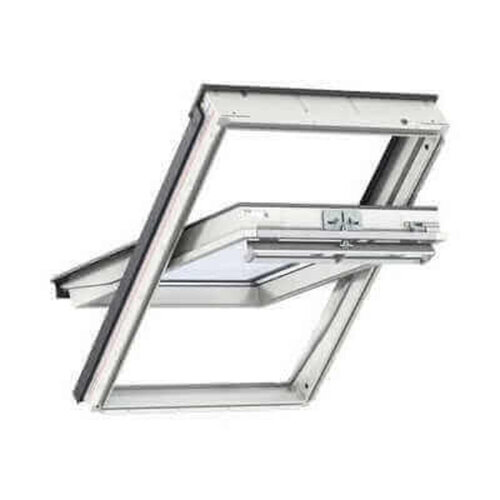
Velux Centre-Pivot Roof Window - 780mm x 1178mm White polyurethane
Maintenance-free centre-pivot roof window with white polyurethane finish and top…
For the Trade
Start with the space you’ve got and how the room will be used, then the choice gets a lot easier. On a tight pitch or where access is awkward, the simplest option usually wins because it keeps handling and opening straightforward. If the opening will be used often, electric roof windows can save hassle, but they add cost and another thing to go wrong. If it’s mainly about daylight, a manual unit is usually the cleaner buy. Finish and accessories come after that. The wrong layout choice causes most grief, not the trim.
Types of Roof Windows
For most jobs, it comes down to how the unit opens and how much room you have around it. Centre pivot roof windows suit straightforward installs where you want easy handling and less clearance to manage. Top hung roof windows work better when you need the sash to project out and leave the opening clear.
Rooflights are the broader choice when the brief is about daylight rather than a named system. Trade roof windows make sense when you are balancing cost, handling and repeat use. If you are comparing ranges, check the rest of Windows & Window Fittings so you do not end up with a layout that fights the job.
Selection Factors for Roof Windows
The first call is how the unit will be used day to day. Manual roof windows keep cost and maintenance down where access is straightforward. Electric roof windows make more sense once the opening is awkward, or the client wants regular ventilation without a pole.
Opening style matters too. Centre pivot roof windows suit a simple, reliable fit. Top hung roof windows give a clearer opening, but they take more room. If the spec is mainly about daylight, rooflights are often enough. If glare control matters, Blinds are the next thing to sort. For exposed or temporary work, Glazing Sheets can be the better call where a full roof window is not the brief.
Finish the Room
Once the roof windows are chosen, the next call is what finishes the opening and the room around it. If the opening takes hard sun, blinds usually come next. If you are lining out the reveal, glazing sheets are the bit that stops you bodging the finish later.
That is the sort of thing that gets missed on site. The window is in, but the surrounding work still needs a proper spec. Keep an eye on the adjacent trim and lining details as well. A neat unit can still look wrong if the finish around it is left to chance.
Related searches
Local availability for Roof Windows






