Building & Doors
With building & doors, start with the job: internal work, external exposure, or a spec that asks more of the product. That sets the direction before you get into finish or hardware. Mixing the wrong door type with the wrong opening causes a lot of call-backs. Check the related building hardware and insulation at the same time, because the door choice often changes what else you need.
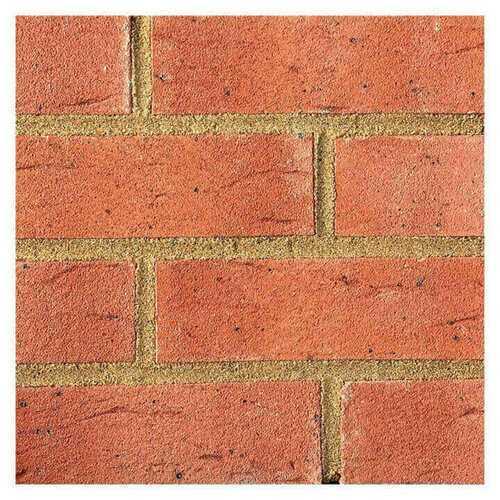
Baggeridge Tabasco Red Brick - 65mm
65mm Tabasco Red wirecut brick, 500 per pack.
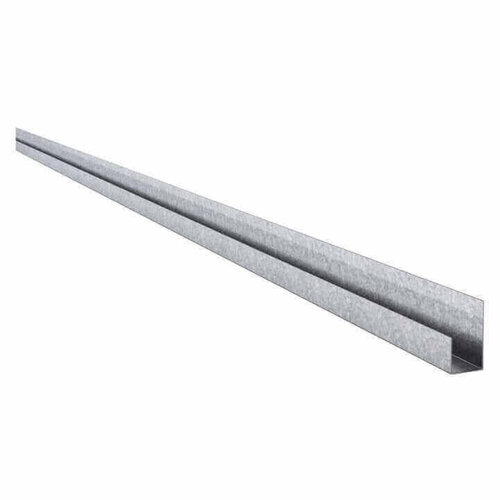
Superior Wall Liner Track GL8 - 3.0m
Wall liner track model GL8 for wall lining systems, 3.0m length.
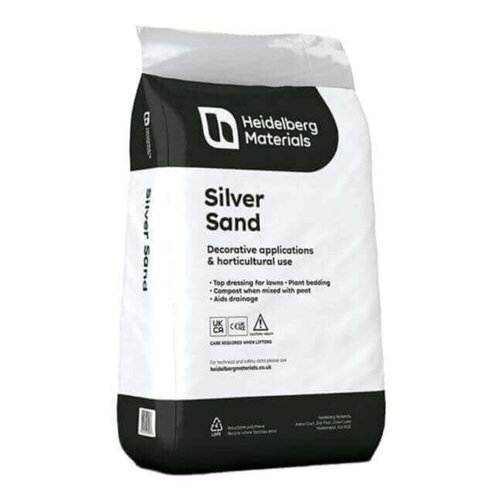
Hanson Silver Sand - 25kg Large bag
Washed lime-free silver sand for decorative use and light-coloured mortar, 25kg.
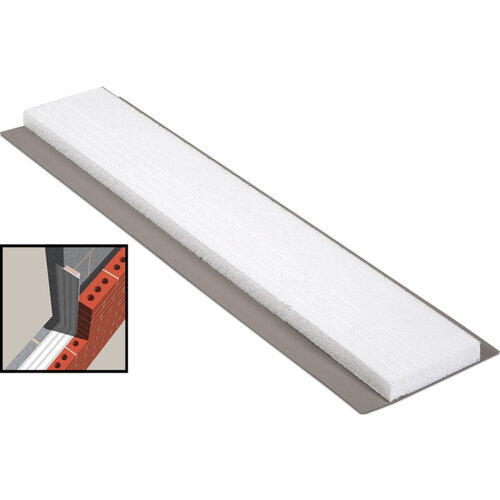
YBS Easi-Close EPS White Cavity Closer - 100-150mm
EPS cavity closer reducing thermal bridging, fits 100–150mm cavities, 2.4m
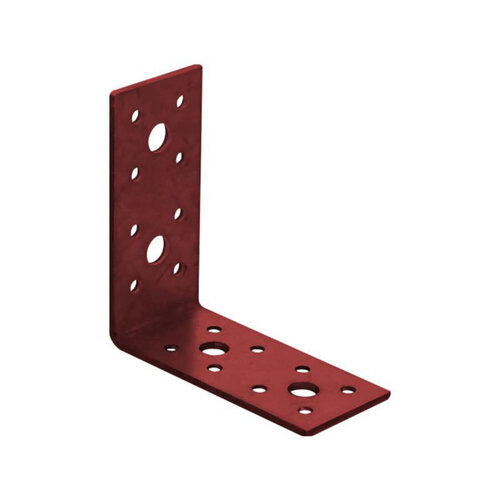
Dual Coated Heavy Duty Angle - 90 x 90 x 40mm wide / 3mm thick
Heavy-duty dual-coated steel angle bracket 90x90x40mm, 3mm thick
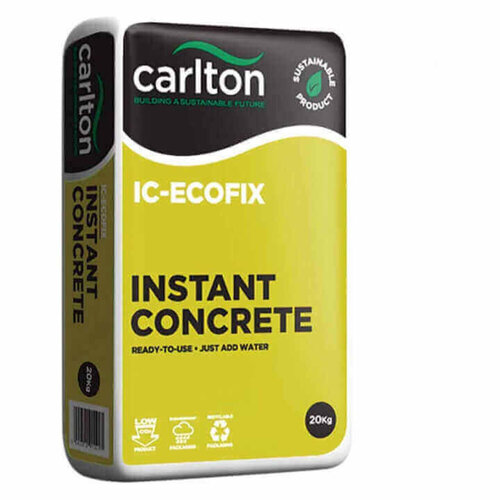
Instant Concrete - 20kg Maxi Bag
Carlton instant concrete in a 20kg maxi bag
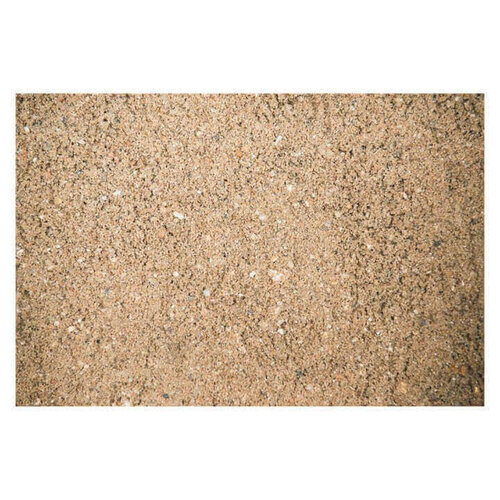
Sharp Concreting Sand - 35kg
35kg bag of sharp concreting sand for mixing concrete
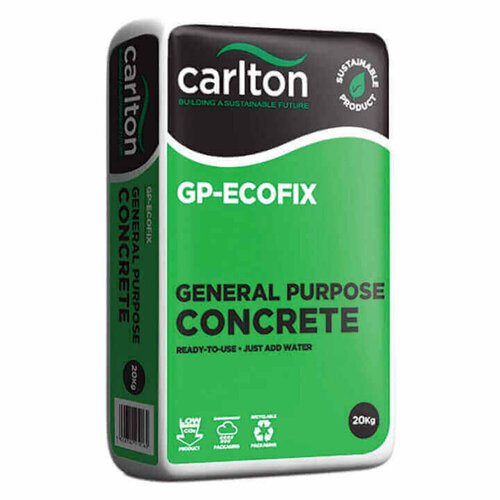
General Purpose Concrete - 20kg
General purpose concrete, 20kg bag
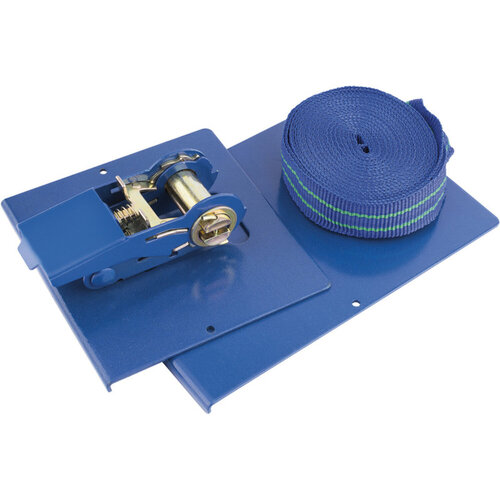
Laminate Tie Down Strap - 5m
5m laminate tie down strap for joining flooring without damage
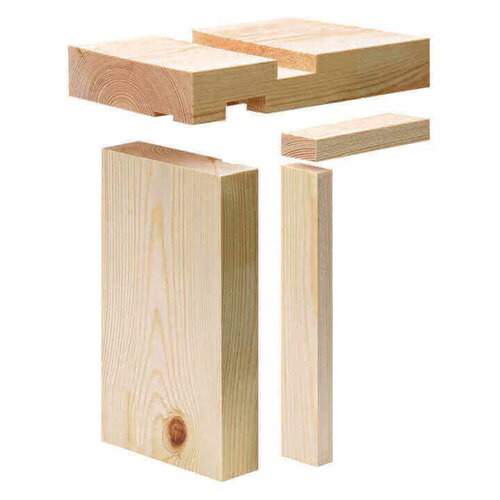
Door Lining Sawn/Metal Stud PEFC - 32mm x 115mm nominal, 27mm x 106mm finished
PEFC door lining, 32x115mm nominal, 27x106mm finished
For the Trade
Start with the space and the use, because that usually decides more than finish or ironmongery. In building & doors, a tight opening, a heavy-use entrance, or a simple internal run all push you in different directions, and that is where the spec changes. If the opening is awkward, you usually favour the option that fits cleanly and keeps the rest of the job moving. If the door will take abuse, you look harder at the build and the hardware, not the colour. The jobs that come back are often the ones where layout was ignored and accessories were chosen first.
Building Supplies
You’re usually sorting the fixings, consumables and general site bits that sit around the main door or build package. The focus is less on finish and more on what has to hold up, what has to match, and what can stay economical.
If you need a narrower buy within this range, Building Supplies is the one to move to. The rest of building & doors covers the actual door or fitting. The common mistake is over-specifying the small stuff and under-specifying the part that takes the wear.
Doors & Door Fittings
When you’re narrowing building & doors down to Doors & Door Fittings, start with what has to move, latch, or close properly. That sets the hardware and the finish.
A plain internal door with light use does not need the same kit as a door under regular traffic. A heavier leaf will show weak hinges quickly. Most call-backs come from matching the door but not the fittings, so check the weight, the swing, and whether you need a cleaner finish or just something that will take the wear.
Dry Lining
Dry lining usually comes down to the finish you need and how much build-up you can afford. On a straight partition or lining, you want boards and accessories that keep joints and fixing points predictable. If the spec is tighter on fire, acoustic or impact, you move up before you start worrying about the last bit of trim.
The sheet is only half the job if the backing and fixings are off. The boards that save time stay flat and cut clean. A wavy face gets noticed long after the room’s handed over.
Drywall
Drywall is the pick when you want a cleaner, faster lining job without the extra build-up of other board types.
It works well where the finish matters and the wall build-up stays straightforward. If the spec needs more from the assembly, you move to a different board rather than forcing this one to cover every job.
Flooring
Flooring comes down to what’s already there and how much height you can lose. On a refurb, you’re usually choosing between a quicker overlay and a board that gives you a flatter base. That changes thresholds, skirtings and the trimming that follows.
In building & doors, flooring sits differently to door and lining work. Level, thickness and finish all pull against each other. Most call-backs come from taking the cheapest sheet without checking the build-up, then finding the finished floor sits proud or feels hollow.
Tiling
Tiling usually comes down to the finish and the wear it needs to take. The first call is whether you need a surface that will hold up under traffic or a quicker decorative finish. Compared with drywall or dry lining, it is less about speed and more about getting the base right. That is where jobs go wrong if the prep is rushed.
If you are pricing building & doors work, tiling often sits with the more exposed areas. Interior doors and building hardware are a different decision altogether. You usually know quickly whether the job needs a straightforward tile spec or something that needs more thought on movement, moisture, and finish.
Choosing Materials and Size
The first split for building & doors is usually material and size, not finish. Solid-core or heavier construction doors suit openings that get regular use. They take more abuse, but they are harder to handle and can add trimming time. Lighter boards are easier to move and quicker to hang, but they will not stand up to the same wear.
For exterior doors, weigh weather exposure, security and frame detail against cost. That spec moves up quickly. For interior doors, the choice is usually about a cleaner look against a tougher build. Get the opening right first. The wrong size or build is what causes the awkward return.
Completing the Setup
Once the main door is chosen, the next call is what finishes it off around the opening. If you need a cleaner reveal, you are into trims, architraves and the right building hardware. On a busier run, choose fittings that will take repeated use rather than the cheapest pack on the shelf.
Where the job meets a lining or stud, the finish usually comes down to what is already there. That is where building & doors work is won or lost - by the parts that stop the call-back, not the door on its own.
Local availability for Building & Doors





















