Cable Clips
Cable clips come down to three things: cable size, fixing surface, and how permanent you want the run to be. Screw fix cable clips give a firmer hold. Self adhesive cable clips suit lighter runs on clean surfaces, but they are the first to fail if the prep is poor. Nail in cable clips are quick on timber, though you give up some control on harder backgrounds. White or black cable clips are mostly about finish, and round or flat profiles matter when the cable shape needs to sit properly.
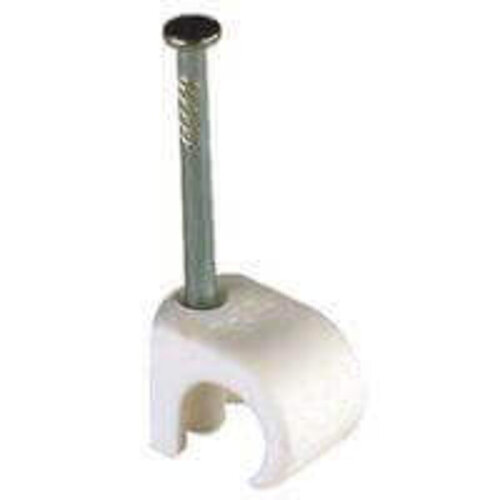
Schneider Electric Round Cable Clip - 10mm - 13mm White 100 Pack
White round cable clip for securing cables 10mm-13mm, 100 pack.
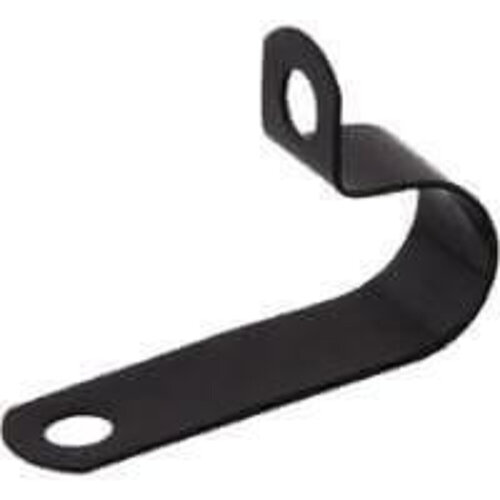
LSZH Copper P Clip - 8.1mm Black 50 Pack
Low smoke zero halogen copper P-clips, 8.1mm, black, 50 pack, highly fire-safe
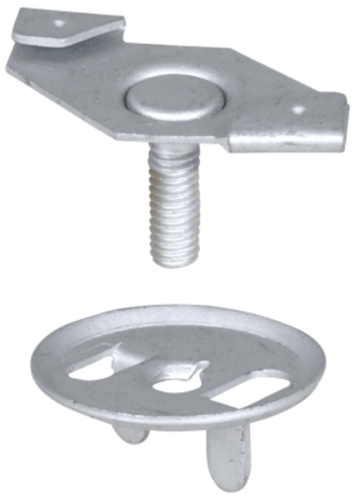
AC25 T Bar/Twist-On Clip - 25mm x 16mm M6
T Bar/twist-on cable clip, 25mm x 16mm, M6 thread.
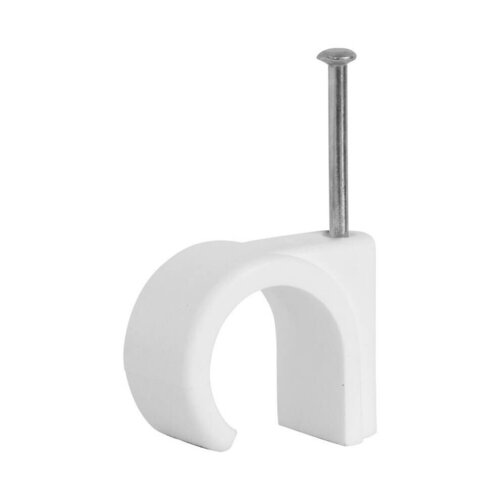
Round Cable Clips 10mm (100) - White
Pack of 100 white 10mm round cable clips.
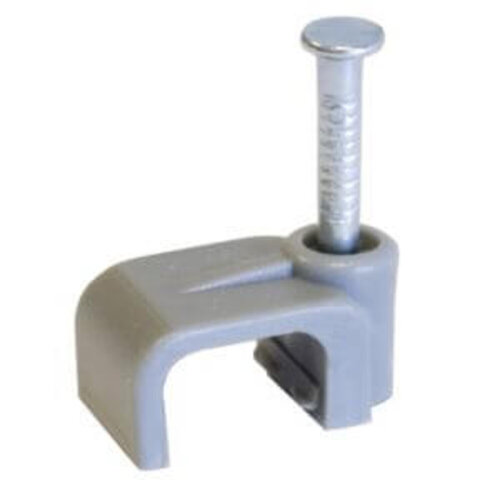
Corelectric Cable Clip - 6mm Grey 100 Pack
Grey 6 mm twin and earth cable clips, pack of 100
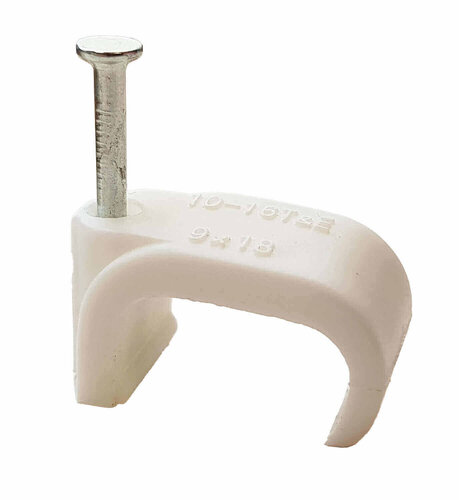
Select Hardware Cable Clips FTE - 10mm White 12 Pack
White cable clips for 10mm cable, pack of 12
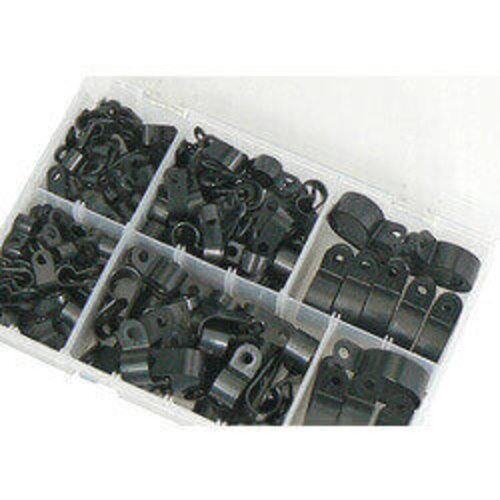
Assorted P Clips Kit Black - 4.8-27.9mm
200-piece black nylon P-clip kit, 6–32mm, in multi-compartment box
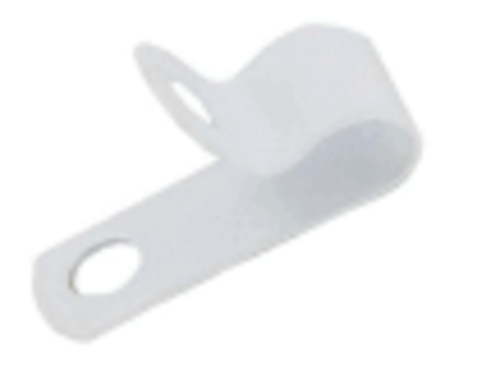
Deligo Pyro Cable Clip - 9mm White
White cable clip for 9mm LSF Pyro cable
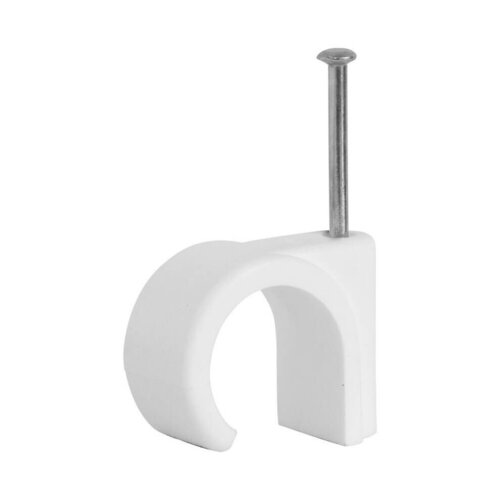
4mm Round Cable Clips - White (100)
Pack of 100 white 4mm round cable clips
Unicrimp Cable Clip - 2 x 4mm box of 100
Box of 100 2mm x 4mm cable clips for flat bell wire
For the Trade
What matters first is the surface, the cable weight, and how much movement you can allow on the job. On rough or dusty backgrounds, cable clips with a mechanical fixing usually save call-backs. On a clean, light run, self adhesive cable clips are quicker, but they are less forgiving if the prep is poor. Nail in cable clips still get used on timber when speed matters. Screw fix cable clips make more sense when you want a firmer hold. Black cable clips are often picked where the finish is visible. Even then, the real call is still grip versus speed.
Cable Clip Types and Layouts
The first call is how permanent the fixing needs to be and what surface you’re on. Self adhesive cable clips suit light runs when you want speed and a tidy finish, but they’re not the one for a poor background or any real pull on the cable.
Nail in cable clips are quicker again on timber and save you drilling, though they’re not the answer when you need a firmer hold. Screw fix cable clips take more time, but they’re the better pick for heavier runs or where the fixing has to stay put.
A cable clip pack makes sense for repeat work. White cable clips are the neater option where the fixing will stay visible. If you’re matching the rest of the job, keep Cable & Cable Management in mind before you settle on the format.
What to Check Before You Buy
Material usually narrows cable clips down once you’ve settled the fixing method. Plastic cable clips are the common pick for ordinary internal runs. They’re light, quick to handle, and fine when you need a neat hold without adding bulk.
If the run is more exposed, or you’re working alongside services that need a firmer, more rigid support, look at Metal Conduit & Accessories instead. The clip is doing a different job there.
For the cable side, check the size and shape against the Cable you’re fixing. Round and flat profiles do not always sit the same, and that is where a lot of call-backs start.
Useful Alongside Cable Clips
Once you’ve picked the clips, the next call is how you finish the run around them. If the cable needs to stay neat and easy to get at, cable management is the usual follow-on. Where you need to keep loose conductors together, cable sleeving does the job. If the run needs proper protection, metal conduit & accessories is the one to look at.
A lot of call-backs start with the wrong finish for the exposure level, not the clip itself.
Related searches
Local availability for Cable Clips












