Cable Connectors
Cable connectors come down to three things: how the joint is made, where it’s going, and how much room you’ve got to work in. Screw cable connectors suit jobs where you want a positive mechanical clamp. Push in cable connectors are quicker when you’re doing repeat work and need to keep moving. If the joint is exposed or likely to see moisture, waterproof cable connectors are the one to reach for. Most call-backs come from using the wrong format, not the wrong cable.
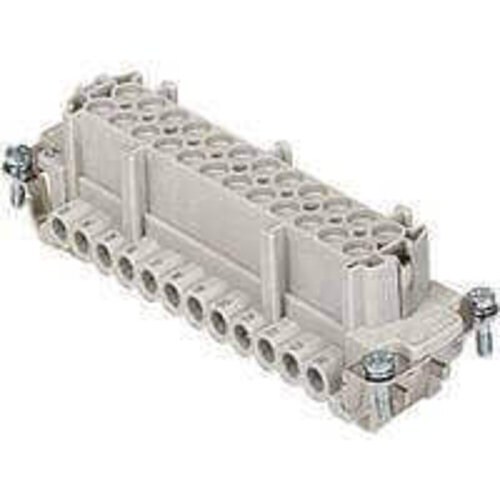
Zilmet Female Insert with Plate, 16A, 24 Pole + Earth, 104.27, 500V, 6KV, Screw …
Zilmet CNE series 24-pole+earth female insert, 16A 500V, screw terminals
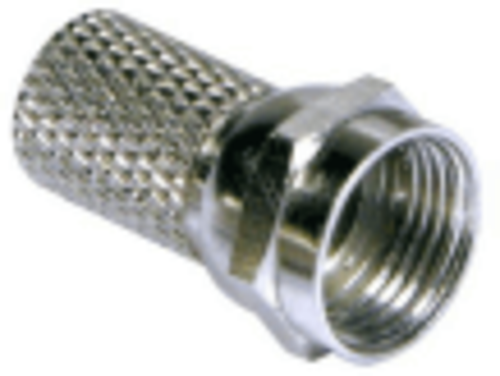
Philex Twist On F RG6G Plug Connector
Twist-on Type F plug connector for RG6G coaxial cable.
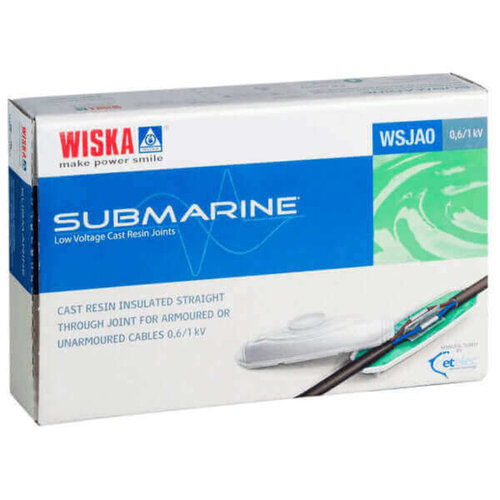
Wiska Submarine Cast Joint 5 Pole Terminal Block & Earthing Kit Resin
Resin joint kit with 5-pole terminal block for 0.6/1kV cables, underground/under…
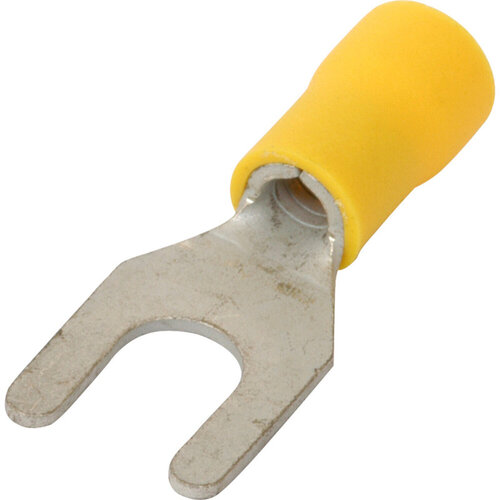
Fork Connectors - 6 x 6.4mm Yellow 100 Pack
6mm yellow fork connectors, pack of 100.
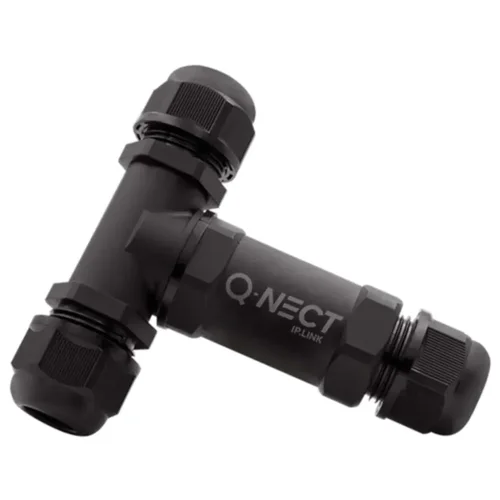
Unicrimp Q Nect T Connector - 5 Pole 2 Way IP68 24A
5-pole 2-way IP68 T-connector, 24A, submersible to 1 metre
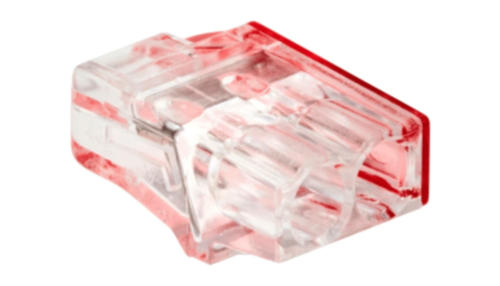
Deta Push-In Wire Connector 24A 2 Wire - 100 Pack
24A 2-wire push-in connector, pack of 100.
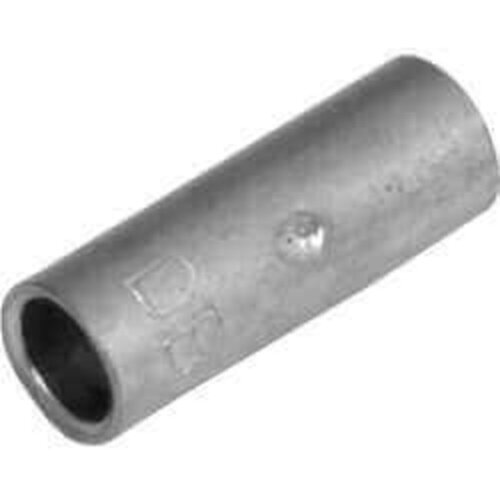
Copper Tube Butt Connectors - 6mm2 10 Pack
Heavy-duty tinned copper butt connectors, 6mm², pack of 10
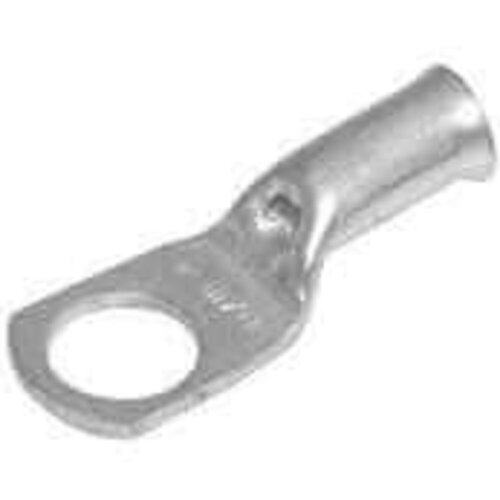
Your Esssentials Copper Uninsulated Cable Lugs Flared Entry - 185mm² 14mm hole
Copper cable lug, 185mm², 14mm hole, uninsulated flared entry
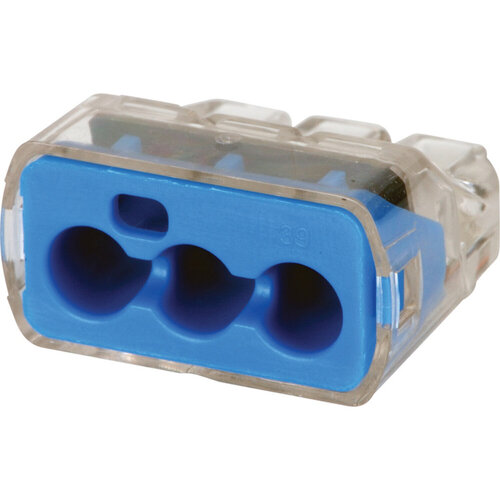
Ideal Industries In-Sure Push-In Wire Connectors - 3 Port 6mm2 30 Pack
Push-in wire connector for 6mm² wiring, 3-port, 30 pack
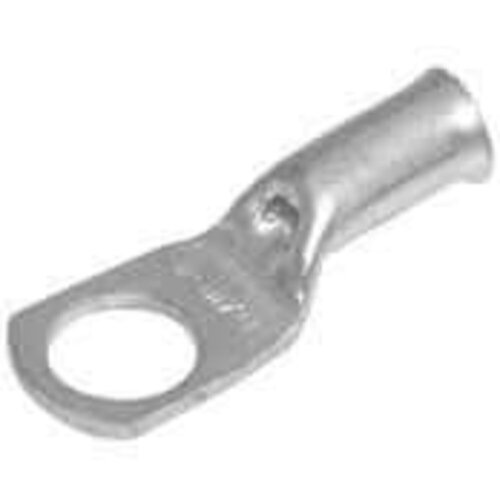
Your Esssentials Copper Uninsulated Cable Lugs Flared Entry - 240mm² - 20mm hole
Uninsulated copper cable lug for 240mm² cable, 20mm stud hole, flared entry.
For the Trade
Start with space and how the joint will be used. That usually rules out half the options before you look at finish or accessory bits. Tight back boxes, awkward trunking runs and cramped enclosures push you towards a slimmer inline cable connector. If you have more room, you can choose the format that is quicker to work with. For repeated terminations, push in cable connectors save time. If you want a firmer mechanical feel, screw cable connectors are still the one many lads reach for. Waterproof cable connectors only make sense where the environment calls for them, not as a default.
Cable Connector Options Compared
Most jobs come down to how the joint needs to sit and how often you’ll make it. Inline cable connectors suit runs where the connection needs to stay slim and sit neatly in line. Cable joiners and cable joining connectors are the broader pick when you just need a straightforward splice.
Push in cable connectors save time on repeat terminations. Screw cable connectors still make sense when you want a firmer mechanical feel and more control. For exposed work, waterproof cable connectors are the safer choice. Anything else risks a comeback. If you’re sorting the rest of the job out, keep the parent range handy in Cable & Cable Management.
Choosing Materials and Size
You’re usually choosing cable connectors on three things: how much room you’ve got, how often you’re making the same joint, and whether the connection needs extra protection. Screw cable connectors suit you when you want a firmer clamp and more control on the termination. Push in cable connectors are quicker when you’re doing repeat work and don’t want to keep reworking the same ends.
Inline cable connectors are the slimmer pick when the joint has to sit neatly in line. You give up a bit of bulk, and sometimes ease of handling. If the run itself is the issue, sort the Cable first. If you’re finishing and securing the route, Cable Clips are usually the next thing that decides how tidy the job stays.
Completing the Setup
Once the connectors are sorted, the next call is usually what finishes the run around them. If you’re keeping cables tidy along the route, cable clips and cable ties are the usual follow-on. If the job needs more protection or a cleaner finish, cable sleeving or metal conduit & accessories is where the money goes.
For exposed joints, glands & grommets matter more than another box of cable connectors. If the circuit needs identifying later, label printing saves time when someone comes back to it. The mistake is buying the jointing gear and leaving the surrounding finish to chance. That is what leads to the call-back.
Related searches
Local availability for Cable Connectors












