Cable Management
If you’re choosing cable management, start with where the run sits and how much access you’ve got. Under-desk and office jobs usually need a neat tray or trunking, while wall and floor runs need something that stays put and won’t get knocked about. A cable management system that fits the route and load will save time without getting in the way.
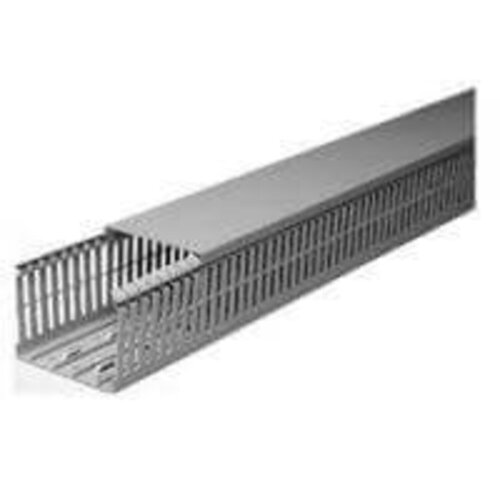
Arnocanali Slotted Trunking - 25mm x 80mm 1m Grey 10 Pack
Grey slotted trunking 25x80mm, 1m, 10-pk, IK08 & UL94-V0

Univolt SFW25/40 Flat Bend - White
White flat bend, model SFW25/40.
Deligo Spacer Bar Saddle - 20mm White
White 20mm PVC-coated spacer bar saddle
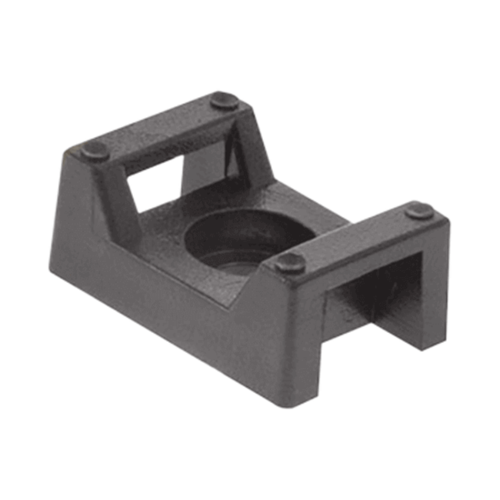
Unicrimp Cradles - Black
Pack of 100 black cable tie cradles with 4.9mm hole, suitable for bolt or self-a…
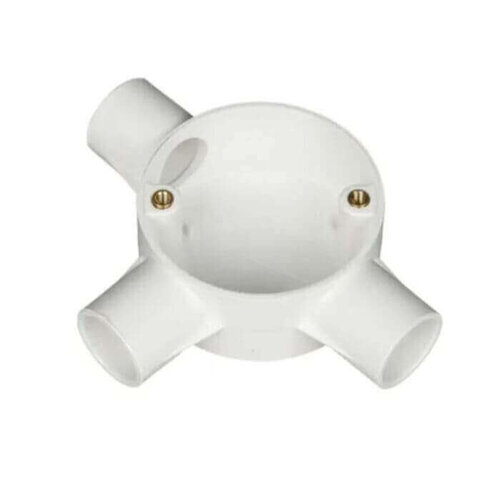
Circular Conduit Tee Box PVC-U - 20mm White
White uPVC circular conduit tee box, 20mm diameter
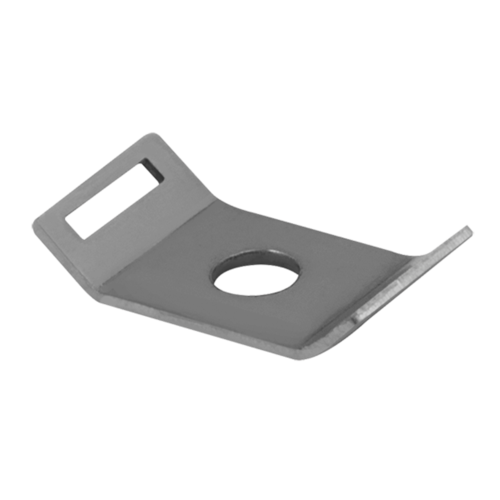
Unicrimp Cable Tie Mount - M6 50 Pack
Unicrimp M6 cable tie mount, pack of 50
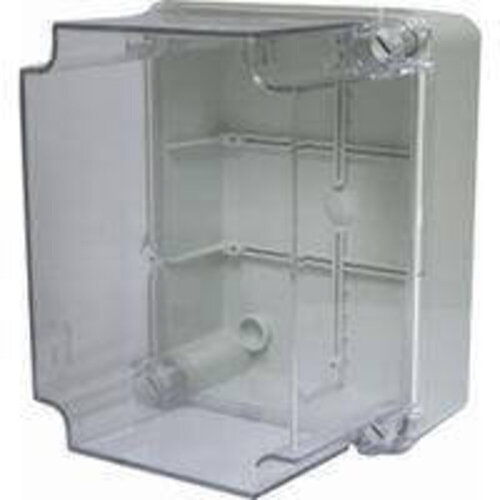
ALI Industries Abs Insulated Adaptable Boxes with Clear Polycarbonate Door IP67 …
IP67 insulated adaptable box with clear polycarbonate door, 260x210x95mm
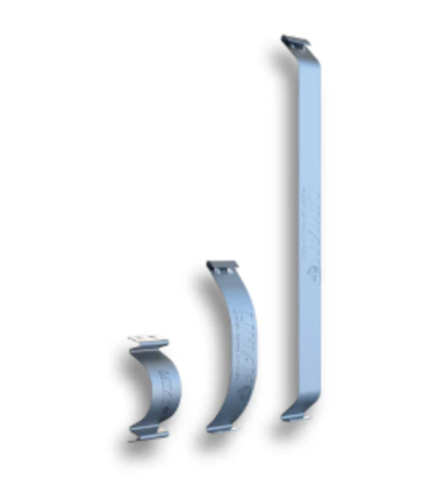
Linian Cable Tray Clip - 75mm 25 Pack
Cable tray clip, 75mm, pack of 25
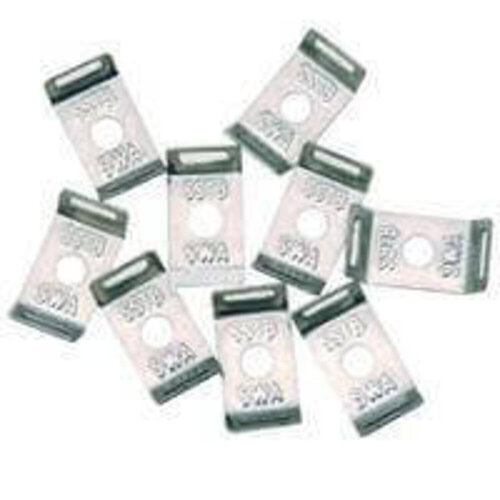
Swann Cable Tie Base - 10mm Stainless steel
Swann 10mm stainless steel cable tie base, IP65 sealed, with earth studs.

D-Line Speedway PVC Conduit Male Adaptor - 25mm Black
25mm black PVC male adaptor for round conduit with locknut
For the Trade
Start with how much space you’ve actually got and how the run needs to be used. That usually decides the shape before you look at finishes or extras. Tight desk work wants something slim and easy to keep aligned. Heavier service runs need a cable management system that stays put and still leaves access where you need it. A cable management tray suits longer under-desk runs where you want cables off the floor. Trunking is the neater call when you need a fixed route and a cleaner face. The jobs that get called back are usually the ones where the layout was guessed rather than measured.
Cable Management Types and Layouts
If the route is fixed, cable management trunking is usually the cleaner call. It keeps the run enclosed and gives you a neater finish.
A cable management tray works better where you want easy access and a bit of flexibility. It leaves the run open, so it is quicker to get back into later.
Duct and raceway are the slimmer options. Use them where bulk is the issue or the run stays visible. You give up room, so they are less forgiving with a messy bundle.
On Cable & Cable Management, the choice usually comes down to access, capacity and how much of the run you want left exposed.
What to Check Before You Buy
For cable management, start with how much of the run needs to stay accessible after handover. If you expect changes, choose a removable cover or open access. It saves time later. If the route is staying put, an enclosed run is usually the cleaner call.
Size matters too. Once power, data and a few extras share the same route, the small profile that looked fine on paper can get tight on site. For terminations and transitions, Cable Connectors are the next buy. If you’re just securing loose runs, Cable Ties usually finish it without overcomplicating things.
Useful Alongside Cable Management
Once you’ve picked the cable management, the next call is what the rest of the fit-out needs to do around it. On desk and office jobs, that usually means screens, grommets and storage so the run does not get pinched by drawers or monitor arms.
Where the route crosses a wall or open floor, trims and finishes help protect the cable and keep the line tidy. If the job needs a cleaner break at the point of entry, cable connectors and glands and grommets stop awkward returns. Cable ties and cable clips still have a place, but only for fixing loose tails, not building the main run.
Related searches
Local availability for Cable Management












