Cable Reels & Extension Leads
When you’re choosing extension leads, start with where they’ll be used and how much kit you’re feeding from them. A cable reel suits longer runs and tidier storage. A fixed multi-socket lead is handier when you want several tools in one spot. For wet or exposed work, move to an outdoor extension lead rather than a light indoor one. If you’re running heavier kit or leaving it in service all day, a heavy duty extension lead is usually the safer call. The usual mistake is buying on socket count alone and ignoring cable length, load and how much abuse it’ll take.
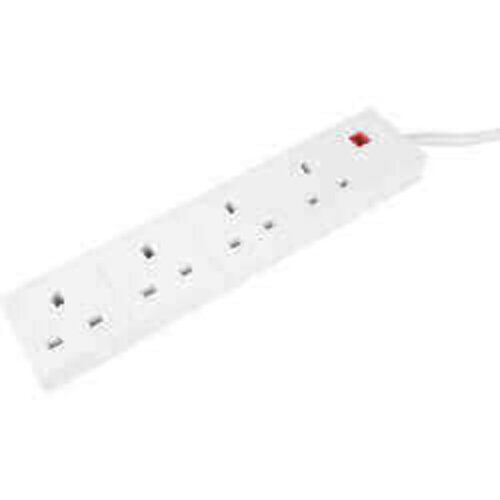
Extension Lead - 4 Gang 5m
4 gang unswitched extension lead, 5m white, 13A IP20
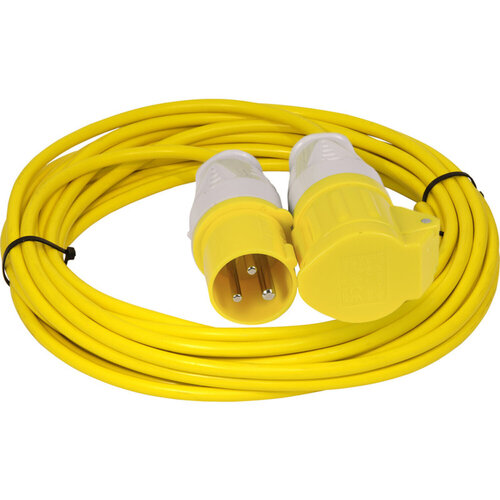
Masterplug 1 Gang 16A Extension Lead - 15m 110V
110V 15m extension lead, 1 gang yellow cable for site use
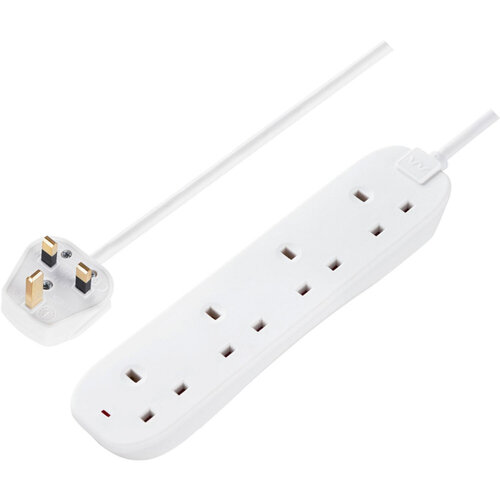
Masterplug Extension Lead - 4 Gang 5m White with LED
4-gang extension lead with 5m cable and LED indicator, white
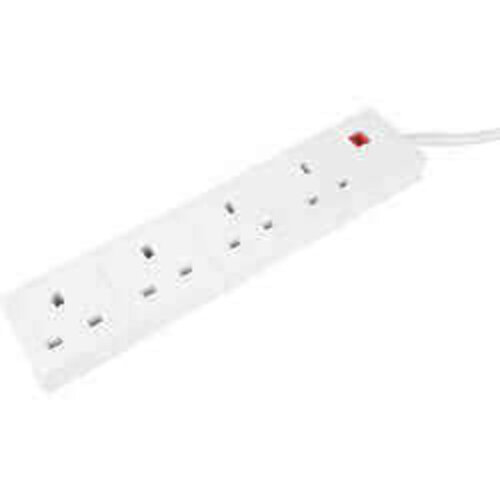
Extension Lead - 4 Gang 2m
4 gang unswitched extension lead, 2m white, 13A IP20
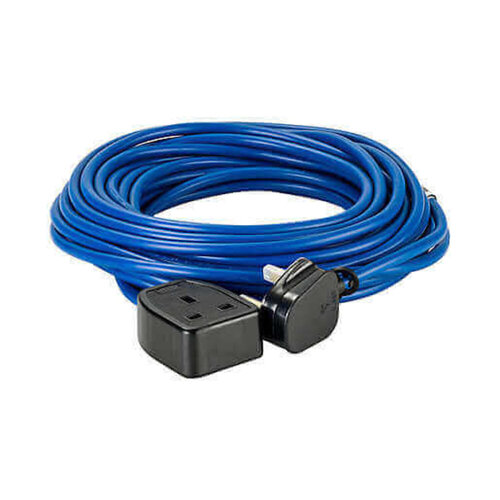
Defender Extension Lead - 14m 1.5mm² 13A 230V blue
14m 1.5mm² 13A 230V blue extension lead with IP44 rating
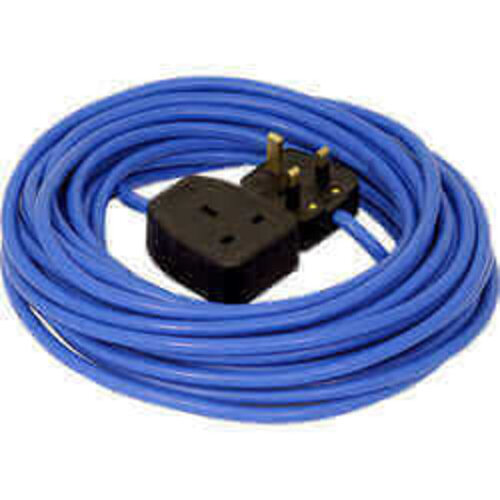
Extension Lead 13A - 230V
13A 1-gang extension lead, 10m arctic cable, blue
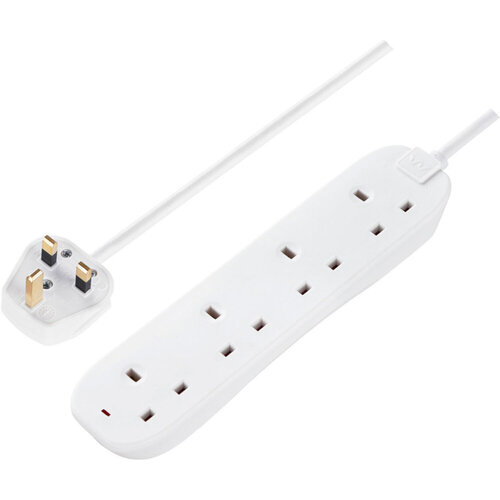
Masterplug Extension Lead - 4 Gang 2m White with LED
4-socket 2m extension lead with LED indicator and safety shutters
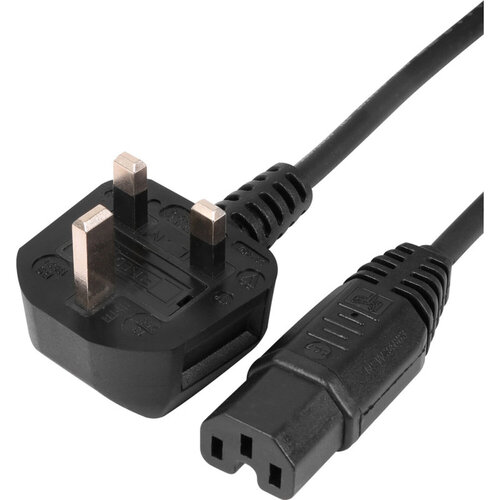
UK Plug to Hot IEC Lead - 2m Black 10A
AVSL 2m UK plug to IEC C13 hot lead, 10A black
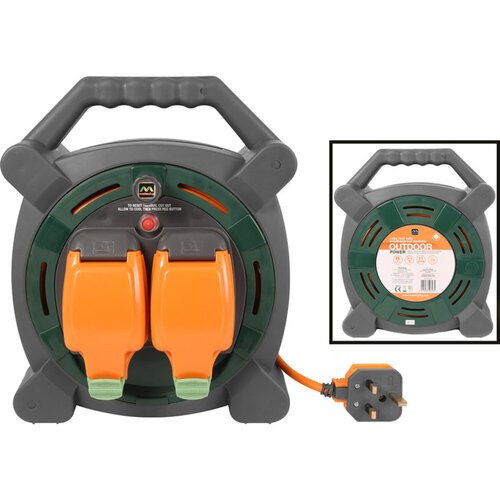
Masterplug 2 Socket 13A IP54 Rated Cable Reel - 20m 240V
20m 240V cable reel with two IP54 rated sockets
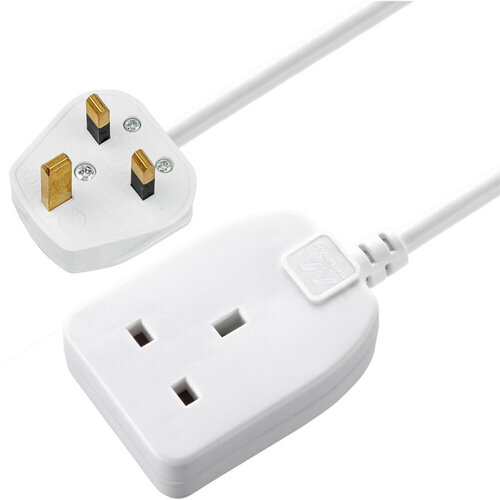
Masterplug Single Socket Extension Lead - 1 Gang 5m White
5m single socket extension lead, white
For the Trade
Start with where it’s going and how it’ll be used, because that usually decides more than the finish or socket count. Tight access, long runs and kit that stays in one place all point you in different directions. A cable reel is a different answer from a fixed lead once you’ve looked at the space properly. If the job is out in the weather or gets dragged about, an outdoor extension lead or heavy duty extension lead is usually the safer call. If it’s only powering lighter kit, you can keep it simpler and cheaper. The call-back jobs are usually the ones where the lead was chosen for convenience, not for the actual load and handling.
Cable Reels & Extension Lead Types and Layouts
The first split is usually between a simple extension lead and a cable reel. A fixed lead suits short, steady runs where you want the sockets in one place and no drum to manage.
A cable reel makes more sense when you need reach and want the cable kept under control between uses. The trade-off is less convenience if it is being moved about all day.
For exposed work, an outdoor extension lead is the one to reach for instead of an indoor lead. A heavy duty extension lead suits kit that draws more and needs a bit more headroom, so you are less likely to trip the supply when the load climbs.
If you need the wider range, the parent Cable & Cable Management section keeps it all together.
What to Check Before You Buy
Socket count is only part of it. With extension leads, you’re usually choosing between reach, load and how much punishment the lead will take.
A cable reel suits longer runs where you want the spare length kept tidy. It is less useful if it stays fully wound under load.
A heavy duty extension lead is the better call when kit runs for hours or draws more. A lighter lead works for short, steady use.
Outside or in a wet area, use an outdoor extension lead rather than trying to make an indoor one do the job. If you also need proper termination or identification at the point of use, look at Glands & Grommets and Label Printing.
Useful Alongside Cable Reels & Extension Leads
Once you’ve picked the lead, the next call is how it will be managed on site. If it stays in one area, you want something that sits neatly and does not get dragged across finishes. If it moves around site, a cable reel stores better and takes less punishment in the van.
Where you are feeding several tools from one point, a 4 way extension lead or 13 amp extension lead is often the pick. You lose the tidy storage you get from a reel. For exposed work, an outdoor extension lead is still the one to reach for before anything lighter.
Related searches
Local availability for Cable Reels & Extension Leads














