Cable Sleeving
Cable sleeving comes down to what you’re protecting and how much movement the run needs. Heat shrink tubing gives a tighter finish where you want the sleeve to grip. Braided cable sleeving suits looms that need flex and a cleaner bundle. Split cable sleeving saves time on existing runs, but you give up some of the neatness and hold you get from a closed sleeve.
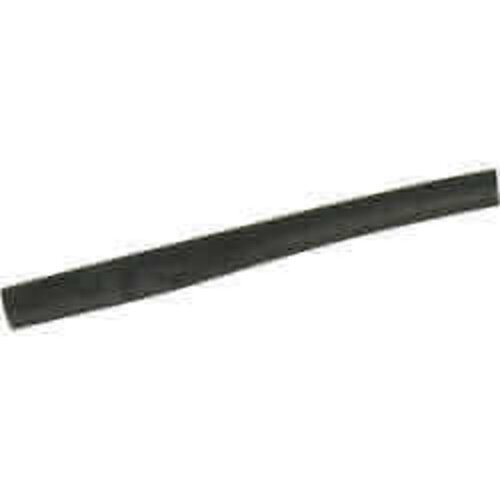
Heat Shrink Tubing - 11.5m x 3.2mm
Heat shrink tubing, 3.2mm diameter, 11.5m length
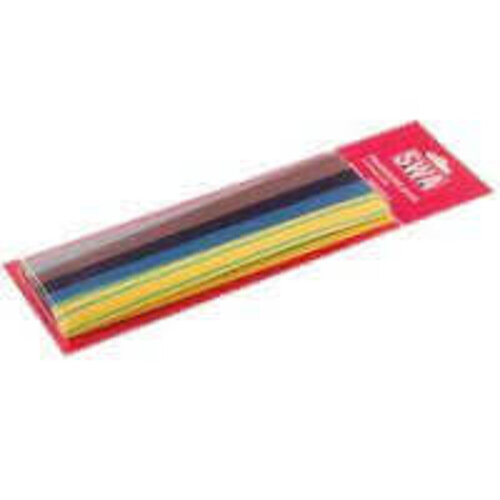
Swann Heatshrink Pack - 9mm x 250mm Black, Blue, Brown, Green/Yellow, Grey
9mm x 250mm heatshrink pack in black, blue, brown, green/yellow and grey.
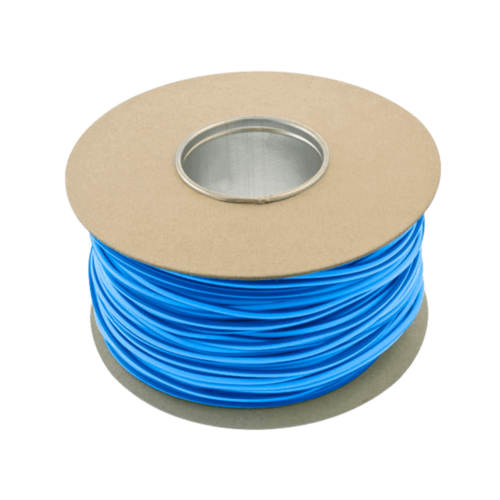
Unicrimp PVC Sleeving - 100m x 4mm blue
100 metre reel of blue 4mm PVC sleeving
Greenbrook PVC Sleeving - 6mm Green/yellow
6mm green and yellow PVC sleeving from Greenbrook
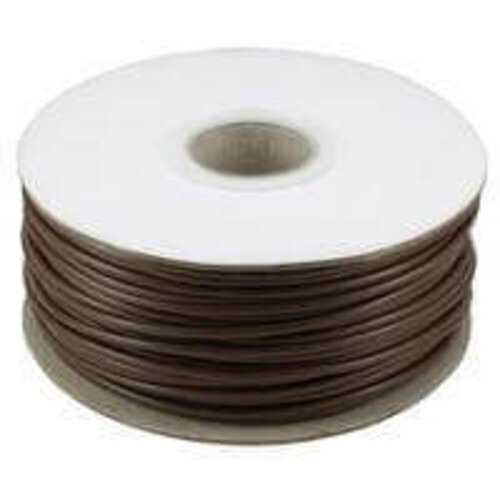
PVC Earth Sleeving - 4mm Brown 100m
4mm brown PVC earth sleeving, 100m reel
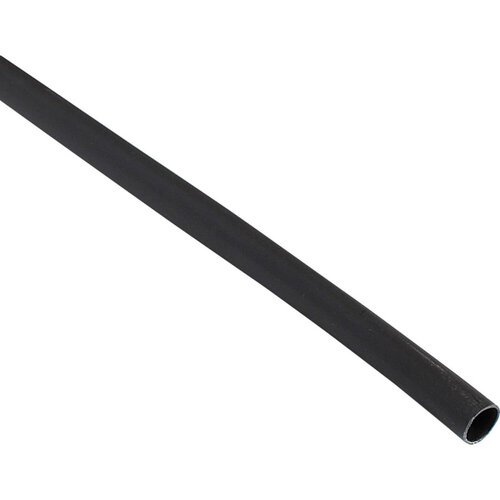
Termination Technology Heat Shrink Tubing - 7.5m x 6.4mm
Black heat shrink tubing, 2:1 ratio, 7.5m length, 6.4mm diameter
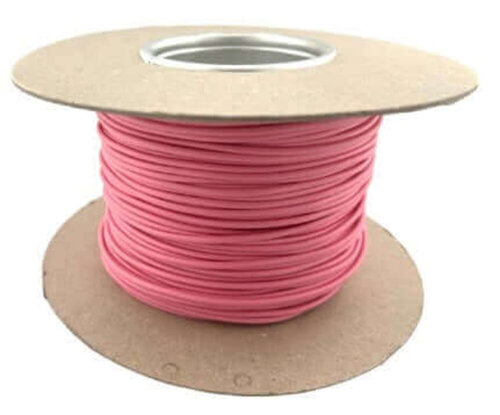
Your Esssentials PVC Earth Sleeving - 2mm Pink 100m Drum
Pink PVC earth sleeving, 2mm, 100m drum for cable insulation
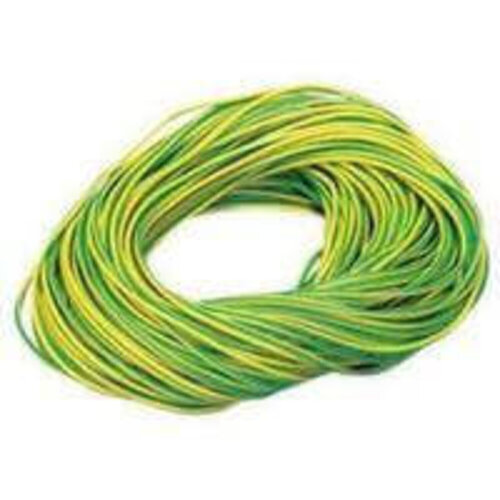
Niglon PVC Earth Sleeving - 4mm Green/Yellow 100m Drum
4mm green/yellow PVC earth sleeving on a 100 metre drum
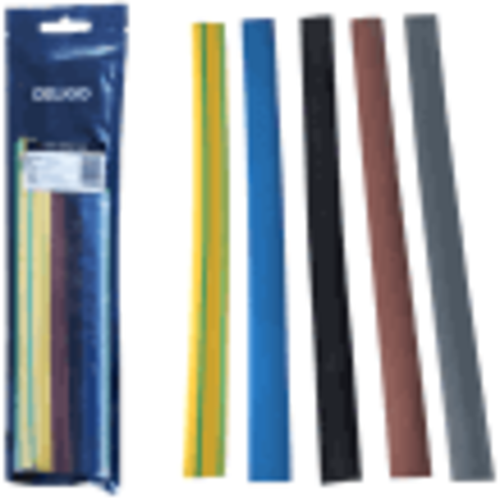
Deligo HSP128 Sleaving - 3mm x 250mm x 5 Coils
Heat shrinkable sleeving, 3 mm x 250 mm, 5 assorted colours
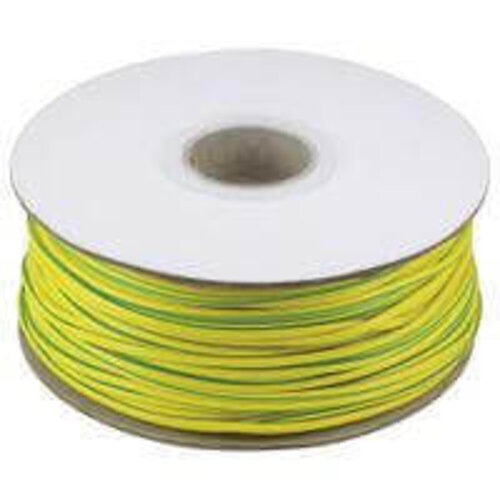
PVC Earth Sleeving - 6mm Green/Yellow 100m
Green and yellow PVC earth sleeving, 6mm x 100m
For the Trade
Start with the space you’ve actually got and how the run will be used, then the choice gets clearer. If you need a neat, fixed finish in a tight area, cable sleeving with a tighter shrink is usually the one to look at. If the loom needs to move or you’re working around an awkward route, braided cable sleeving is generally easier to live with. Split cable sleeving suits an existing run where you don’t want to strip everything back. Most problems start when the sleeve is picked for appearance first and the layout second.
Types of Cable Sleeving
Heat shrink cable sleeving gives the neatest finish when you can work from the end and want it to grip down. It suits runs that need a fixed result, but once it has shrunk, rework is limited.
Braided cable sleeving works better where the loom still needs to flex or you are covering a bundle with awkward branches. It keeps movement, but it will not lock everything down in the same way.
Split cable sleeving is the retrofit option. Use it on awkward runs or where the cable is already in place. It is easier to fit, though the finish is usually less tidy than a closed sleeve.
For the wider Cable & Cable Management job, that choice saves you fitting the wrong type first time.
Selection Factors for Cable Sleeving
The first call is usually finish or access. If you need a tight, fixed result, heat shrink cable sleeving is the one to use. You give up some tolerance on cable size, and it needs more care on the job.
Where the run may need to move, braided cable sleeving is the more forgiving pick. It will not give you the same locked-in finish. Split cable sleeving saves time on existing runs, but it is not the neatest option.
If the cable is going into harsher containment, look at Metal Conduit & Accessories. If you are still choosing the actual run, check Cable first.
Finish the Room
Once you’ve picked the sleeving, the next call is what finishes the run around it.
If the cable crosses exposed areas, you may still need cable clips or cable ties to hold it in place. Where it passes through a panel or enclosure, glands and grommets matter more, because that is where damage usually starts. For longer runs, metal conduit and accessories give you a tougher outer route. Cable management is the cleaner option when you are tidying the visible side of the job.
Related searches
Local availability for Cable Sleeving







