Cable Ties
Cable ties come down to load, exposure and whether you need to undo them later. Standard nylon cable ties cover everyday fixing work, black cable ties are usually picked where UV is a factor, and stainless steel cable ties are the one to use when plastic will not last or the tie is taking more abuse. Releasable cable ties suit jobs that may change, but they are not the same as a permanent lock-off. If the tie is going outside or near heat, the cheap pack usually gets found out.
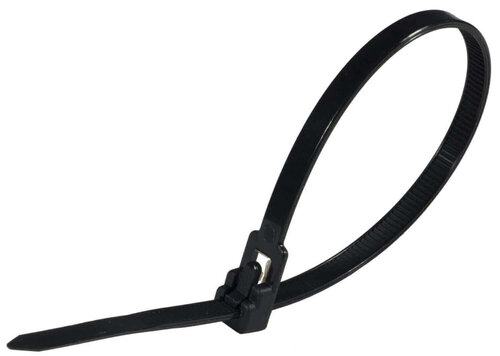
Select Hardware Bonus Bag Reusable Nylon Cable Ties - 200mm Black 15 Pack
15-pack of reusable 200mm black nylon cable ties
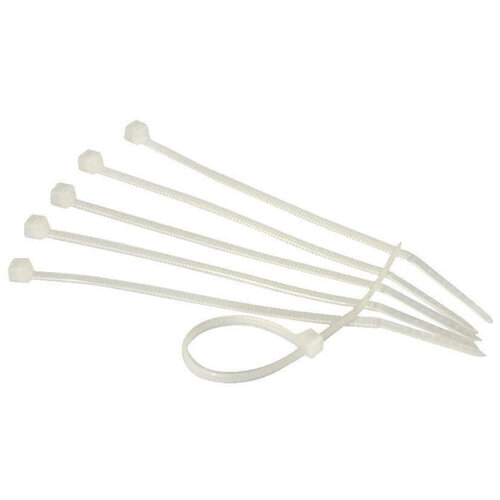
Your Esssentials Cable Ties - 80mm x 2.5mm Natural
Natural nylon cable ties, 80 x 2.5 millimetres, flame resistant
Faithfull Cable Ties - 250mm x 4.8mm White 100 Pack
100-pack of white 250mm x 4.8mm self-locking nylon cable ties
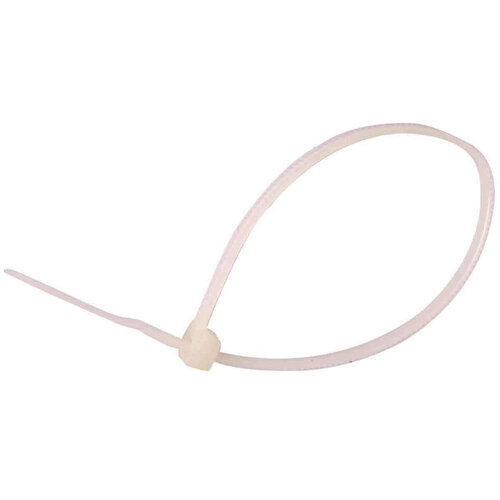
Select Hardware Bonus Bag Cable Ties Self Locking - 18 Pack
Self-locking cable ties for cable management, 18-pack.
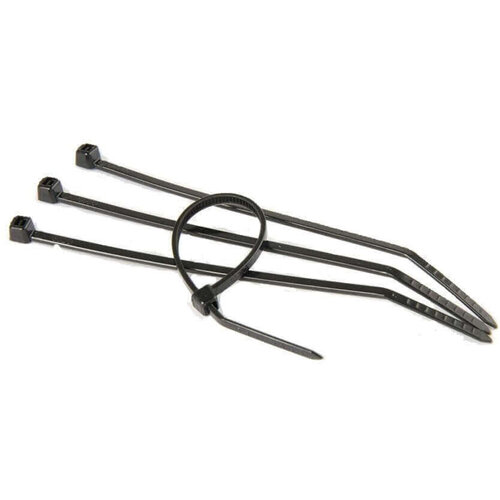
Your Esssentials Cable Ties - 300mm x 4.8mm Black 100 Pack
Black nylon cable ties, 300mm x 4.8mm, flame resistant, 100 pack
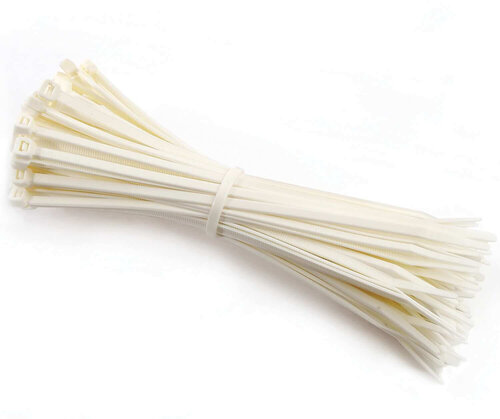
Your Esssentials Cable Ties - 1220mm x 9.0mm natural
Flame-resistant nylon cable tie, 1220mm x 9mm, natural
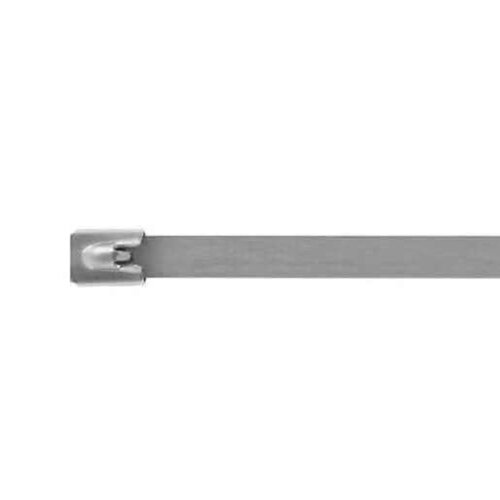
Unicrimp Q-Crimp Q-Fire Roller Ball Cable Ties Stainless Steel - 300mm x 4.6mm
Stainless steel roller ball cable tie, 300mm x 4.6mm
Greenbrook Cable Tie - 300mm x 4.6mm Stainless Steel
Stainless steel cable tie, 300mm x 4.6mm
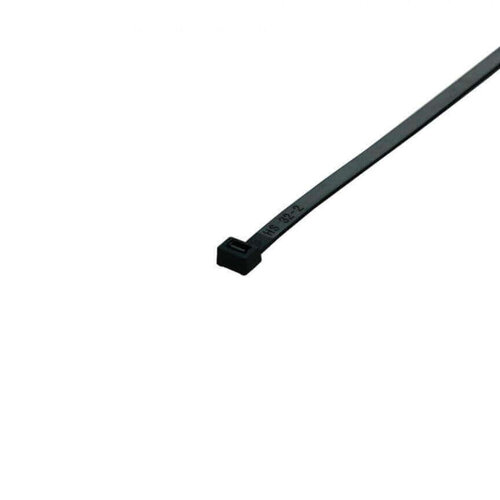
Forgefix Cable Tie - 4.8mm x 300mm Black 100 Pack
Black cable ties, 4.8mm width, 300mm length, pack of 100
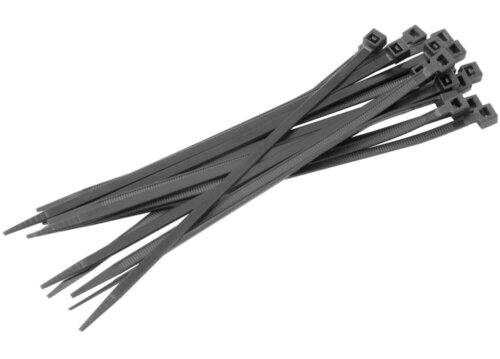
Your Esssentials Cable Ties - 280mm x 4.8mm Black
Black nylon cable ties, 280mm x 4.8mm, flame resistant with high tensile strengt…
For the Trade
Start with what’s holding the job together and whether it needs to come apart again. For quick bundling in dry areas, nylon cable ties are usually the first pick because they’re cheap, fast and easy to carry in bulk. If the tie is staying outside or near heat, black cable ties are the usual call. White cable ties are more often used where the finish needs to stay tidy and visible. When the bundle is heavy, vibrating or exposed for the long term, move to heavy duty cable ties or stainless steel cable ties. Releasable cable ties make sense when you know you’ll be back in, because a locked tie that has to be cut off wastes time.
Cable Tie Types and Layouts
Most cable ties come down to three calls. Do you need a one-way fix? Will you need to open it again later? How much strain will the bundle take?
Nylon cable ties are the everyday choice for general bundling. They go on fast and keep costs down. Heavy duty cable ties suit bigger loads or runs that take more strain, but they are less necessary on lighter work.
Releasable cable ties work better on temporary runs or jobs that change. The trade-off is simple: you get reuse, but not the same locked-off feel as a self locking tie.
Black cable ties are often picked where the finish needs to stay less obvious. White cable ties make the run easier to spot.
If you’re working through a wider Cable & Cable Management job, that’s usually where the tie choice gets set.
What to Check Before You Buy
Plastic cable ties are the usual pick for everyday bundling. They’re quick to fit, light to carry and easy to use in volume. They do the job well on straightforward runs, but they are not the best choice for heat, vibration or long exposure.
Stainless steel cable ties suit harder daily use where the fixing needs a firmer finish. They hold up better on tougher sites, but you pay for that in weight and handling. They are heavier to carry and less forgiving in the hand. If the run is going into Metal Conduit & Accessories, that usually points you towards the tougher option. If it’s just holding Cable neatly in place, plastic is usually enough.
Useful Alongside Cable Ties
Once you’ve picked the cable ties, the next call is what’s going around them. If the run needs more protection, you’re into cable sleeving or metal conduit rather than just adding more ties.
Where you’re fixing to a surface, cable clips are the cleaner answer. For terminations or joins, you’ll be looking at cable connectors or crimps instead. On a rougher job, check the entry points too. Glands and grommets keep the finish tidy and help stop sharp edges chewing through the cable.
Related searches
Local availability for Cable Ties















