Crimps
Crimps come down to two things: the conductor size you’re working with and the finish the job needs. Insulated versions are usually the quick pick for general terminations, while uninsulated types suit tighter spaces or a more compact connection. Ring crimps hold where the fixing must stay put. Spade and fork styles make removal easier later. If you’re matching existing work, check the format first - that’s where most call-backs start.
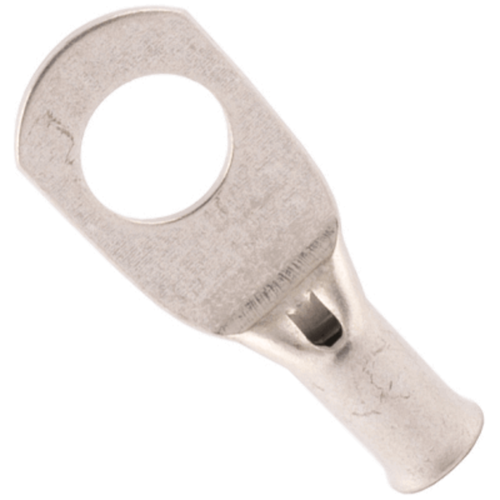
SWA Copper Tube Terminal - 35-8mm
SWA copper tube terminal, 35-8mm, for electrical connections
Your Esssentials Copper Uninsulated Cable Lugs Flared Entry - 6mm² x 4mm hole
Copper uninsulated cable lugs, 6mm² x 4mm, pack of 10
Flared Entry Cable Lug - M10 120mm²
Flared entry cable lug for M10 stud/bolt connections, 120mm² cable
Uninsulated Flared Entry Cable Butt Connector - 120mm²
Uninsulated 120mm² butt connector with flared entry for cable joining
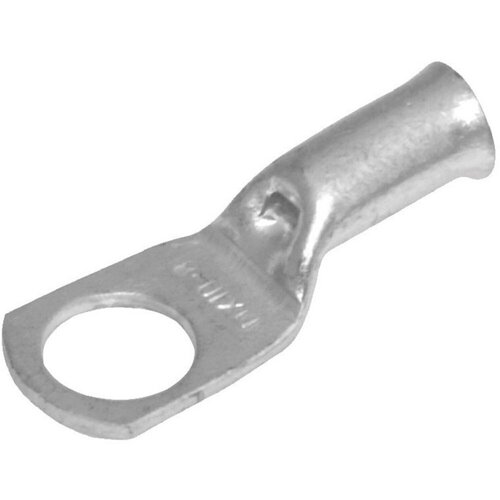
Your Esssentials Flared Entry Cable Lug - M20 150mm²
M20 flared entry cable lug for 150mm² conductor.
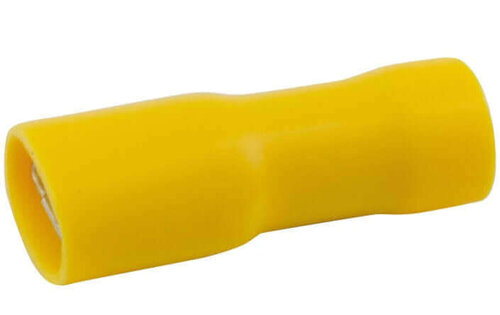
Your Esssentials Insulated Crimp Terminal Fully Insulated Female Spade - 6.3mm Y…
Yellow insulated female spade crimp terminal, 6.3mm
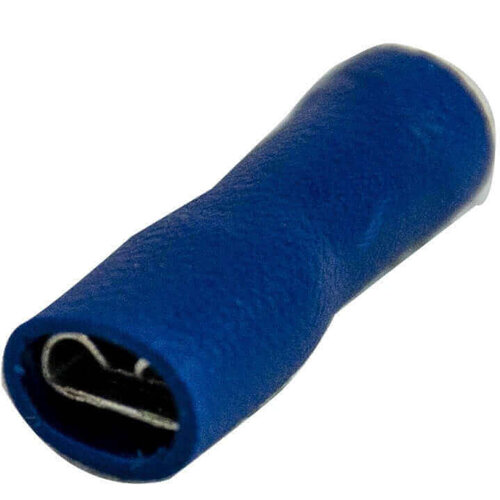
Your Esssentials Insulated Female Spade Terminal - 4.8mm Blue
Insulated female spade terminal, 4.8mm, blue
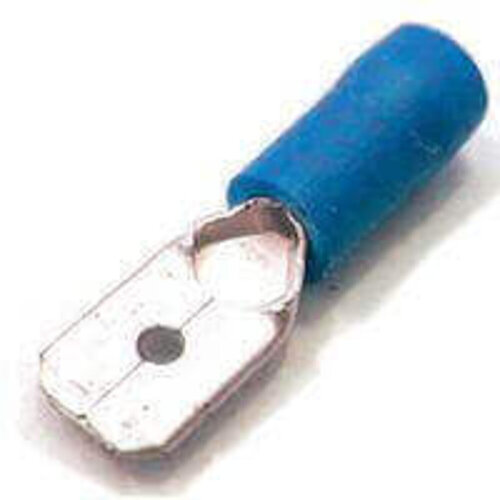
Insulated Male Spade Crimp Terminal - 6.35mm 1.5mm²-2.5mm² blue 100 Pack 15A
Blue 6.35mm male spade crimp terminal, pack of 100, 15A.
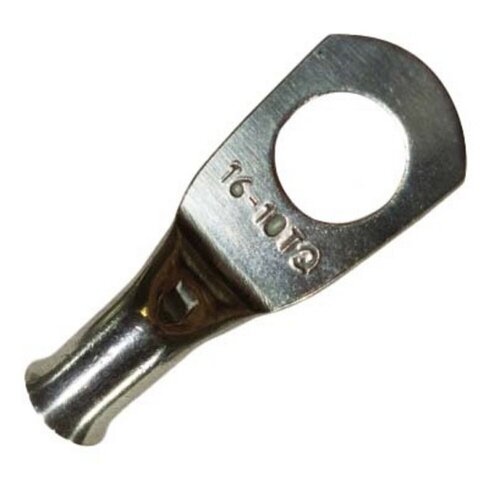
SWA Tube Terminal - 185mm M12 Copper
185mm copper tube terminal with M12 stud hole, fully annealed for optimal ductil…
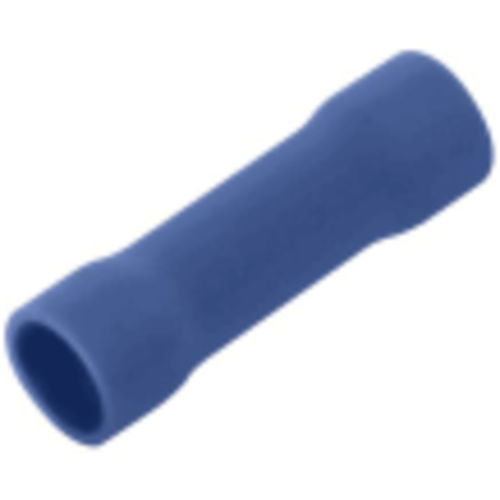
Unicrimp QBB Terminal Butt Connector - Blue 100 Pack
Pre-insulated blue butt connector terminal, pack of 100
For the Trade
Start with the space you’ve got and how the connection needs to sit. In a crowded enclosure or tight panel, smaller crimps save grief because bulky sleeves and oversized barrels get in the way. If the termination may be disturbed, pick a form that stays put. If it needs to come off again, choose the layout that gives you access without fighting the fixing. Most call-backs I’ve seen come from the wrong size or a poor match to the job, not the crimp itself.
Crimp Options Compared
Insulated and uninsulated crimps are usually the first split. Insulated versions suit quicker general terminations, with the sleeve taking some of the strain. Uninsulated crimps are the neater choice when space is tight or you are finishing inside a panel.
After that, the terminal shape does the real sorting. Ring crimps hold the fixing in place. Spade or fork crimps make more sense when you may need to lift the connection again. Cable crimps, wire crimps and electrical crimps are the main formats you are choosing between, and crimp connectors are the broader label when you want a straight join rather than a fixed terminal. If you are matching a job out across Cable & Cable Management, that is the point to narrow it down. The wrong layout usually causes the comeback, not the crimp itself.
Choosing Materials and Size
Start with conductor size and the finish you need. Then check how much room you’ve got, and whether the joint needs to stay fixed or come off again.
Insulated crimps give quicker identification and a bit of protection around the barrel. Uninsulated types suit tighter spaces or a neater assembly where every millimetre matters.
Ring crimps stay put on a fixed point. Spade crimps make more sense when the connection may need to come off later.
If the job sits in conduit or a tighter run, Metal Conduit & Accessories can push you towards slimmer terminals. Check Cable before you order as well. A poor match there is what usually brings the call-back, not the crimp.
Completing the Setup
Once you’ve picked the crimps, the next call is what finishes the run and keeps the job tidy. If the cable is still exposed, you are usually into cable management, cable sleeving or cable ties rather than more connectors.
Where the run passes through metalwork, glands and grommets matter more than another terminal. On bigger jobs, label printing saves time at test and handover, and electrical tape still gets used for marking and dressing. Most of the comeback comes from the surrounding finish being left loose, not the crimp itself.
Related searches
Local availability for Crimps







