Earthing
Earthing usually comes down to what you’re bonding, how much flex you need, and whether the job needs a straight lead, a strap, or a clamp-up connection. Heavier earthing cable or earth wire suits longer runs and tougher handling, while an earthing strap works better where movement or tight bends are the issue. If the connection point is awkward or the finish matters, the clamp choice often decides how cleanly the job lands - loose terminations are the ones that come back.
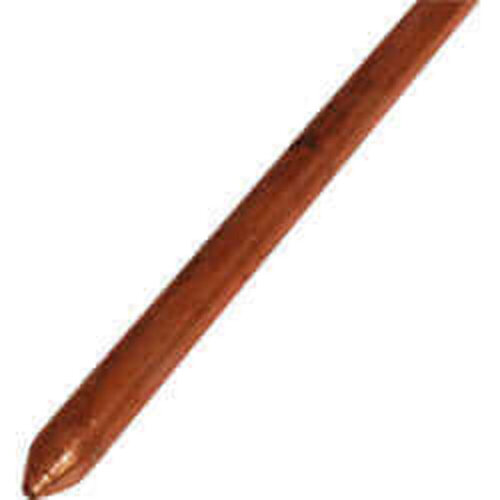
Earthing - 3/8" 4' Earth Rod
3/8" 4' earth rod with copper finish for earthing
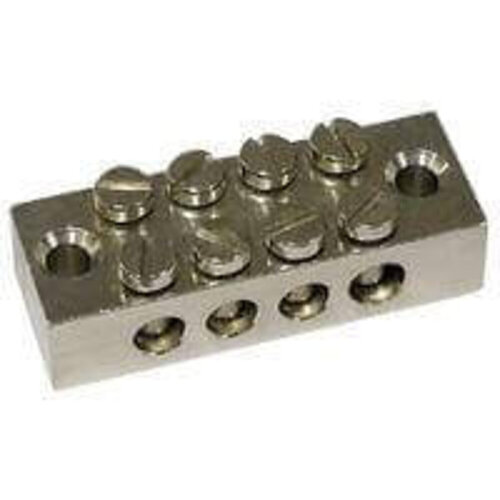
Earth Block 4 Way - Brass
Brass earth block with 4 connection ways
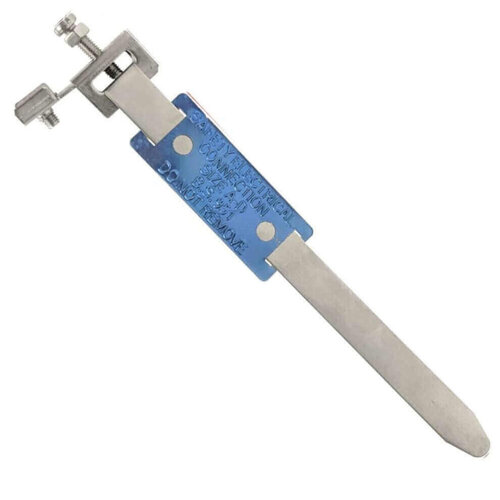
Deligo EC15 Earth Clamp
Earth clamp suitable for all conditions
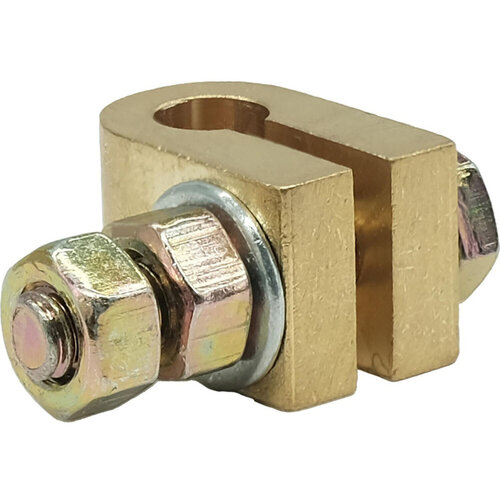
Tower Earth Clamp - 3/8"
Brass earth clamp for 5/8" rods, accepts lug with 8mm hole
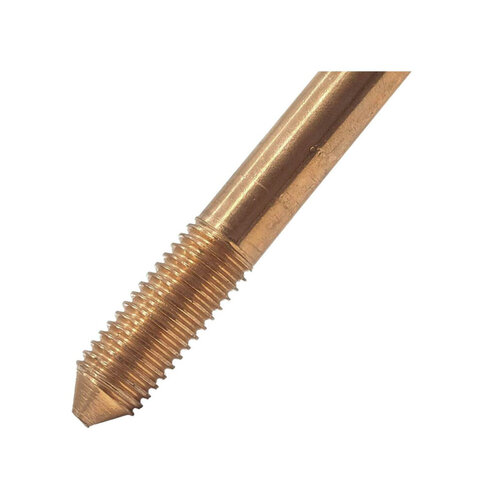
Tower Earth Rod - 5/8" x 1200mm
5/8" x 1200mm copper-coated steel earth rod, BS 7430 compliant
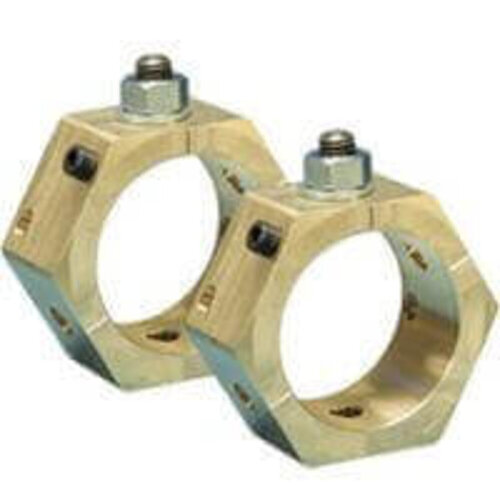
Wiska Earthing Nut - M25 Brass
Brass earthing nut M25, for WIB Enclosures & COMBI 1010, pack of 4
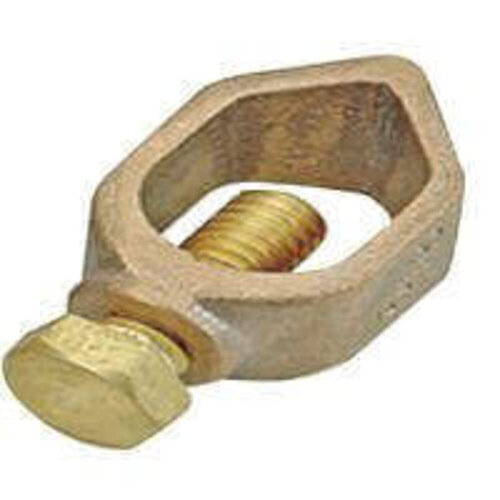
Earth Rod Cable Clamp - 5/8" 16mm Brass
Brass earth rod cable clamp for 5/8 inch rods, 16mm
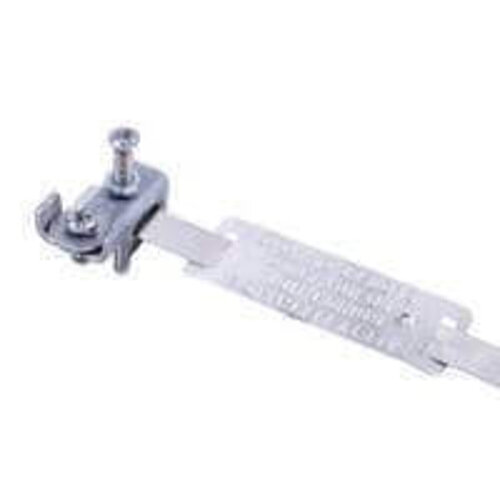
Niglon Dry Condition Earth Clamp - 50 to 75mm
Dry condition earth clamp for 50 to 75 millimetre connections.
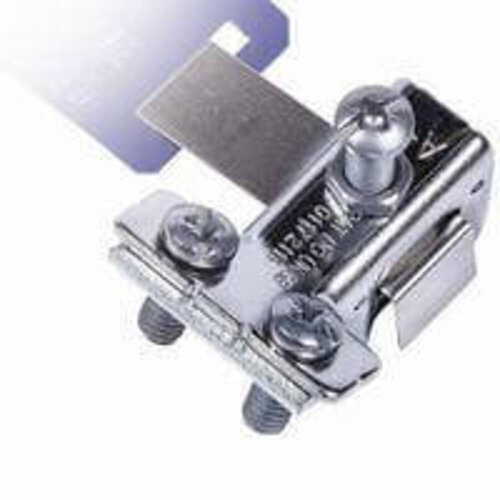
Niglon Damp Condition Earth Clamp Green Coded - 12-32mm A-E max conductor 2 x 16…
Green-coded damp condition earth clamp, 12-32mm
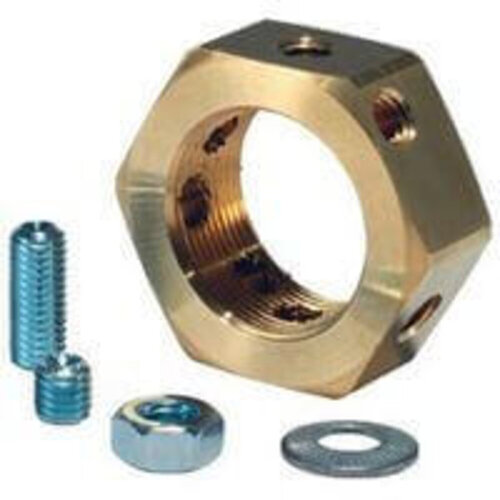
Swann Brass Earthing Nut with Grub Screw - 32mm 2 Pack
32mm brass earthing nut with grub screw, 2-pack, for protective earthing without…
For the Trade
Start with the space you’ve got and how the run will be used, then the rest of the earthing choice gets easier. A neat, fixed connection in a straight run usually points you towards standard earthing cable or earth wire. A moving point, awkward bend or tight access may call for an earthing strap or earthing lead instead. Jobs go wrong when the connection is chosen for convenience rather than the layout. That’s where strain and poor contact show up later. If you’re bonding rather than just taking a simple run, the clamp and conductor need to suit the point you’re fixing to, not the other way round.
Popular Earthing Formats
Earthing cable or earthing wire is the usual pick for a fixed run. You get a clean connection and less fuss at the terminations. The trade-off is simple - it gives you less room to adjust if the route changes or the point moves.
An earthing strap suits equipment that shifts, vibrates or needs a bit of flex. It holds up better where a rigid run would be the first thing to fail.
An earthing lead works when you need a short, direct link. An earthing clamp comes into play when the connection point is the problem, not the cable itself. Get the wrong clamp and you end up reworking the job.
For the rest of the Cable & Cable Management range, the same rule applies. Match the format to the movement, access and fixing point, not just the label.
Key Differences When Choosing
What usually decides it is the connection point and how much movement you’re dealing with. For a fixed run, earthing cable or earth wire is usually the cleaner buy because it gives you a straightforward path and less to worry about at the fixings.
Where the connection needs to flex, an earthing strap is the better fit, though you give up a bit of neatness. For a short link or a tight termination, an earthing lead keeps the job simple.
When the connection point is awkward or you’re tying into metalwork, the right earthing clamp matters more than the length of the conductor. If you’re working alongside Metal Conduit & Accessories, check the fixing method first. If it’s part of a broader run, Cable is the next place to compare.
Next Decisions After Choosing
Once you’ve picked the main earthing item, the next call is usually the connection point and the finish around it.
A poor clamp or a lead that’s too rigid for the run can hold the job up, so check the route before you order the rest. If the cable’s being boxed in or kept tidy with other cabling, look at the surrounding cable management and any metal conduit and accessories at the same time. That’s where you avoid a second trip back for a missing fixing or a bend the cable won’t take.
Related searches
Local availability for Earthing












