Electrical Tape
Electrical tape usually comes down to what you’re marking, bundling or insulating, and how much stretch and tack you need from it. Standard PVC tape suits most everyday jobs. Self amalgamating tape works better where you need a tighter, sealed wrap and don’t want the adhesive to be the weak point. Colour matters too if you’re identifying phases or circuits, and black is still the default when you want a neat finish.
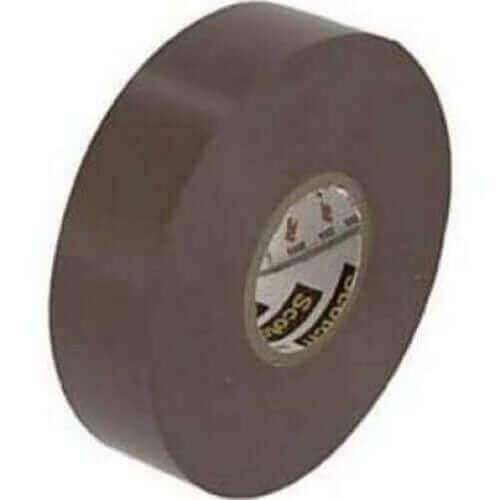
Ultratape PVC Insulating Tape - 19mm x 20mm Brown
Brown PVC tape for electrical wire repair and connection
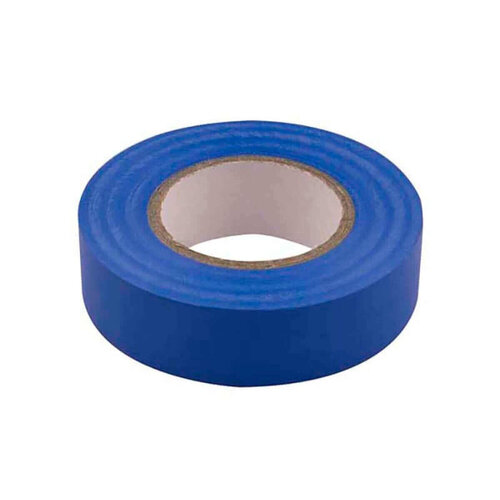
Unicrimp Tape - 19mm x 33m Blue
Blue PVC electrical tape, 19 millimetres wide x 33 metres long, flame retardant.

Ultratape Electrical Insulating Tape - 19mm x 33m White
White PVC electrical insulating tape, 19mm x 33m, BS3924
BG Electrical Insulation Tape - 20m Red
Red electrical insulation tape, 20 metres long

PVC Tape - 19mm x 20m Yellow
Yellow PVC tape, 19mm wide, 20m roll

Ultratape Insulating Tape - 19mm x 20m Blue
Blue PVC insulation tape, 19 mm x 20 m, for electrical application
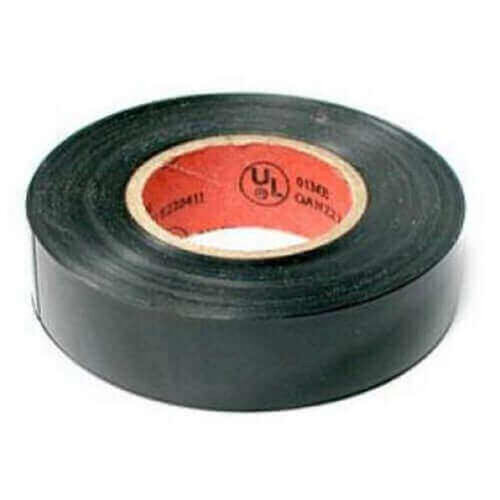
Ultratape PVC Insulating Tape - 19mm x 20mm Black
Black PVC insulating tape 19 mm wide by 20 m long
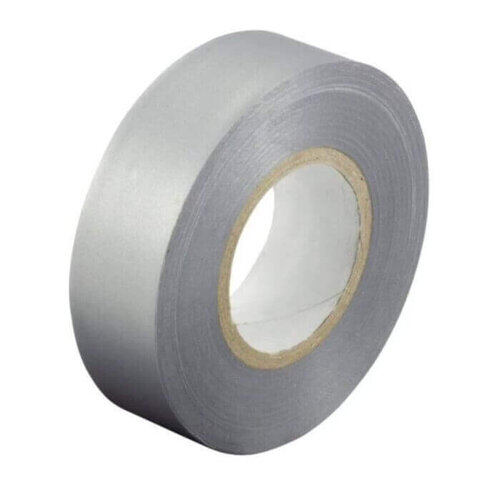
PVC Tape - 19mm x 20m Grey
Grey PVC tape 19mm x 20m
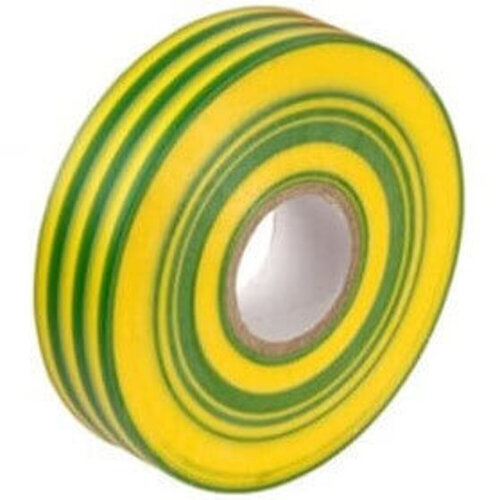
PVC Electrical Tape 19mm x 33mtr - Green/Yellow
Green/yellow flame-retardant PVC electrical tape, 19mm x 33m
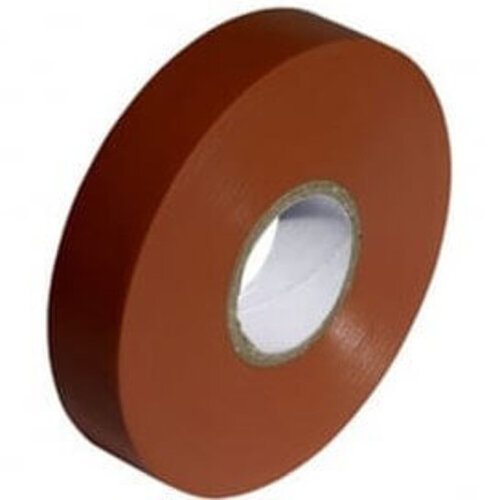
PVC Electrical Tape 19mm x 33mtr - Brown
Brown PVC electrical tape, 19mm x 33m, flame retardant to BS EN 60454
For the Trade
You’re usually choosing electrical tape on three things: how much stretch and tack you want, whether the wrap needs to stay put, and how neat the finish has to be. For quick everyday work, a decent PVC tape is the one most lads reach for because it handles well and winds cleanly. If the job needs a tighter sealed wrap, self amalgamating tape is the better call, but you lose the easy repositioning you get with standard tape. Colour comes down to marking and identification, not just looks. Black electrical tape is still the common default on site.
Electrical Tape Types and Layouts
Most jobs come down to whether you want a general-purpose wrap or something that seals on itself. Electrical insulation tape is the usual pick for day-to-day work because it’s quick to apply and easy to finish neatly. Self amalgamating tape makes more sense where you need a tighter seal and don’t want the edge lifting later.
Trade electrical tape is the label you’ll see on the more workmanlike rolls. Reach for it when you want decent handling without paying for anything fancy. Colour is mainly for identification. Black is the default. White suits a cleaner match. Red or blue help when you need to mark circuits or phases clearly.
If you’re building out a wider job list, keep the rest of your consumables in Cable & Cable Management.
What to Check Before You Buy
Material is the first call. PVC electrical tape is the everyday pick because it handles well, wraps cleanly, and is usually the easiest to work with when you’re doing a lot of terminations or marking up a run.
Self amalgamating tape suits jobs that need a tighter, sealed wrap and less chance of the edge lifting. The trade-off is simple: it gives a firmer finish, but it’s less forgiving when you want something quick and neat.
Colour is mainly for identification. Black electrical tape is still the common choice. White and the brighter colours come in when the marking needs to stand out. If the job is more about containment and protection than a simple wrap, look at Metal Conduit & Accessories; if you’re matching the tape to a new run, Cable is the other decision that usually changes what you buy.
Useful Alongside Electrical Tape
Once you’ve picked the electrical tape, the next call is usually what’s going around it. If you’re tidying a run, cable clips and cable ties do the holding. Cable sleeving gives you a neater finish when you want a bundled run rather than a wrapped joint.
For terminations and repairs in tighter spaces, cable connectors and crimps are often what keep the job tidy first time. Where the cable passes through metalwork, glands and grommets matter more than another roll of tape. If the route needs proper protection, metal conduit and the right accessories are the step up.
Related searches
Local availability for Electrical Tape













