Glands & Grommets
Glands and grommets come down to two things: how the cable enters and what the opening needs to do once it’s in. If you need a sealed entry, you’re into cable glands. If you’re protecting the edge of a panel or box, cable grommets are usually the neater, cheaper answer. Brass cable glands suit fittings that take more abuse or need a firmer lock-up. Plastic versions work well for lighter duty and quicker jobs. The usual mistake is buying on thread size alone, then finding the cable or panel detail doesn’t suit.
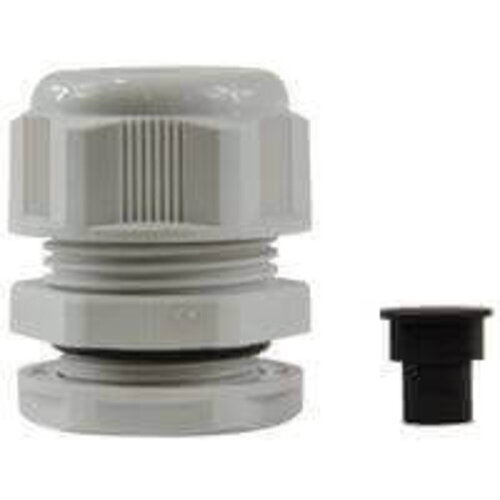
Flat Form Gland - 2 x 2.5-4.0mm Grey 5 Pack
M25 flat form cable gland, 2.5-4.0mm cable, grey, 5 pack.
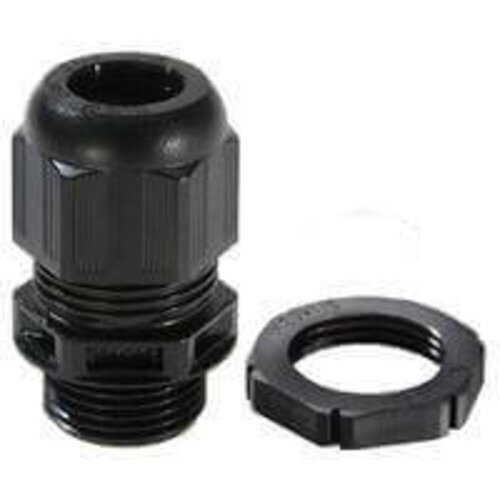
Wiska Sprint ESKV Cable Gland Pack - M40 16mm - 28mm polyamide black
M40 polyamide cable gland pack suitable for 16mm to 28mm cables
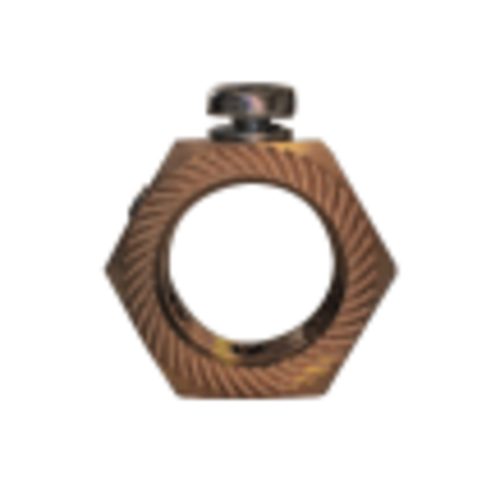
Deligo EN Cable Gland Earth Nut - 25mm
25 mm gold earth nut for cable gland earthing
ALI Industries IP40 Polypropylene Contractor Pack - 25mm x 10m White 10 Glands &…
IP40 polypropylene contractor pack with 10 glands and locknuts, white
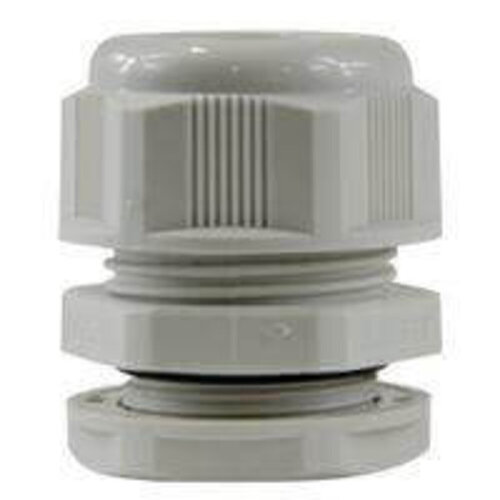
Flat Form Gland - 1 x 10mm Grey 2 Pack
Grey flat form gland, 10 millimetres, 2 pack
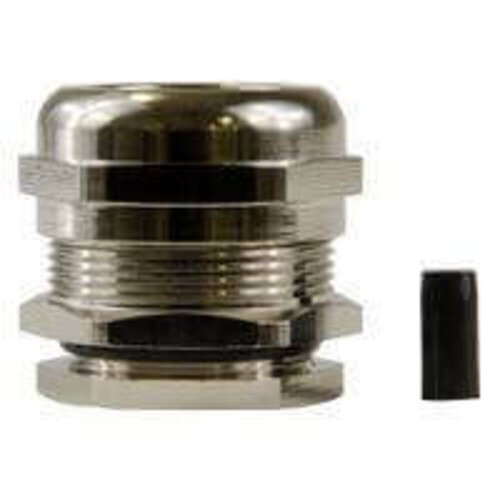
Flat Form Gland - 2 x 25mm & 1 x 16mm Brass
Brass flat form gland with 3 entries: 2x25mm & 1x16mm
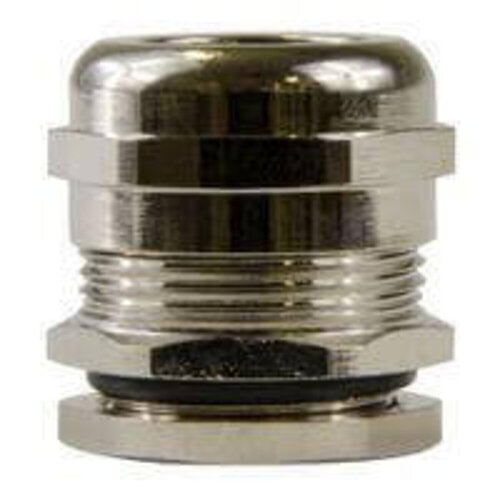
Flat Form Gland - 10mm Brass 2 Pack
Brass flat form gland M25 thread, 10mm cable entry, 2-pack
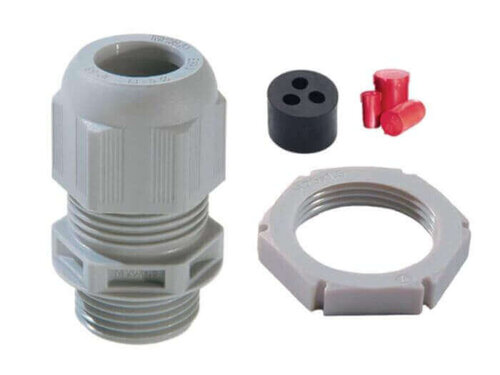
Wiska TKE/P32 Cable Gland Plastic Earth Kit - 2 x 16mm tails, 1 x 16mm earth
Plastic cable gland earth kit with IP68 protection and 16mm earth cable
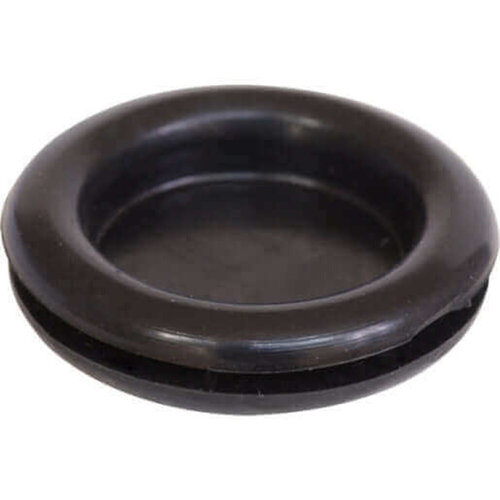
Rubber Grommets - 25mm Blind 100 Pack
Pack of 100 25 millimetre blind rubber grommets for covering holes
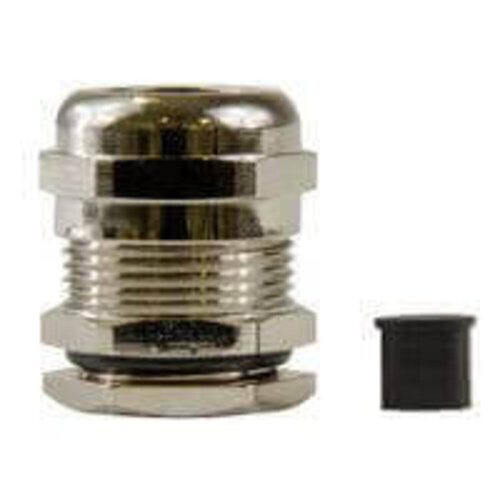
Flat Form Gland - 2 x 1.0-1.5mm Brass 5 Pack
Brass flat form cable gland, M20 thread, 1.0-1.5mm, pack of 5
For the Trade
What usually decides glands and grommets is the entry itself. You’re either after a neat panel finish, a tighter seal, or simple edge protection where the cable passes through. The job usually points you to the right option before price comes into it. Cable glands are the one you reach for when you need more grip or sealing. Cable grommets are the quicker answer where the hole just needs tidying and protection.
Glands & Grommet Options Compared
If the entry needs sealing as well as strain relief, cable glands are the one you pick. If you’re only protecting a panel edge or a drilled hole, cable grommets usually do the job with less fuss. That’s the first split I’d make at the counter.
Within Cable & Cable Management, the rest of the choice comes down to how exposed the run is and how much movement you expect. Electrical glands suit the more demanding entries. Electrical grommets are the neater answer where you only need to stop chafing. The usual mistake is over-specifying a gland where a grommet would have been enough, or using a grommet when the cable needs proper hold.
Choosing Materials and Size
Material usually settles it. Brass cable glands suit jobs that need a firmer fit and more abuse resistance. That matters where the entry is exposed or the install gets handled a lot before it’s finished.
Plastic cable glands are lighter and usually quicker to fit in quantity. They make sense on less demanding runs where you do not need metal strength. Brass gives you more confidence at the entry. Plastic keeps the job quicker and cheaper.
If you’re working alongside Metal Conduit & Accessories, brass usually sits better with the rest of the kit. For lighter runs of Cable, plastic is often enough.
Completing the Setup
Once you’ve picked the glands and grommets, the next call is what the entry is going into. A panel or enclosure needs a clean, secure finish at the hole. If the opening is rough or the edge is exposed, you may need a different fixing detail so the cable is not left rubbing.
If the run passes through metalwork, check the surrounding finish as well. A neat entry into a panel often saves a call-back later. Where the job also needs containment or a protected route, the next buy is often metal conduit and accessories rather than more cable management bits.
Related searches
Local availability for Glands & Grommets











