Label Printing
Use label printers where you need them, and match the machine to the amount of text or barcode work you handle. Handheld and portable units suit quick marking and site work, while a desktop machine is the better call for batch printing and a steadier setup. Thermal models are common because they keep consumables simple, but label size, durability and how often you change formats still decide the right fit.
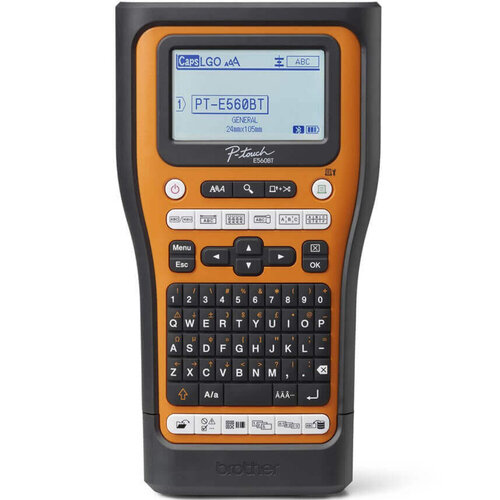
Brother Handheld Electricians Labelling Machine
Handheld electricians labelling machine with Bluetooth connectivity and recharge…
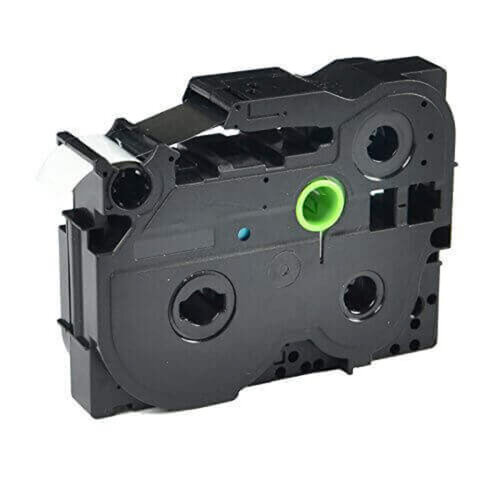
Brother TZe Tape - 18mm x 8m Black on White
Brother TZe label tape, 18mm x 8m, black on white
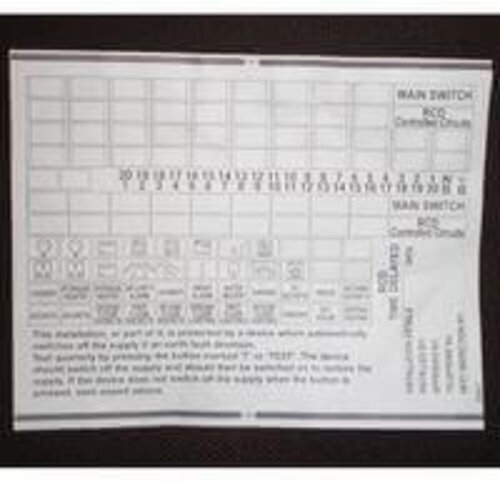
Hager Label Pack
Hager label pack for clear identification.
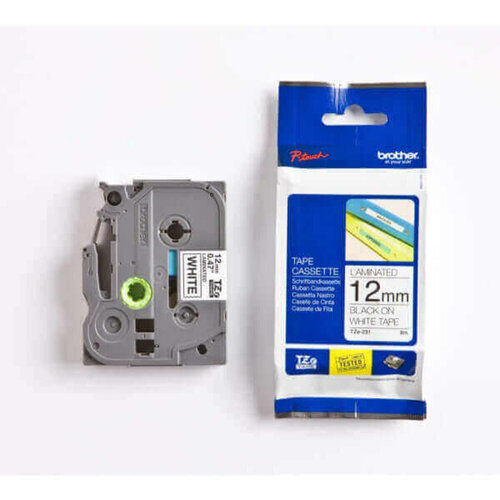
Brother TZE231 Tape - 12mm Black on White
Brother 12mm black on white laminated label tape, durable
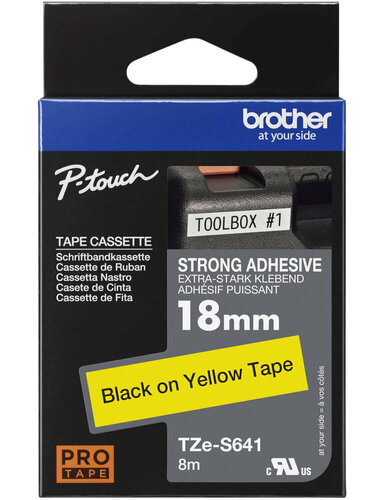
Brother Labelling Tape - 18mm Black on yellow
18mm black on yellow laminated label tape, 8m length
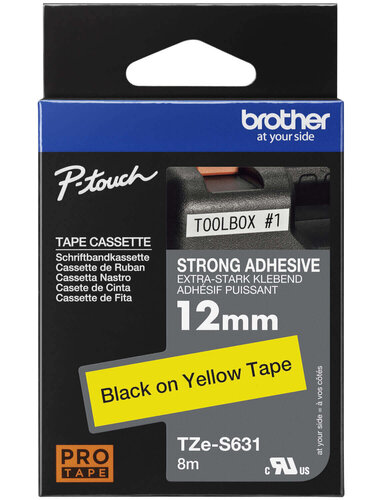
Brother Labelling Tape - 12mm Black on Yellow
12mm black on yellow Brother TZe-S631 laminated labelling tape, 8m long
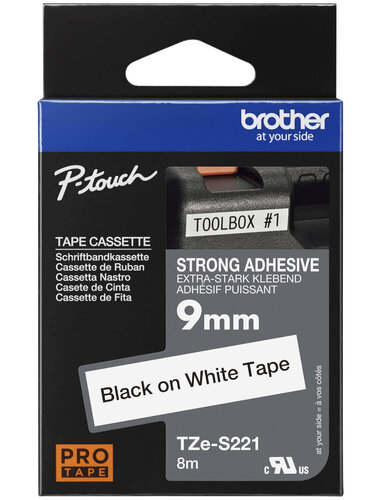
Brother Labelling Tape - 9mm Black on White
9mm black on white laminated labelling tape, 8m long
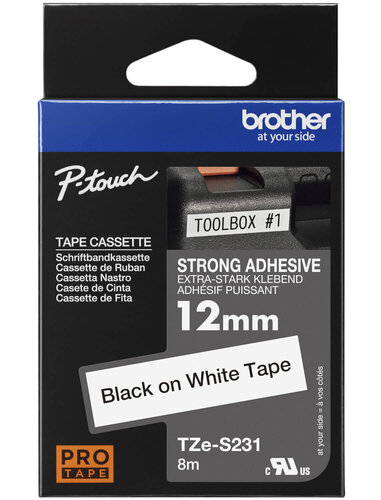
Brother Labelling Tape - 12mm Black on White
12mm x 8m black on white laminated Brother labelling tape
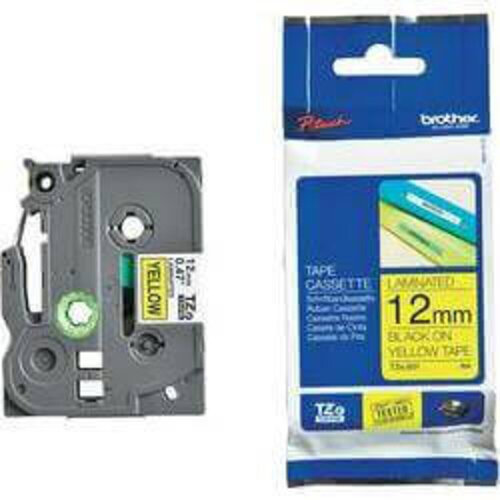
Brother Label Maker Tape - 12mm x 8m
12mm x 8m laminated label tape, wipe- and weather-resistant
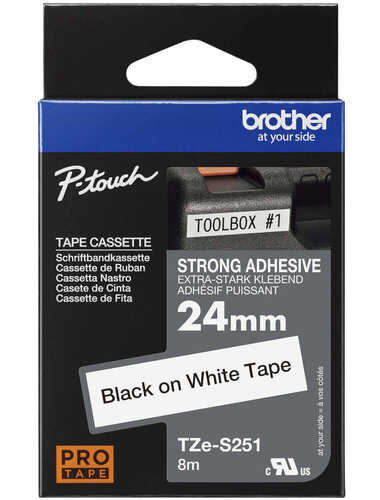
Brother Labelling Tape - 24mm Black on White
Brother TZe-S251 labelling tape, 24mm black on white, extra strength adhesive fo…
For the Trade
Start with where it’s going to sit and how much you’re printing, because that usually decides more than the badge on the front. If you’re marking a few cables or assets as you go, a compact handheld or portable label printer keeps things simple and easy to carry. For longer runs, a desktop unit is usually the better fit. It stays steadier on repeat work and is less awkward when you’re feeding the same format all day. The common mistake is buying on features first, then finding it’s too bulky for the van or too slow for the volume.
Label Printing Options Compared
A handheld or portable label printer suits quick marking and changes on site. You carry it with the job, so it works well when labels need to move with you. The trade-off is speed and bench comfort.
A desktop label printer makes more sense for repeat labels, barcode work, or longer runs. It sits better at a bench and is easier to keep moving through the same task. For cable work, a cable label printer or wire marker printer is worth a look when that is the main job. If not, a general label printing machine is usually the better all-round buy.
If you’re already sorting kit for Cable & Cable Management, that is where the format choice starts to matter.
Choosing Materials and Size
What usually decides it is where the labels need to end up and how much repetition you’ve got. A tougher label printer with clear barcode output suits kit rooms, panels and asset work. A smaller portable label printer makes more sense when you’re moving between jobs and only need short runs.
If you’re marking conductors and terminations, a cable label printer or wire marker printer is the cleaner pick because the format is set up for that job. If you’re also labelling plant or stock, a broader label printing machine is usually the better buy.
For anything that has to sit with conduit or trunking, it’s worth looking at Metal Conduit & Accessories alongside the labels. If the job is mainly the cable itself, keep Cable in mind so the marking system matches what you’re fitting.
Completing the Setup
Once you’ve picked the label printer, the next call is what it’s going around. On a proper job, that means the panel or enclosure, any screens or covers, and the storage you’re labelling so the print stays readable where it’s used.
If you’re finishing a run in containment or trunking, the fixings matter as much as the printer. A neat label on a poor finish still gets knocked off or hidden. If the cable route needs tidying as well, look at the related cable and metal conduit accessories at the same time. That saves you coming back to sort the finish after the labels are on.
Related searches
Local availability for Label Printing




