Metal Conduit & Accessories
If you’re pricing up metal conduit, start with the run itself, then choose the bends, couplers, fixings and box pieces to finish it properly. Galvanised conduit is the common pick where corrosion resistance matters, while steel conduit gives a tougher mechanical finish. Corners and terminations are where the wrong conduit fittings usually slow you down or leave you short.
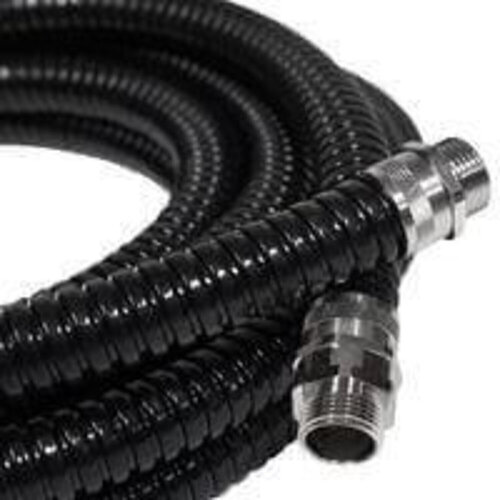
ALI Industries PVC Covered Galvanised Steel Conduit - 50mm x 10m IP54
50mm PVC covered galvanised steel conduit, IP54, 10m
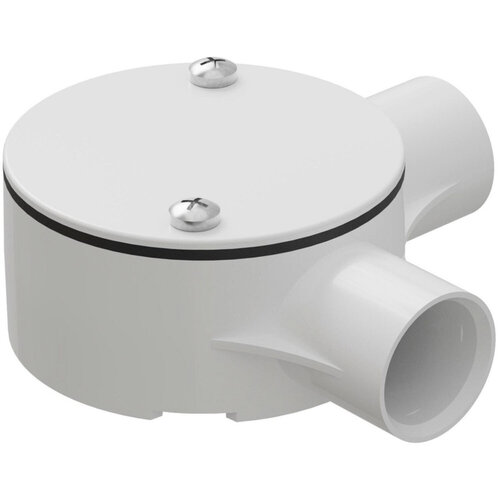
D-Line Speedway PVC Conduit Angle Box - 20mm White
20mm white PVC angle box for secure electrical connections in conduit.
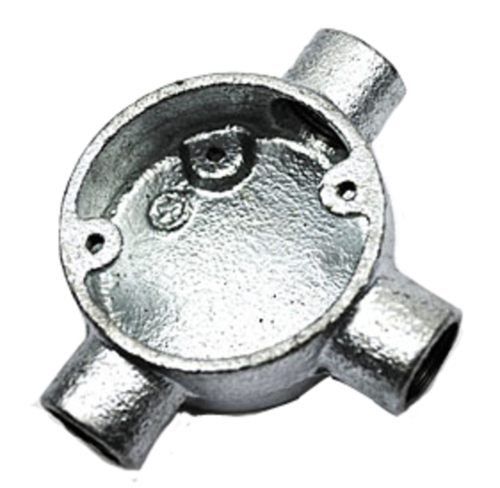
WFD 3 Way Tee Box - Galvanised
WFD galvanised 3 way tee box for connecting three sections
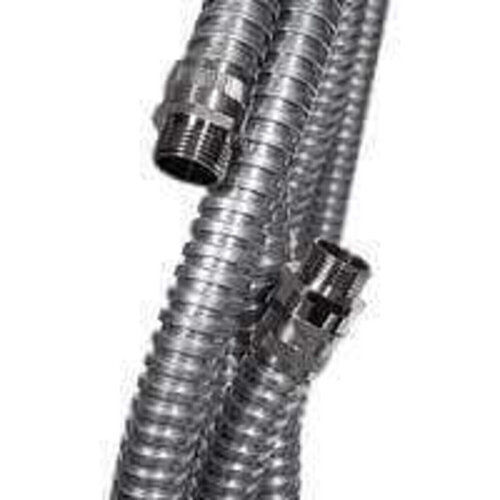
Eris IP40 Galvanised Steel Conduit - 32mm x 30m Roll
IP40 galvanised steel conduit, 32mm diameter, 30m roll
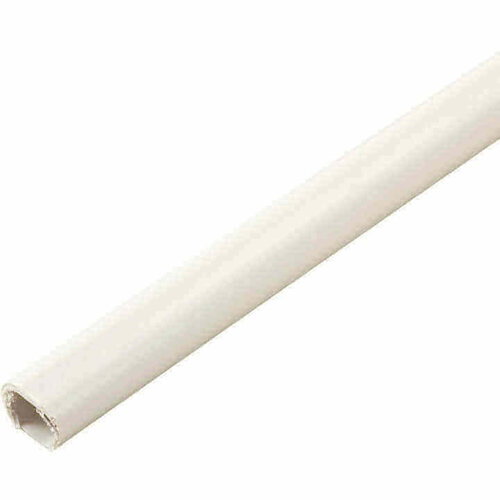
Oval Conduit - 30mm x 3m
30mm oval conduit, 3m length
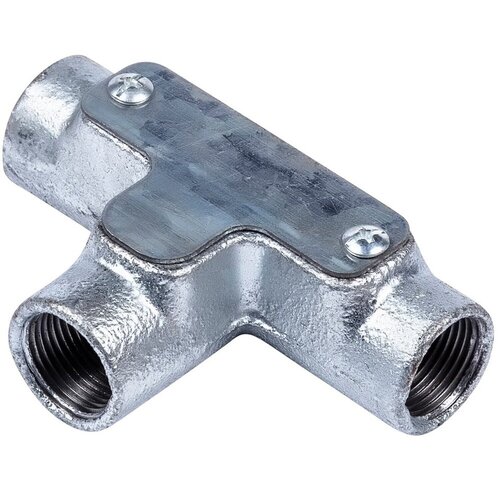
Niglon Galvanised Steel Inspection Tee - 25mm
Galvanised steel inspection tee for 25mm metal conduit
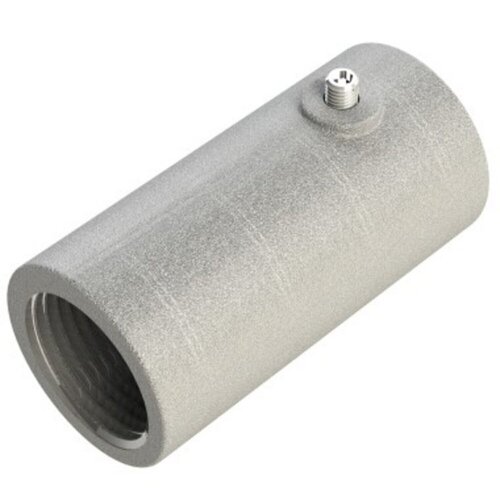
Metpro Female Adaptor - 25mm hot dipped galvanised
Metpro 25mm female adaptor, hot dipped galvanised, for conduit connections.
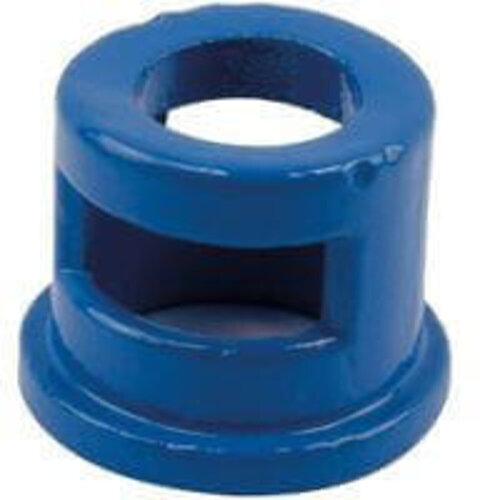
Conduit Stock & Die Set Spare Guide - 25mm
Spare guide for 25mm conduit stock and die set
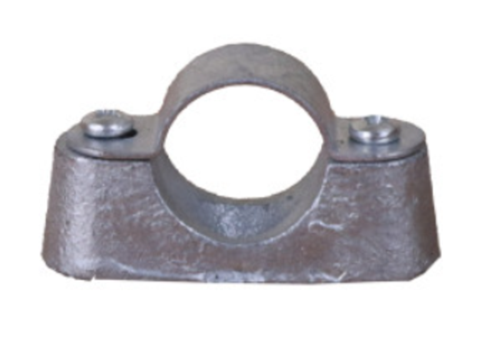
WFD Distance Saddle Clip Hot Dipped Galvanised - 25mm
25mm hot dipped galvanised distance saddle clip for conduit mounting.
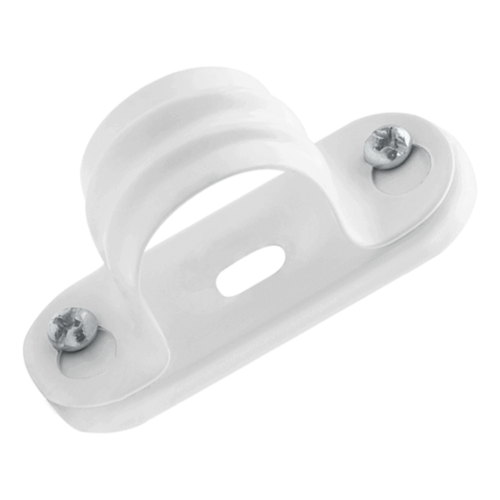
Unicrimp Saddle Bar - 20mm Metal
20mm white metal saddle bar spacer in a pack of 10
For the Trade
On site, you should confirm fit first - start with the environment and the spec, because that usually decides metal conduit before anything else. On a clean commercial run, galvanised conduit is often the first shout. Where the job is more exposed or the client wants a tougher finish, steel conduit tends to get the nod. Then look at the route and the number of changes in direction. Long straight runs are one thing. A cramped plant room is another. The usual call is between keeping the run simple with standard lengths or using metal conduit fittings and bends to save time and avoid awkward make-ups.
Types of Metal Conduit & Accessories
For metal conduit, the first split is between straight lengths and the parts that make the run work. Conduit pipe or conduit tube is the main run. Use conduit bends where the route changes and you do not want to form every turn on site.
Conduit couplers are the simple join-up option for extending lengths, but they only suit a line that stays true. A poor joint shows later. Metal conduit fittings and other metal conduit accessories finish the job properly, so if you are building a full run, start with the route and then pick the parts that keep it neat and serviceable. If you are comparing the range first, Cable & Cable Management is the hub to work back from.
Selection Factors for Metal Conduit & Accessories
Material choice usually settles it. Galvanised conduit is the common pick where you want corrosion resistance and a straightforward finish. Steel conduit suits jobs that need a firmer enamelled face and a bit more punishment day to day.
The trade-off is handling. Steel usually feels heavier in the hand and on the lift, so awkward runs can take longer to fit. Once the material is fixed, the rest comes down to the right metal conduit fittings and whether you need Cable or Cable Clips alongside it.
Finish the Room
Once you’ve settled the run, the next call is usually the boxes, saddles and fixings that finish it properly. That’s where metal conduit fittings earn their keep. The wrong box or locknut is what leaves you fiddling at the end, not the tube itself.
If the job has a lot of direction changes, pick your conduit bends and couplers early so the line stays tidy and you’re not forcing lengths to make up on site. For exposed work, the accessory finish matters as much as the conduit pipe, because mismatched pieces stand out straight away.
Related searches
Local availability for Metal Conduit & Accessories










