Terminal Strips & Blocks
When you’re choosing terminal strips and blocks, start with how many conductors you need to land and how much room you’ve got. A compact terminal block suits a tight junction box, while a longer terminal strip gives you more ways through and keeps the connections in order. Screw terminal block versions remain the common pick for straightforward terminations.
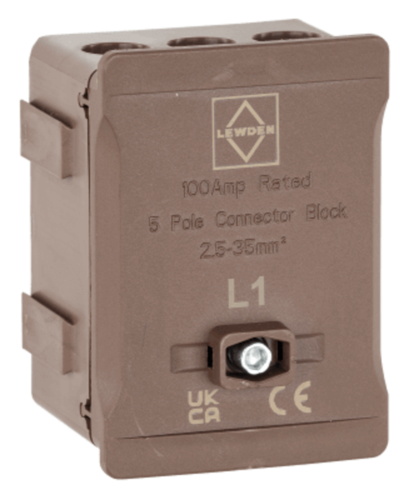
Lewden 5 Way Distribution Terminal - Brown
Brown 5-way distribution terminal strip for electrical connections.
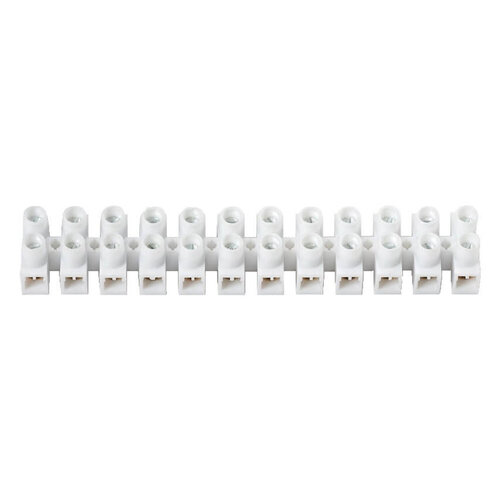
HellermannTyton Terminal Block 12-Way 15A 12mm Wire Screw Termination CS15WTPP -…
12-way terminal block, 15A, 12mm wire, screw termination
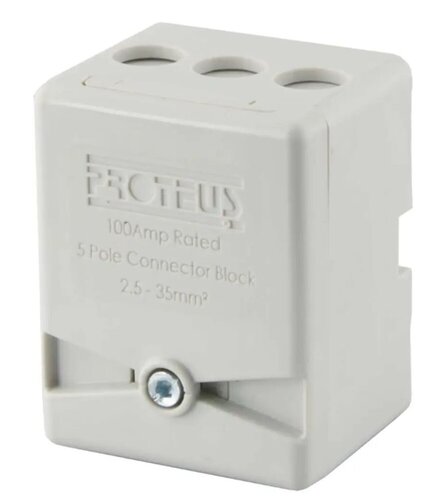
Proteus Single Pole Terminal Block - 100A 5 Way Grey
100A 5-way single pole terminal block for cables up to 35mm²
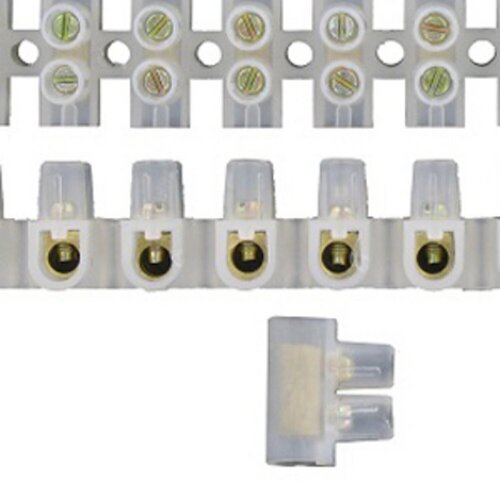
Niglon Polyethylene T80 450V 50A Strip Connector Non Self Extinguishing - White …
White 12-way strip connector rated 450V 50A, non self-extinguishing
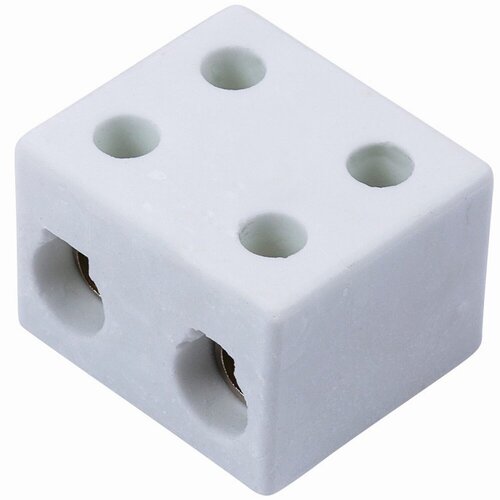
Niglon Porcelain Connector Block - 30A 2 pole
30A 2 pole porcelain connector block
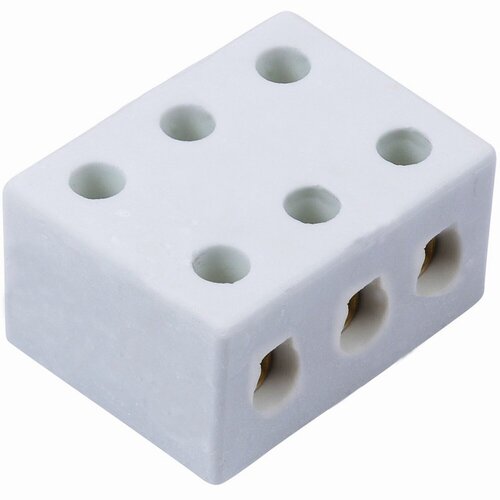
Niglon 3 Way Porcelain Connector - T280 450V 5A
3-way porcelain terminal connector rated 450V 5A
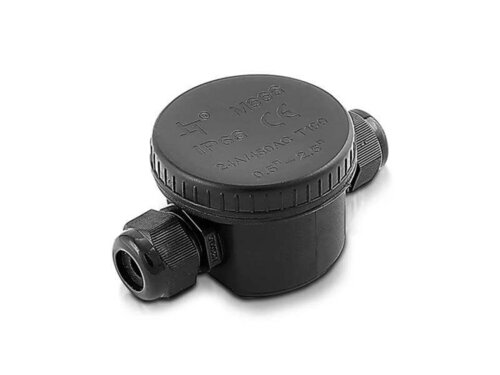
V-TAC Waterproof Box Terminal Block IP65 - Black, 5-9mm
Black IP65 waterproof terminal block box for cables 5-9mm, 24A
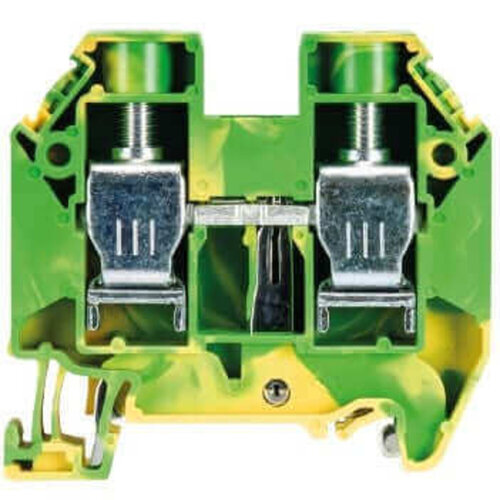
Wieland Electric Seloswt Earth DIN Rail Terminal, Screw Connection - 16mm² 12mm …
Green/Yellow earth DIN rail terminal with screw connection, 16mm²
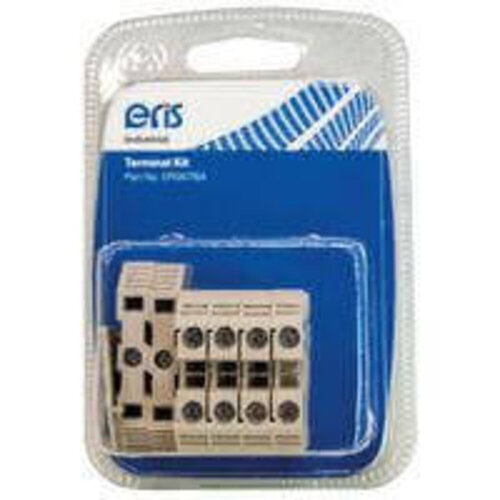
ALI Industries DIN Rail Terminal Kit - 4 x 6mm Grey, 1 x End Plate, 2 x End Stop…
DIN rail terminal kit with 4 x 6mm grey terminals, 1 end plate, 2 end stops
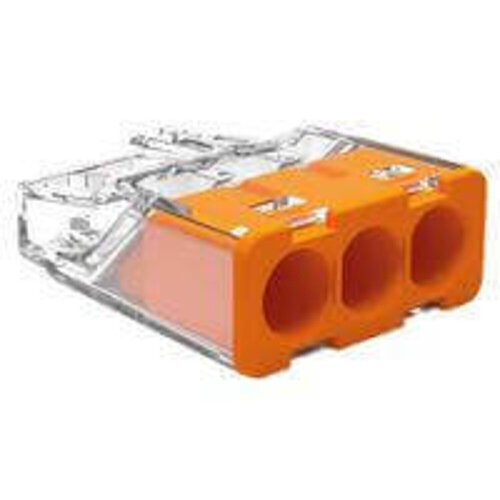
Push In Connector 3 Pole - 0.2mm² - 2.5mm², 24A, 450V, Orange, 100 Pack
3-pole push-in connector, 0.2-2.5mm², 24A 450V, orange, 100 pack
For the Trade
Space and use come first with terminal strips and blocks. If the enclosure is tight, you usually want the shortest layout that still gives you enough ways to land the conductors cleanly. If the job needs more take-offs, a longer terminal strip is the neater call. A screw terminal block is still the common pick when you want a familiar fix, but the layout normally decides it, not the finish or any extra bits. The choice that gets changed later is usually the one where the box was too tight from the start.
Types of Terminal Strips & Blocks
A terminal block usually suits the neater, tighter job where you want each conductor landed in a compact footprint. A terminal strip makes more sense when you’ve got several connections to line up in one run and want the layout easier to read.
The strip gives you more room to organise the conductors, but it does take up more space in the enclosure. On jobs where access is awkward, that extra length can be the difference between a clean termination and a cramped one.
If you’re working through the wider Cable & Cable Management range, this is where you decide whether you need the shortest layout or the clearest connection line.
Selection Factors for Terminal Strips & Blocks
Start with how many conductors you need to land and how much room the enclosure gives you. A screw terminal block suits a compact termination where each core needs its own point. A longer terminal strip works better when you have several take-offs and want the connections laid out in order.
If the job is going into Metal Conduit & Accessories, check the termination space before you buy. Conduit runs often leave less room than expected. Match the block to the Cable size and core count. That is where most call-backs start.
Finish the Room
Once you’ve picked the terminal strips and blocks, the next call is usually the enclosure and how the run finishes around it. If the wiring is going into a panel or board, get the matching fixings and enclosure parts sorted at the same time. A loose lid or awkward entry point slows you down later.
Where the run is exposed, the surrounding cable management matters just as much. Clips, sleeving or conduit accessories keep the install tidy and cut down on call-backs. Keep the finish simple and you’ll usually spend less time sorting it out on site.
Related searches
Local availability for Terminal Strips & Blocks














