Alarms & Sensors
When you're choosing alarms and sensors, start with the job. Smoke, carbon monoxide, heat, or intruder coverage all point you in a different direction before you look at brand or finish. Wired and wireless alarm sensors suit different installs, and the wrong call usually shows up later as wasted time or a call-back. If the spec is mixed, separate sensors are usually easier to match than a one-box kit.
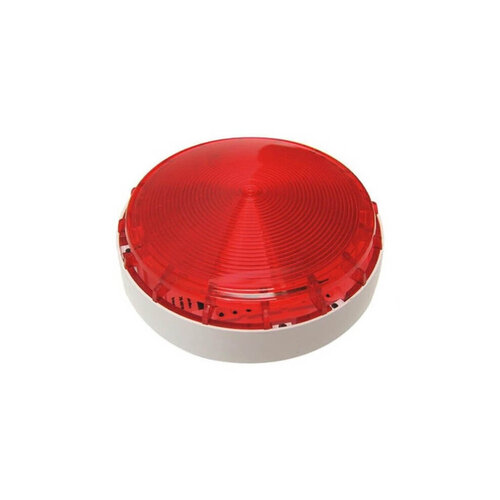
Fike Twinflex Flash Point Low Profile
Low profile visual indicator for Twinflex 2-wire zone, waterproof
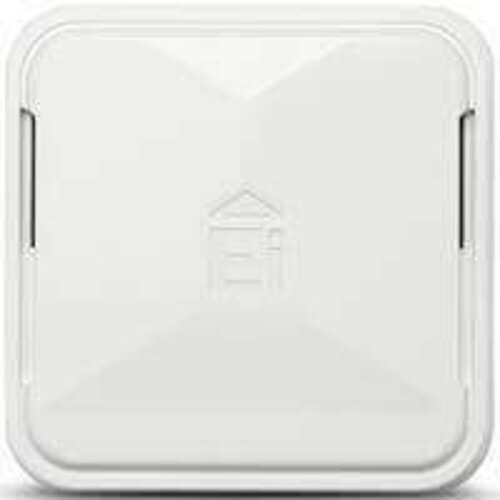
Aico Temperature, Humidity and CO2 Environmental Sensor with 10 Year Lithium Bat…
Aico Ei1025 environmental sensor monitors temperature, humidity and CO2
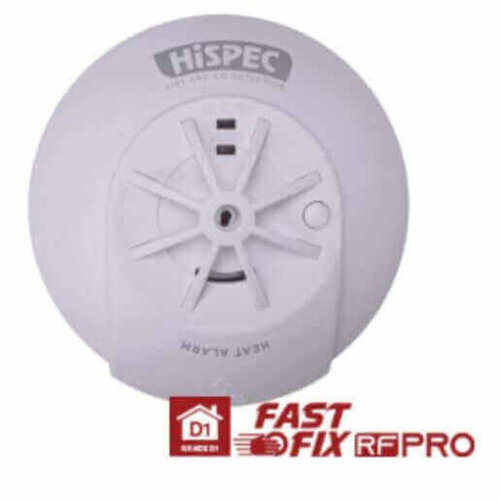
Hispec Radio Frequency Mains Heat Detector
Hispec mains heat detector with 10-year battery backup, wireless interlinkable
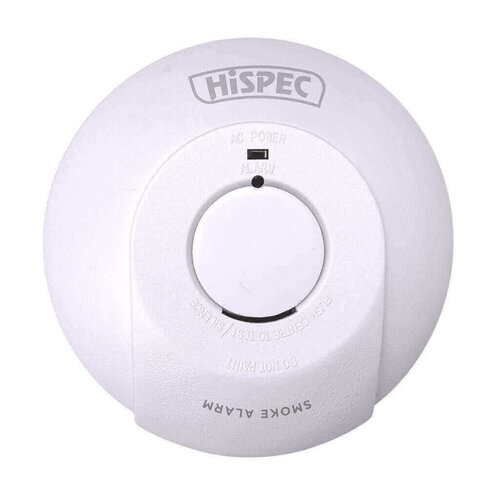
Hispec Mains Smoke Alarm Radiofrequency with 10 Year Lithium Pro
Mains-powered photoelectric smoke alarm with 10-year lithium backup and wireless…
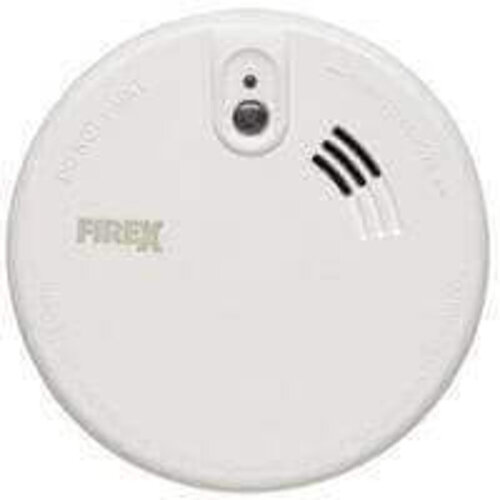
Kidde Firex Mains Powered Optical Smoke Alarm with Back-Up Battery
Mains optical smoke alarm with back-up battery, interlinkable up to 23 units
For the Trade
Space and layout usually come first, because that decides what you can fit without making the job awkward. After that, look at how the unit will be used - a simple replacement, a fuller alarm setup, or a sensor-only job - then compare the spec against that rather than chasing extras. With alarms and sensors, the problems usually start when the kit does not suit the space or the way the system is being used. If you are only covering a straightforward domestic call, keep it simple. If the layout is tighter or the coverage needs to be more specific, that is when the choice changes.
Alarms & Sensor Types and Layouts
For alarms and sensors, the first split is between standalone detectors and parts of a wider intruder setup. Standalone smoke alarms, carbon monoxide alarms and heat alarms suit jobs where you only need the right detector in the right place. They keep the spec simple, but they do not cover perimeter or movement.
Intruder alarms and alarm sensors fit builds and extensions where you are putting together a system. At that point, wired or wireless layout starts to matter. Wireless home security alarms cut cabling time. Wired gear stays the cleaner choice when you want a fixed, low-maintenance run. If you are working from the wider Domestic Electricals range, that makes it easier to separate a one-off detector from full system parts.
What to Check Before You Buy
What usually decides it is the job spec and how much of the system you’re changing. If you’re replacing one part, match the alarm sensors rather than mixing formats and risking a call-back later.
Smoke alarms, carbon monoxide alarms and heat alarms are bought to suit the detector type the job calls for. Intruder alarms and home security alarms come into play when you’re building out the security side. If the unit needs a battery change rather than a hardwired feed, check Batteries at the same time. If you’re tying into an existing panel or handset, Telephone Accessories may be the bit that keeps the job moving.
Useful Alongside Alarms & Sensors
Once you’ve picked the main alarms and sensors, the next call is usually the bits that finish the job cleanly. Back boxes, mounting plates, replacement batteries and any adjacent controls the client wants kept in the same scheme save time later.
A sensor swap is straightforward until the fixing pattern or power source does not match what is already there. Keep the alarm sensors and consumables together, and check the related domestic electricals at the same time if the spec runs into other accessories. That way you are not turning a small job into two visits.
Related searches
Local availability for Alarms & Sensors








