Batteries
Pick batteries by size, chemistry and how hard the kit is on them. AA and AAA cover most everyday gear, but 9V, C, D and coin cells are the ones that catch people out when the spec is less common. Alkaline is usually the economical call for low-drain kit. Lithium or rechargeable batteries make more sense where you need longer life, better cold performance or repeated use. Most returns come from the wrong format, not the brand.
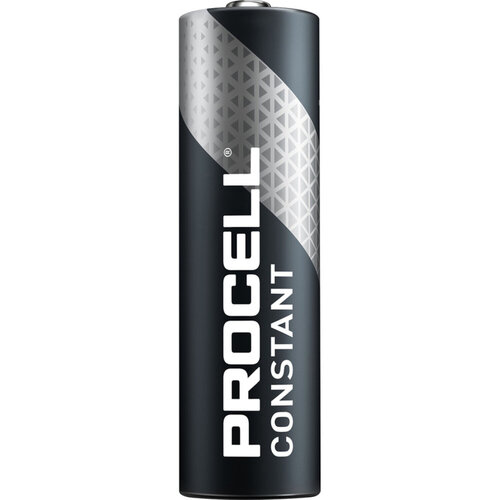
Duracell Procell Constant Batteries - AA 10 Pk
Duracell Procell Constant AA alkaline batteries, 1.5V, 10 pack
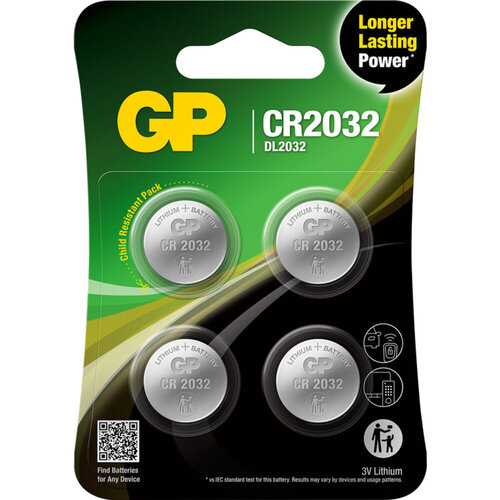
GP Lithium Coin - 3V CR/DL2032 4 Pack
GP CR2032 3V lithium coin battery 4 pack
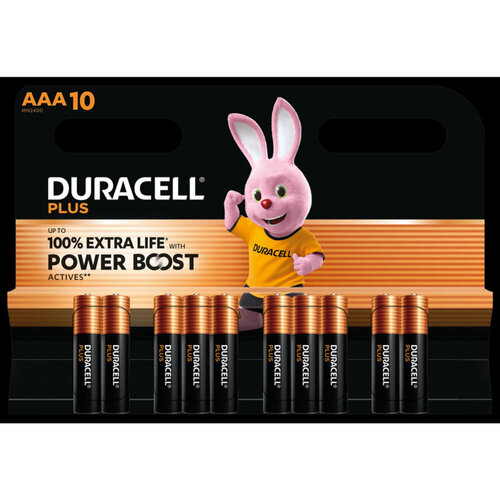
Duracell Plus Power AAA Batteries - LR03 10 Pack
AAA alkaline batteries with up to 100% extra life, 10 pack
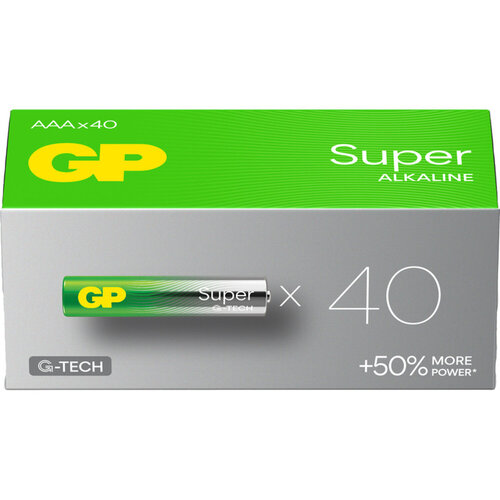
GP Super Alkaline Battery - AAA 40 Pack
GP Super Alkaline AAA battery pack of 40 with anti-leakage and extra power
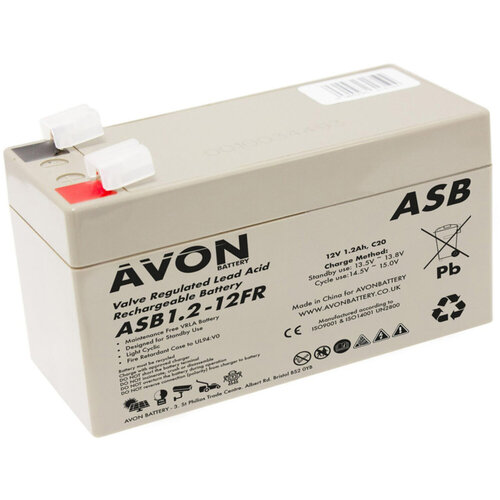
Sealed Lead Acid Battery - 12V 1.2Ah
12V 1.2Ah sealed lead acid battery, 151 x 98 x 95 millimetres, white, AGM mainte…
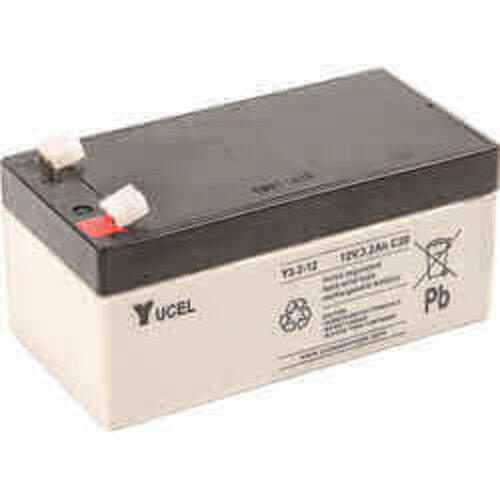
Sealed Lead Acid Battery - 12V 3.2Ah 134 x 67 x 67mm
12V 3.2Ah sealed lead acid battery, 134 x 67 x 67 millimetres, AGM maintenance-f…
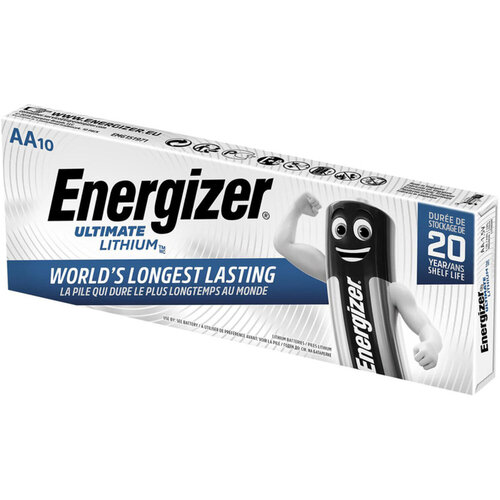
Energizer Ultimate Lithium Batteries - AA 10 Pack
AA lithium batteries, pack of 10, long shelf life and reliable leak-proof power.
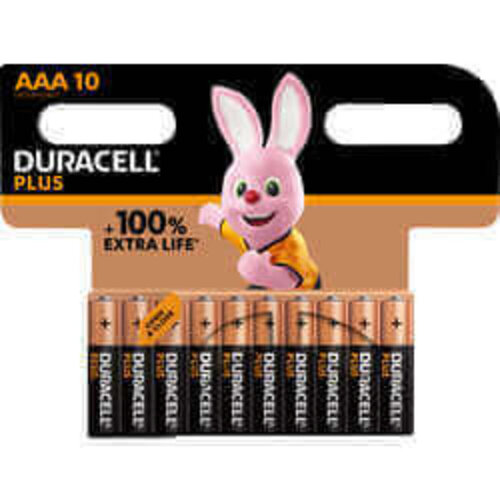
Duracell +100% Plus Power Batteries - AAA 10 Pk
Duracell AAA alkaline batteries, 10-pack for everyday devices
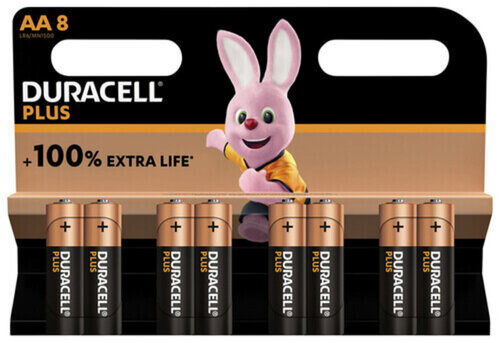
Duracell Battery Multipack - AA 8 Pack
Duracell Plus AA alkaline batteries, 8 pack
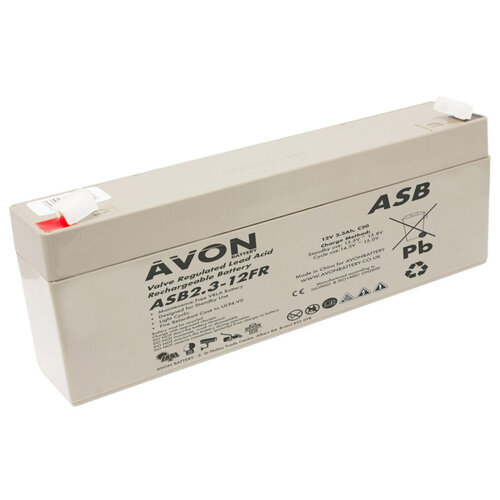
Sealed Lead Acid Battery - 12V 2.3Ah
12V 2.3Ah sealed VRLA AGM battery, white and maintenance-free
For the Trade
Start with the space you’ve got and how hard the kit is on the cells, then narrow it from there. A tight compartment, a high-drain device, or something that sits idle for months will change the call more than the name on the pack. Standard alkaline batteries suit general use where cost matters. Rechargeable batteries make more sense when you’re cycling through them day after day and want fewer changeouts. Lithium batteries are the one I’d push when you need longer shelf life or steadier output in awkward kit. Get that decision right first, then it’s usually just matching the size and terminal layout.
Popular Battery Formats
AA and AAA batteries are the everyday call for most small kit. They’re easy to source and cover a lot of routine replacements. The choice usually comes down to run time versus a cheaper swap.
9V batteries are the one you reach for when the spec calls for a block format. Button cell batteries suit compact gear where a round cell is all that fits. That’s where people get caught out. They buy the right chemistry in the wrong shape.
C batteries and D batteries are usually chosen for larger torches and heavier-duty kit because they carry more capacity. The trade-off is size and weight. That can be awkward if the holder is cramped.
If you’re working across mixed jobs, keep the range tied back to Domestic Electricals so you’re not overbuying formats you won’t use.
Key Differences When Choosing
For most jobs, you’re weighing up cost, run time and how often the kit gets used. Alkaline batteries are the usual pick for general replacement work. They’re cheap enough to keep on the van and fine for gear that doesn’t pull hard.
Rechargeable batteries make more sense when the same cells are going through regular use. You pay more up front because you need the charger side as well, but the trade-off suits repeat use.
Lithium batteries are the better fit when you need longer shelf life or steadier performance in colder, heavier-use kit. They cost more, so they make sense where the job justifies it.
If you’re ordering alongside Telephone Accessories or Alarms & Sensors, check the exact cell type first. The wrong chemistry is what causes most call-backs.
Next Decisions After Choosing
Once you’ve picked the cells, the next call is what else is being changed around them. If the job includes alarms and sensors, doorbells, or telephone accessories, match the battery spec to the device, not just the size off the old one. That’s where call-backs start when someone fits the nearest pack.
Rechargeable batteries make sense where the same kit gets serviced regularly. Lithium batteries suit gear that sits idle or gets used hard. Keep battery packs in mind when you’re covering several units in one go. It stops you mixing types on the same job.
Related searches
Local availability for Batteries













