Data Networking
Data networking comes down to what you’re carrying and how tidy the run needs to be. For straightforward ethernet networking, cat5e still does the job on lighter domestic work, while cat6 and cat6a are the usual call when you want more headroom and less chance of being caught short later. Patch leads suit short rack-to-device links. For longer fixed runs, use proper network cables rather than trying to make leads do everything - that’s where jobs get messy.
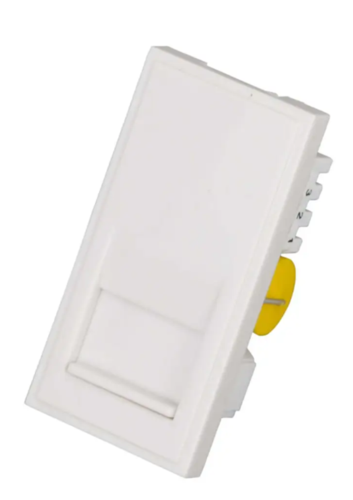
Schneider Ultimate Data Connection Euro Module - White
White Euro module for data connections, 50 x 25 millimetres
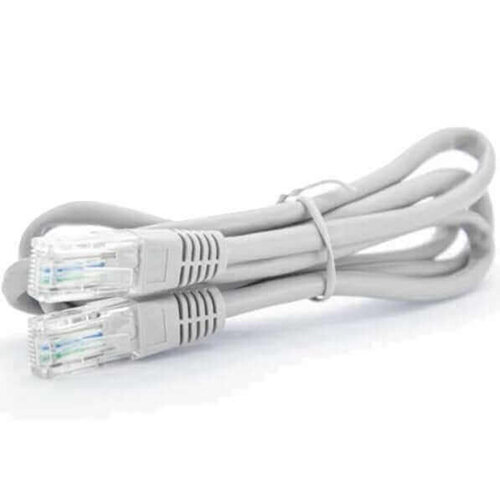
Connectix Cat5e LSOH UTP RJ45 Booted Patch Lead - 3m grey
Grey 3m Cat5e UTP patch lead, moulded boot with strain relief, individually test…
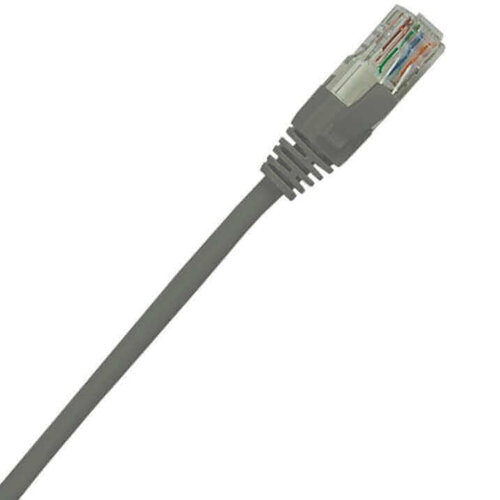
Connectix Cat5e LSOH UTP RJ45 Booted Patch Lead - 1m Grey
1m grey LSOH Cat5e UTP booted patch lead
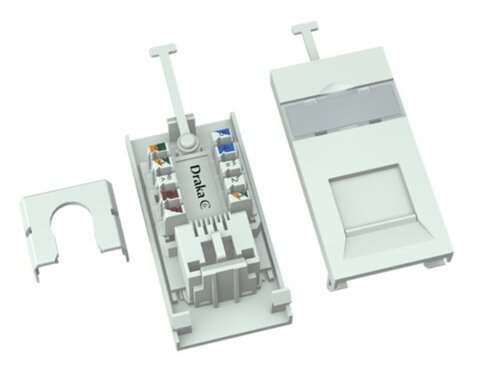
Selectric UC-Connect CAT6 Euro Module - White
Selectric UC-Connect CAT6 Euro Module, white.
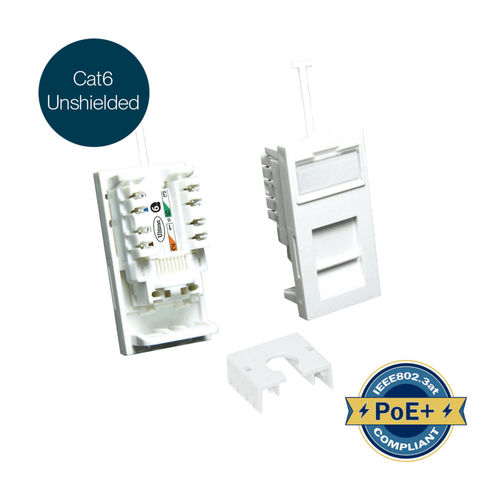
Comtec Low Profile Cat6 Euro Module Unshielded PCB
Comtec low profile Cat6 Euro module, unshielded PCB
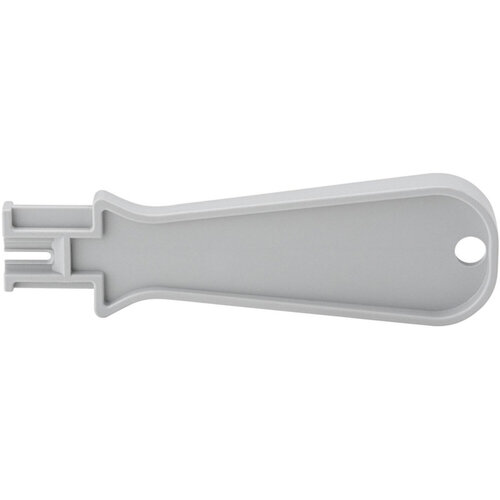
PROception Dual Punch Down Tool - Wiring Tool
Lightweight IDC punch-down tool with multi-cable stripper
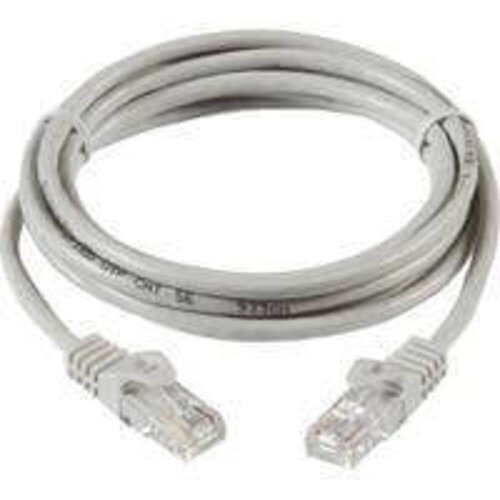
Knightsbridge UTP Cat5e Networking Cable - 3m grey
Grey 3m Cat5e network cable with RJ45 plugs, up to 1000Mbps
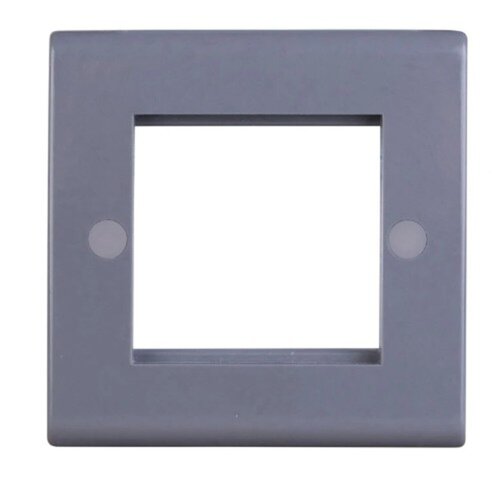
WFD Slimline Part M Two Module Data Plate - Grey
Grey Part M slimline data plate for 50x25mm Euro modules
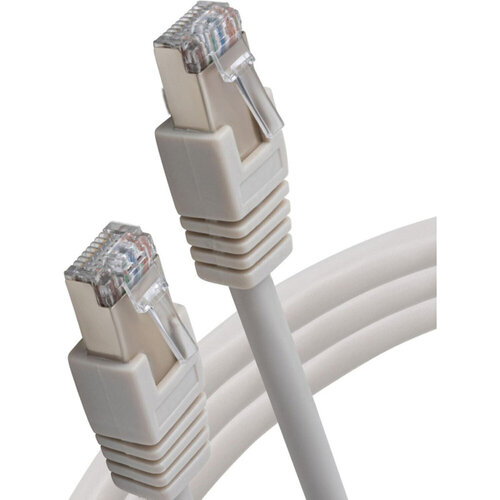
PROception CAT6 UTP Patch Lead - 10m Grey
10-metre grey CAT6 UTP Ethernet patch lead with moulded RJ45 connectors
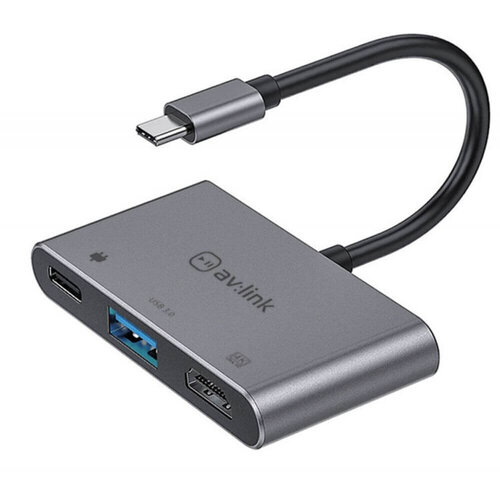
Av:link USB C to HDMI 4K 3 in 1 Multiport Adapter 100W USB-C PD Charging Port fo…
3-in-1 USB-C hub with 4K HDMI, USB-A and 100W PD charging port
For the Trade
Start with the space you’ve got and how the run will be used, then the rest usually falls into place. Tight cupboards, plant rooms and awkward routes push you towards different data networking choices than a simple straight run, and that’s where jobs get caught out. If you need cleaner termination and less clutter, structured cabling is usually the call. For short links and quick changes, the right network cables often keep the job simpler. The usual mistake is buying on finish or accessories first, then finding the layout has already decided the spec.
Popular Data Networking Formats
If you’re pricing up data networking, the first split is between the main run and the finishing bits. Cable or structured cabling is the choice when the job needs the actual link. Networking accessories and network cabling accessories cover the terminations, fixings and small parts that keep the run tidy and reliable.
Patch-style data network equipment suits short equipment-to-equipment links. It gives you a cleaner setup, but you lose flexibility if the route changes. Keep the run and the accessories matched rather than mixing whatever’s on hand.
If you’re working back from the rest of the job, Domestic Electricals is the parent hub.
Key Differences When Choosing
The first call is usually whether you need plain network cables for the run itself or a neater structured cabling setup where the terminations matter more than the lead length. For a straightforward domestic pull, Cat5e still gets picked when the job is simple and cost matters. Cat6 and Cat6a give you more headroom and fewer arguments later, but they’re stiffer and less forgiving to handle.
Patch leads suit short links at the cabinet or device end. Longer runs want the right data network equipment, not a pile of mixed networking accessories.
If the job also needs Telephone Accessories, sort that with the data networking order so you’re not backtracking for small parts.
Next Decisions After Choosing
Once you’ve picked the data networking kit, the next call is usually what finishes the run neatly and keeps it serviceable later. That means the right panels, faceplates and patching gear where the terminations land, plus storage or enclosure space if you’re building out a cupboard or comms point.
On a tidy job, the weak point is often the bit nobody budgeted for - the accessory that leaves the cable under strain or the finish looking bodged. Keep the networking accessories matched to the layout, and only move up to more structured cabling hardware where you need cleaner terminations or a busier point.
Related searches
Local availability for Data Networking











