Tv & Satellite
When you’re choosing tv aerials, start with where the signal’s coming from and how much room you’ve got to work with. Indoor sets are the quick answer where reception is already decent. Loft and outdoor options suit cleaner feeds or awkward buildings. High gain models help on weaker signals, but they won’t fix a poor location.
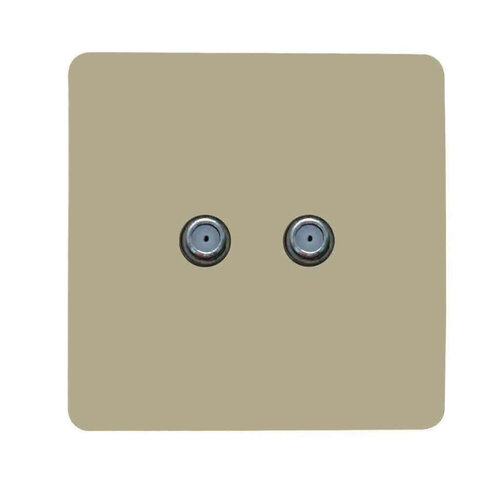
Trendi Switch ART-2SATGO 2 Gang Male F-Type Satellite Television Socket - Champa…
2 gang male F-type satellite TV socket in champagne gold with screwless plate
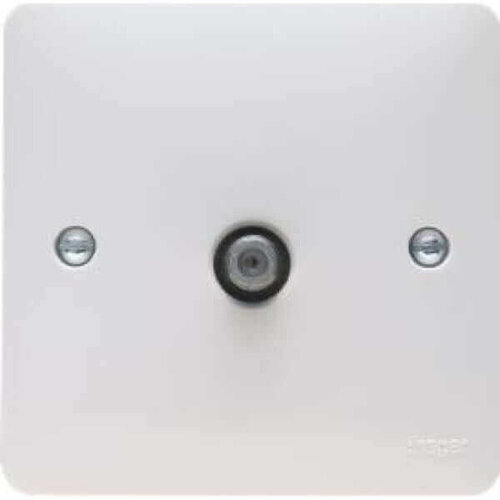
Hager Sollysta Screened Satellite Outlet
Screened satellite outlet with DAB compatibility and fixing screws included
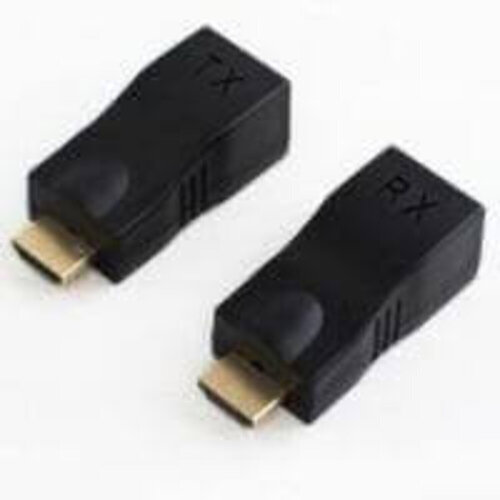
Haydon HDMI Extender Kit Over Cat5e/6 Passive - 25m black
Passive HDMI extender kit with 25m Cat5e/6 cable, 1080p, HDCP compliant, no powe…
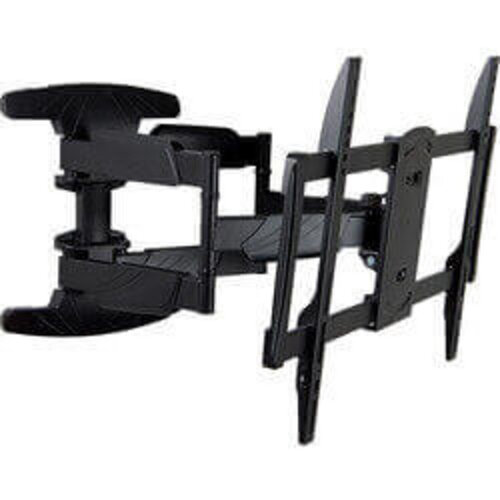
Thor Dual Arm Full Motion TV Mount - 80"
Dual arm full motion TV mount for 40 to 80 inch screens
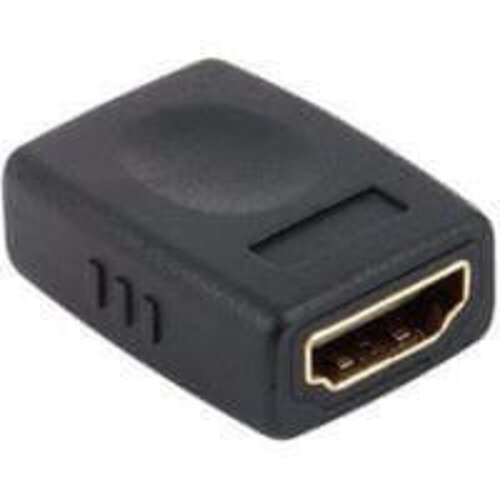
Philex HDMI Coupler Inline - Black
HDMI inline coupler for joining two cables
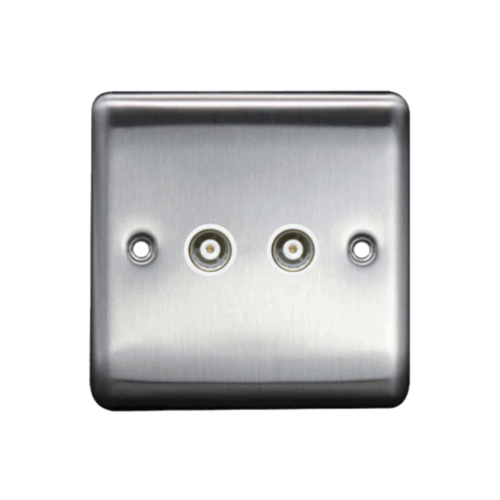
Thrion 1G Iso Coax Socket + 1 Branch - Brush Chrome, White Insert
Single gang isolated coaxial socket with brush chrome finish and white insert
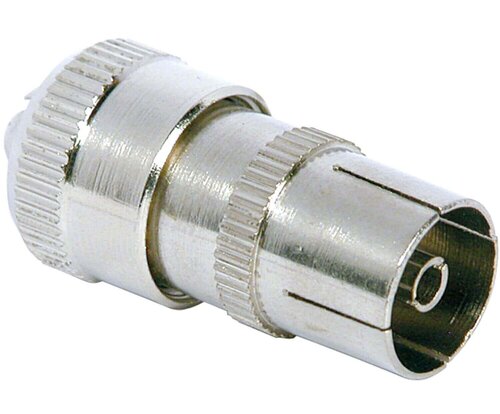
Philex Coax Plug - Nickel plated
Nickel plated coaxial plug for cable end connections.
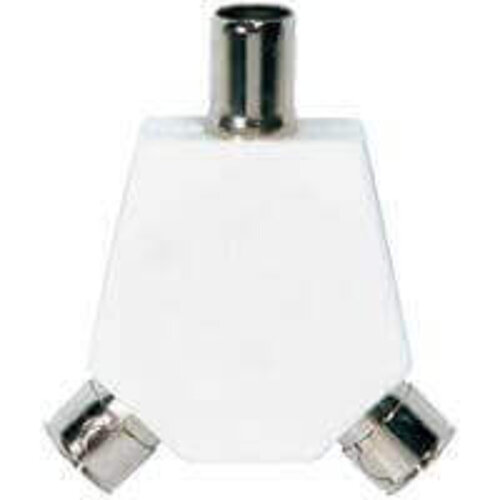
Philex Coaxial Y Splitter
Philex coaxial Y splitter for coaxial cable installations
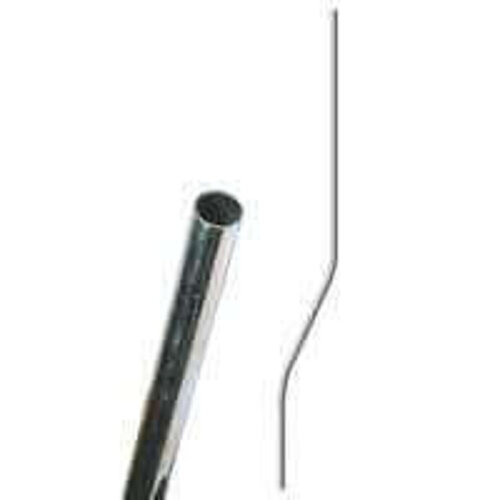
Philex Cranked Aerial Mast - 1.8m (6ft)
Philex cranked aerial mast, 1.8m (6ft) length
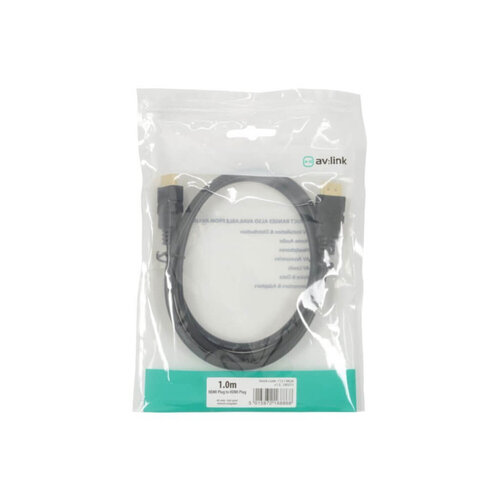
HDMI Lead 4K - 1m
1m high speed HDMI cable for 4K Ultra HD up to 3840x2160p@60Hz, gold plated conn…
For the Trade
Start with the space you’ve got and how the job will be used, because that usually decides the spec before anything else. With tv aerials, the awkward jobs are the ones where the layout leaves you little room for a clean run or forces you to compromise on position. If the feed needs to stay discreet, an indoor or loft option may be enough. Where the signal path is less forgiving, you’re usually into outdoor gear or a high gain model. The wrong pick tends to show up later as call-backs, not on the first fit.
Types of Tv & Satellite
Indoor tv aerials are the quick answer when the feed is already strong and you want the least fuss. They’re the first to move when reception is marginal.
Loft tv aerials keep the kit out of sight and usually suit a decent attic space, though roof construction can still knock the signal about. Outdoor tv aerials give you the cleanest shot at the transmitter when you need a more reliable fix. High gain tv aerials come in when a standard tv aerial won’t hold up on a weak signal.
If you’re working across Domestic Electricals, that’s where the rest of the job usually gets specified around the feed rather than the room.
Selection Factors for Tv & Satellite
For tv aerials, start with how clean the feed needs to be and how much compromise you can take on the install. An indoor tv aerial suits a simple room feed where you want the least disruption, but you lose margin if the signal is patchy.
An outdoor tv aerial is the better call when you need a steadier result. It takes more work and leaves a more visible finish. Where the signal is weak or the run is awkward, high gain tv aerials are the first place to look. A standard tv aerial can end up back on the van. If the job also needs Telephone Accessories or Alarms & Sensors, sort those at the same time rather than coming back to the same circuit later.
Finish the Room
Once the aerial is fixed, the next call is usually the surrounding kit and finish. If the run is going into a loft or cupboard, get the fixings, brackets and cable management sorted now. That’s where most call-backs start.
On a cleaner job, the visible bits matter as much as the signal path, so keep the faceplates, leads and TV point hardware in the same spec. If you’re also covering alarms and sensors or telephone accessories on the same visit, line up the other domestic electricals before you leave the job.
Related searches
Local availability for Tv & Satellite













