Domestic Electricals
When you’re choosing domestic electricals, start with what the job actually needs: a straight replacement, a like-for-like spec, or something that has to work with other kit already on site. The usual split is between keeping it simple and paying for features you may not use. A basic option is often the sensible call for standard domestic electrical installations. More involved domestic power solutions make sense when you need more control or compatibility. Fit, finish, and how much of the existing setup you can keep are the bits that usually catch people out.
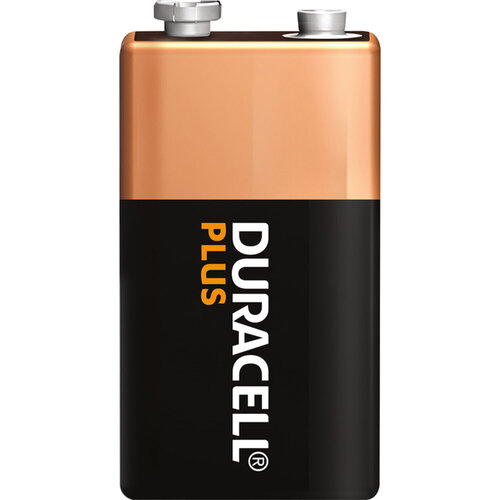
Duracell +100% Plus Power Batteries - 9V 2 Pack
2-pack Duracell Plus Power 9V batteries for everyday devices
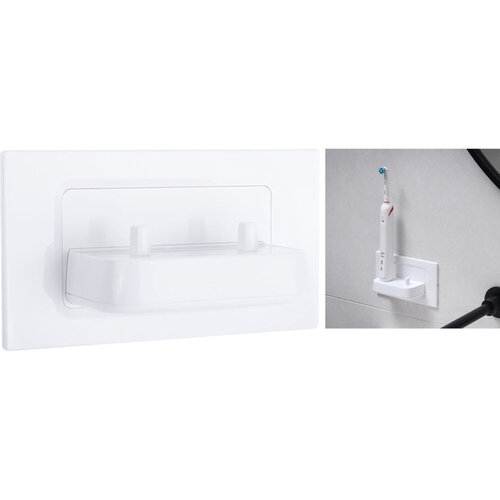
Proofvision PV11P Toothbrush Charger White - Twin
White in-wall dual toothbrush charger, IP44, compatible with Oral-B & Braun
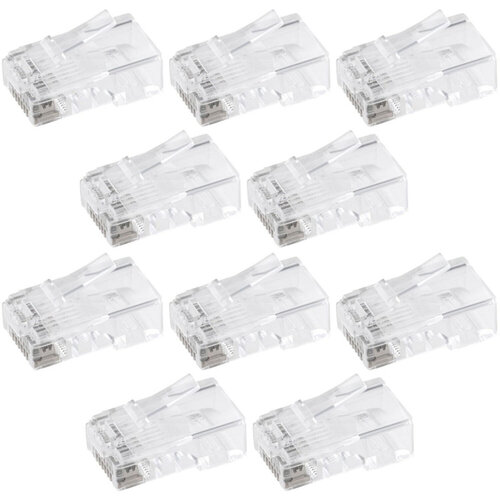
PROception CAT5e Modular Connectors - RJ45 8P8C 10 Pack
10-pack CAT5e RJ45 connectors with push-through design and gold-plated contacts
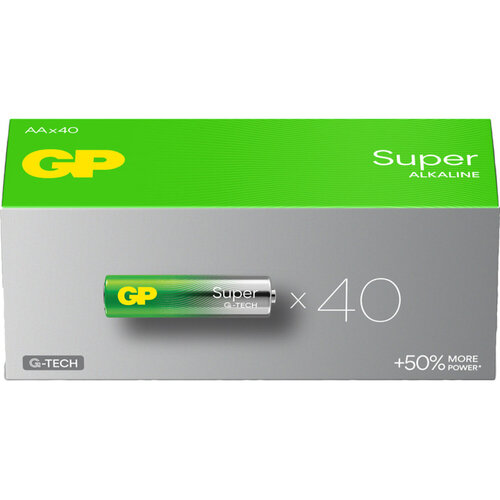
GP Super Alkaline Battery - AA 40 Pack
GP Super Alkaline AA battery pack of 40 with anti-leakage and extra power
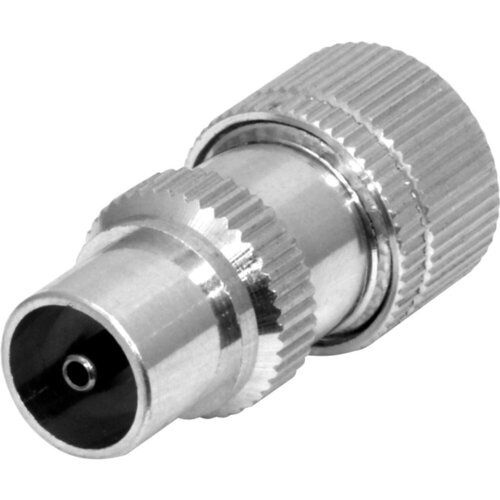
Proception TV (IEC) Coaxial Plug - Male Coax Plug 10 Pack
10-pack male coax plug for extending TV leads, aluminium body.
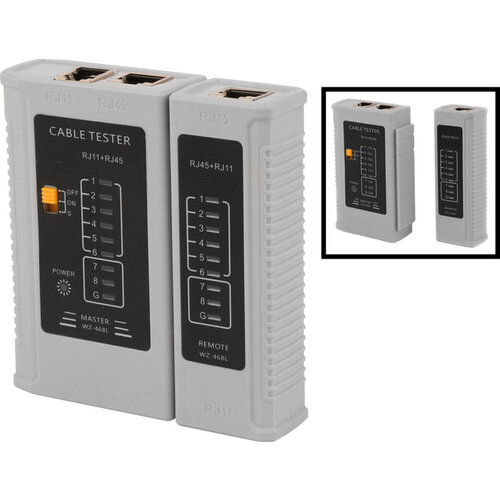
Silverline LAN Tester
Silverline LAN tester for RJ11/RJ45 cables, CAT3/5/6, PoE, remote unit.
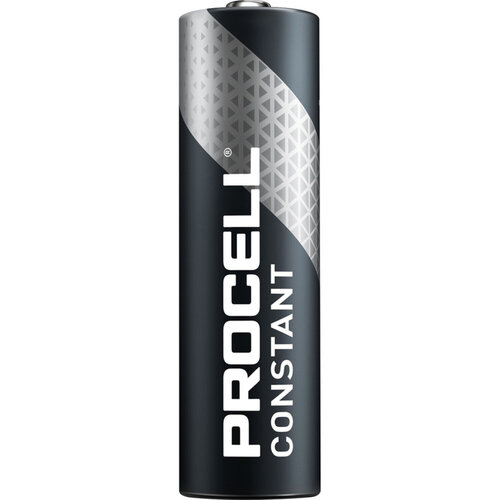
Duracell Procell Constant Batteries - AA 10 Pk
Duracell Procell Constant AA alkaline batteries, 1.5V, 10 pack
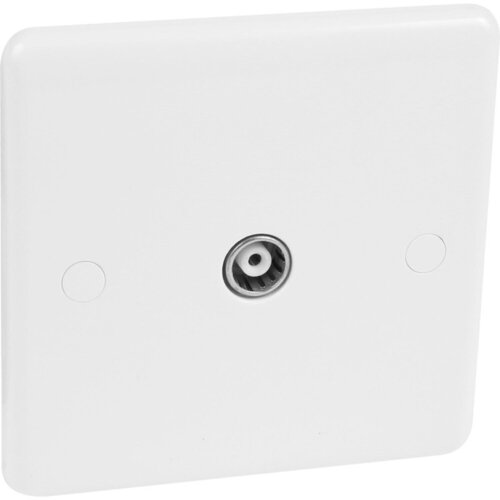
Wessex White Coaxial Outlet - 1 Gang
White 1-gang coaxial outlet for TV and satellite, low profile gloss finish
For the Trade
Start with the space you’ve got and how the job will be used, because that usually rules out half the options before you get into finishes or extras. With domestic electricals, the spec changes fast once access is tight, the layout is awkward, or the client wants more than a straight replacement. For a simple domestic electrical installation, keep it lean and don’t pay for features you won’t use. If the job needs more flexibility or a cleaner finish, step up only where it earns its keep. It’s usually about fit for the space, not the longest feature list.
Alarms & Sensors
You’re usually choosing here on what the job needs to do, not on price alone. For a straightforward domestic electricals job, keep to the basics and avoid paying for features you won’t use.
Once the spec calls for detection, alerting, or tighter control, move into Alarms & Sensors rather than forcing a general-purpose part to do the work. The common mistake is buying to suit the room instead of the circuit or the risk you’re covering, and that’s where call-backs start.
Batteries
Batteries are the obvious buy when you need a quick replacement or a portable supply.
Chargers and other kit only make sense if you’re dealing with repeat use on site. The usual call-backs come from the wrong format or capacity, so match the battery to the equipment before you leave the counter.
Battery Chargers
If the job needs charging rather than just replacement cells, you’re usually weighing output, chemistry support and how long you can leave it on charge.
That’s where Battery Chargers come in. They sit apart from batteries because the wrong charger causes most grief on site - slow turnaround, poor compatibility or a unit that won’t suit the pack you’ve already got. For domestic electricals work, pick the one that matches the battery system you’re running and the pace of the job, not the cheapest box on the shelf.
Card Readers
Card readers are the bit you pick when access control matters more than a simple call or sensor. The main decision is how the site is opened and who needs access, because that usually rules out the lighter domestic electricals options straight away.
A basic reader suits a straightforward entry point with limited users. Go up a step when you need tighter control or fewer call-backs over lost keys and shared access. The wrong choice usually shows up as repeat visits to change permissions or swap units, so match the reader to the access pattern, not just the fitting.
Data Networking
Data networking comes down to how much capacity you need now and how much you want to leave for later. On a straightforward domestic electricals job, keep it to the kit that matches the run and the number of points. Over-specifying adds cost and more to terminate. Under-speccing is what brings the call-backs.
If the job needs cleaner distribution or headroom for extra devices, step up rather than forcing a basic setup to do everything. The jobs that get queried are usually the ones where the cable route, access, or final device count changed after first fix.
Doorbells
Doorbells are usually chosen around how the property is used, not price alone. A simple wired unit works when you want a like-for-like swap and the existing cabling is staying put.
Go for a wireless option when access is awkward or you want to avoid extra chasing. You then need to factor in battery upkeep and signal range. Smart units suit jobs where the client wants app alerts or a camera feed, but they bring more setup and more to go wrong. In domestic electricals, call-backs start when the bell type does not match the site conditions.
What to Check Before You Buy
What usually changes the buy is the finish and how much of the job is being refreshed. If you’re replacing like for like, stay close to the existing spec and you avoid awkward returns.
If the job is being upgraded, check whether the existing setup needs extra parts from Wiring Accessories or a cleaner run with Cable & Cable Management. Call-backs start when the main item is right but the matching bits aren’t, so check the full set before you order.
Useful Alongside Domestic Electricals
Call-backs start when the main item is right but the matching bits aren’t. Once you’ve chosen the domestic electricals, the next call is usually the surrounding finish: the panel or screen that keeps the install tidy, the storage or enclosure that gives you room to work, and the adjacent accessories that stop you having to revisit the job.
Cable and cable management matters where you need a clean run and less strain on the terminations. Wiring accessories are the bit that usually changes the look and the final spec. Get those wrong and the job still works, but it rarely finishes cleanly.
Related searches
Local availability for Domestic Electricals