Indoor Lighting
Indoor lighting usually comes down to what the room needs from the fitting, not just the look. For a clean general scheme, you’re weighing output, spread and how much ceiling or wall space you’ve got. If the job needs a more decorative finish, style and size start to matter more. Check what’s already on site too - a quick bulb swap is one thing, but a full changeover can mean different decisions on control gear and matching the rest of the room.
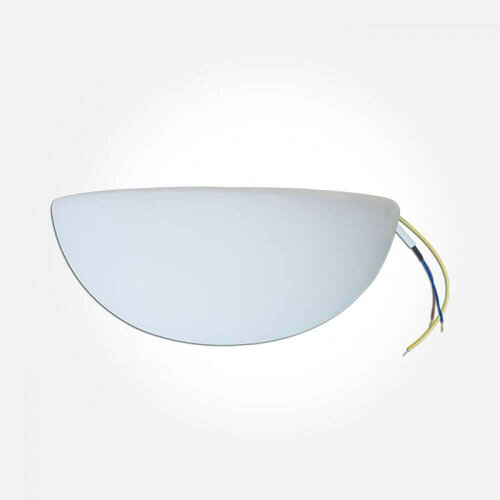
Eterna Ceramic Uplighter - 100W Max
White ceramic uplighter, 100W max, IP20, pre-wired 300mm lead
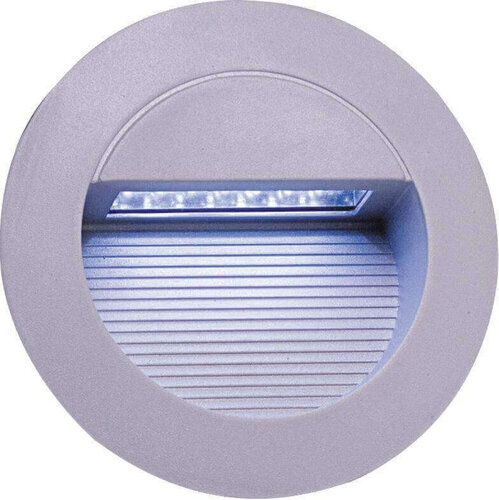
Knightsbridge IP44 14 x LED Round Recessed Wall Light - Grey aluminium, White LE…
IP44 round recessed wall light with 14 white LEDs and grey aluminium finish
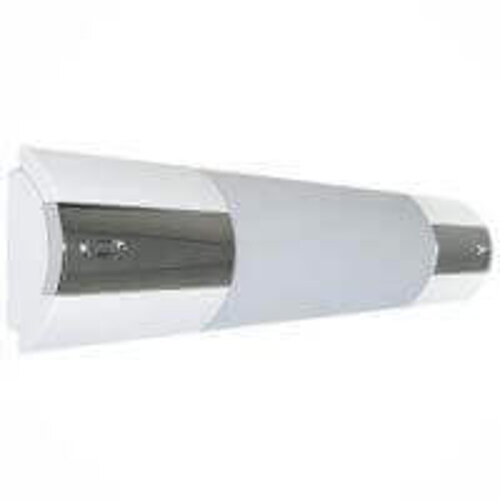
Eterna LED Dual Voltage Shaver Light - 6W Chrome IP21
6W LED shaver light with dual voltage socket, chrome IP21
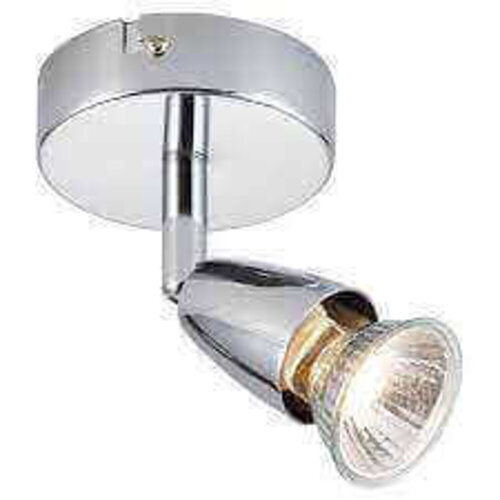
Saxby Amalfi Single Halogen Spotlight - Chrome
Chrome adjustable halogen spotlight, 50W GU10, IP20, dimmable, wall-mountable
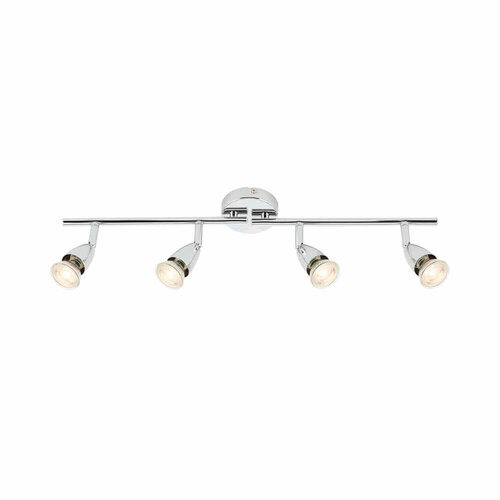
Saxby Amalfi 4 Light Spotlight - 50W Chrome Plated
Fully adjustable chrome spotlight bar with 350° rotation and dimmable LED compat…
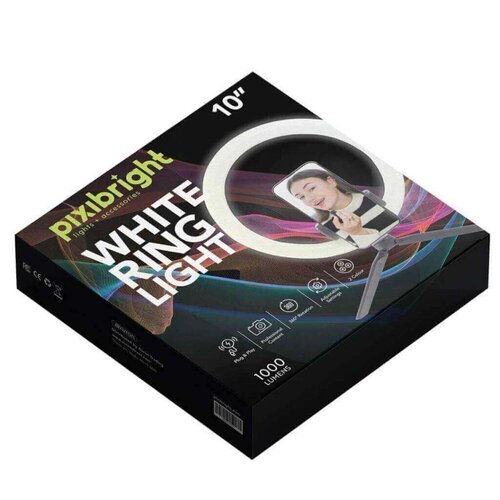
Pixibright Fill Light - 10" White/Yellow
10-inch LED ring light with tripod and phone mount, 1000 lumens
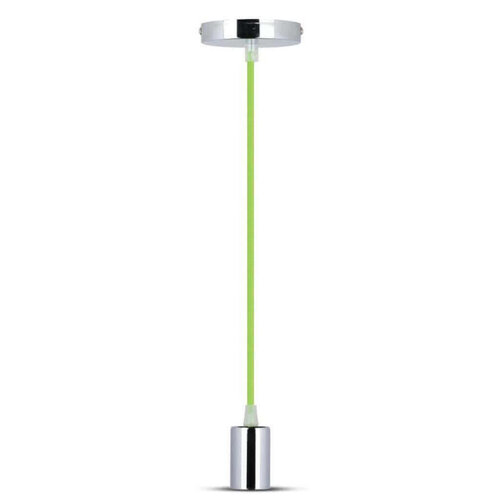
V-TAC E27 Metal Cup Pendant Light - Chrome green
Green metal cup pendant light with chrome build, E27, max 60W.
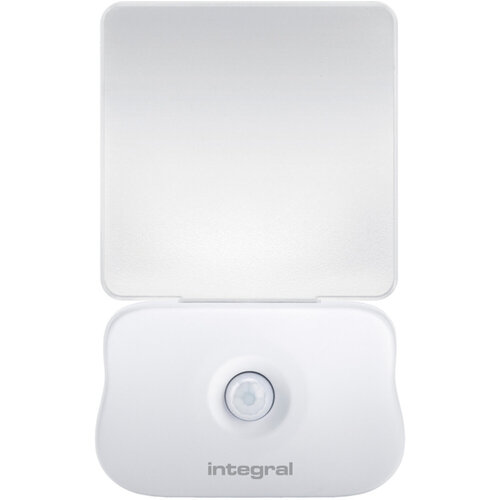
Integral LED Nightlight - Battery Operated
Battery-operated motion sensor nightlight with daylight sensor
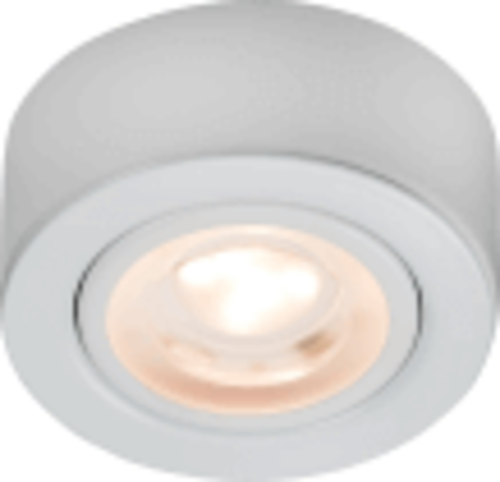
Knightsbridge CCT LED Cabinet Light - White
LED under-cabinet light with adjustable CCT
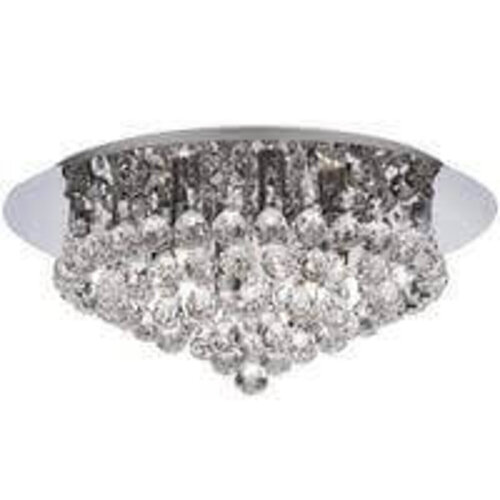
Searchlight Hanna Circular Ceiling Light - 33W 6 x G9 Chrome/Crystal lamps not i…
Chrome circular ceiling light with crystal balls, 6 x G9, 33W
For the Trade
Start with the space you’ve got and how it’s going to be used, because that usually rules out half the options straight away. Tight ceilings, awkward runs and low clearance push you towards simpler indoor lighting that sits neatly and is easy to handle. Bigger rooms or feature areas can justify something more decorative or more directional. If you need even general light, you’ll spec it differently from a job where you’re picking out a worktop, corridor or stair line. Finish and accessories come after that. The wrong layout is what causes the call-back, not the colour of the trim.
Indoor Lighting Types and Layouts
For indoor lighting, the first split is usually between plain working light and something with more finish. Trade indoor lighting suits jobs that need clean, dependable coverage without the fitting doing too much of the talking.
Domestic indoor lighting works better where the client wants a softer look or a more decorative layout. You give up some of the no-nonsense simplicity, but it can sit more naturally in mixed-use spaces.
Decorative indoor lighting comes into its own in feature areas and larger rooms. The trade-off is time. You need to check the look and the spread, so the choice takes a bit more care. If you’re matching a scheme across a property, it’s worth checking the parent Lighting range before you commit.
What to Check Before You Buy
Finish and size usually decide the buy before anything else. If you want a cleaner, more modern indoor lighting look, slimmer profiles and simpler trims sit better in refits and do not fight the room.
In harder-wearing areas, a plainer fitting is usually the better call. It hides knocks and dust better. That is where Downlights often get picked. Commercial Lighting makes more sense when you need tougher, more functional coverage. The usual mistake is choosing on appearance alone, then finding the output or maintenance does not suit the job.
Useful Alongside Indoor Lighting
Once you’ve picked the fitting, the next call is what still needs finishing around it. On a lot of jobs, that means the ceiling or wall finish first, then any screens, trims or access panels that need to sit cleanly with the light positions.
If the room’s being refurbed, storage and adjacent finishes often matter more than the fitting itself. They decide how much cutting-in and making-good you’re left with. That’s where indoor lighting gets easier to specify - you’re not just buying the light, you’re checking what the surrounding work will take without adding return visits.
Related searches
Local availability for Indoor Lighting










