Led Batten Lights
led batten lights usually come down to three things: the length you need, the light output you want, and whether you need a plain replacement or a linkable setup for longer runs. A 4ft unit is often the easy swap where space is tight. 5ft and 6ft options suit bigger bays or fewer fittings across a ceiling. If you're replacing older fluorescent gear, the main call is between a straight batten light fitting and a slimmer integrated unit.
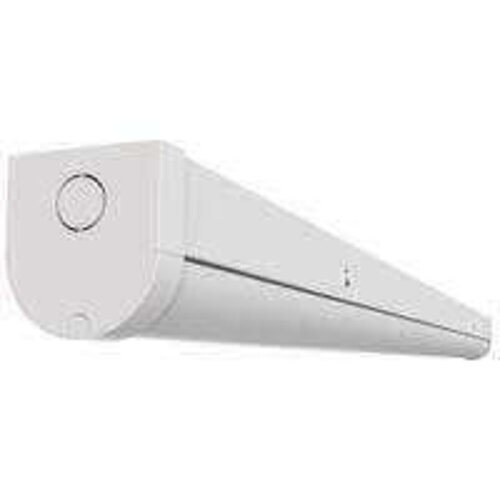
Luxna Twin LED Emergency Batten - 6ft white 4000K 9840lm IP20 3 hours 82W
6ft twin LED emergency batten, 9840lm, 4000K, 3-hour backup
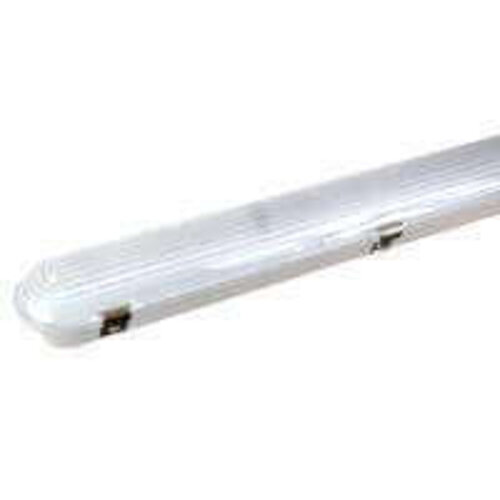
Luxna Non-Corrosive Single LED - 6ft 40W 4800lm 5000K IP65 White
Luxna 6ft 40W LED non-corrosive batten, 4800lm, 5000K, IP65 white
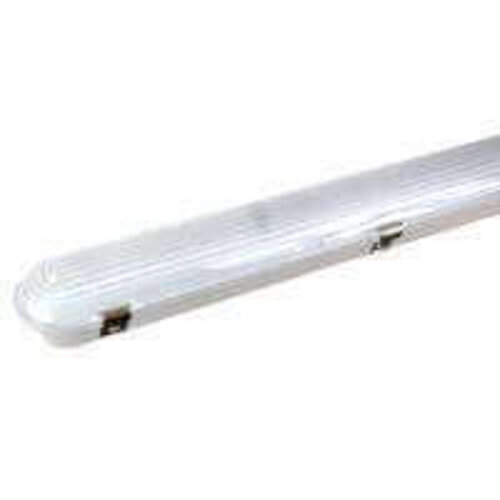
Luxna Non-Corrosive Single LED Emergency Light - 6ft, 40W, 4800lm, 5000K, IP65, …
6ft LED emergency batten, 40W, 4800lm, 5000K, IP65, 3-hour maintained
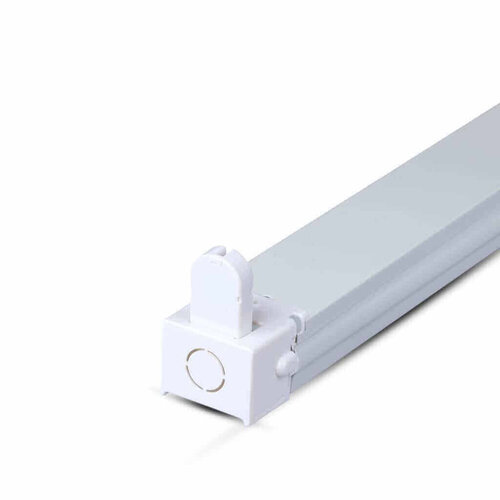
V-TAC LED Tube Light Indoor Batten Fitting IP20 - 60cm Single Cool White
Indoor LED batten fitting for T8 tubes, cool white light, IP20 rated, 60cm lengt…
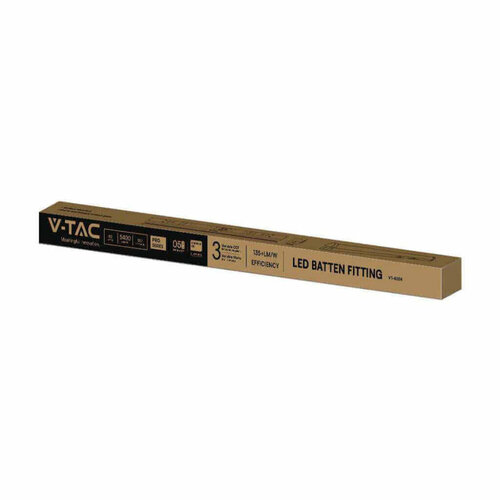
V-TAC LED Batten Fitting Emergency - 6ft 40W/50W/60W Samsung Chip CCT 3-in-1 135…
6ft LED batten fitting with emergency backup, selectable wattage and colour
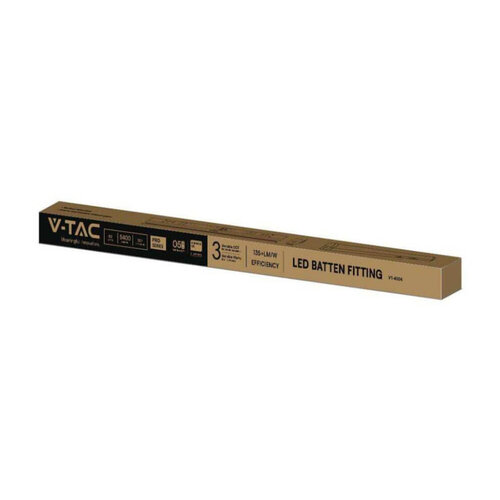
V-TAC VT-4004SE 20W/30W/40W LED Batten Fitting with Sensor and Emergency 4ft Sam…
4ft LED batten with selectable wattage, sensor, emergency function and 135lm/W
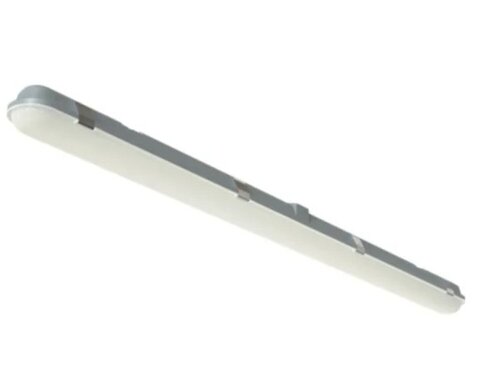
Ansell Tornado Pro IP65 LED with EM Non Corrosive Batten - 20W 4000K
LED non-corrosive batten, 20W 4000K, IP65, with emergency
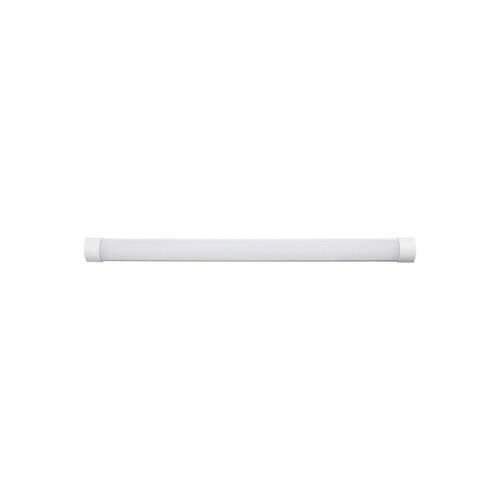
V-TAC Super Slim LED Batten Light - 20W 2400lm 2ft CCT
20W 2400lm indoor slim LED batten with 3CCT toggle
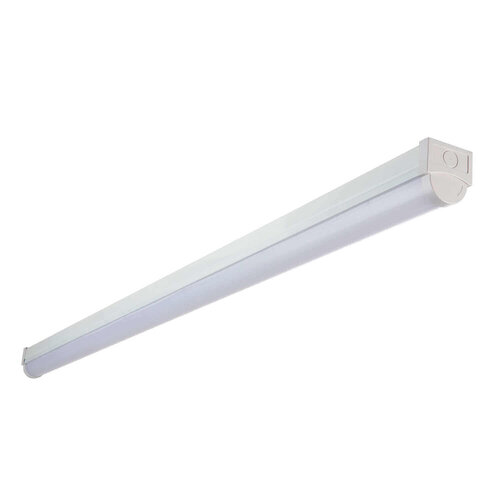
Saxby RularPRO Emergency LED Module - 5ft 39W Opal PC Gloss White SMD 2835 CCT
5ft 39W emergency LED module, opal PC, switchable CCT 3000/4000/6000K, 5460lm, 1…
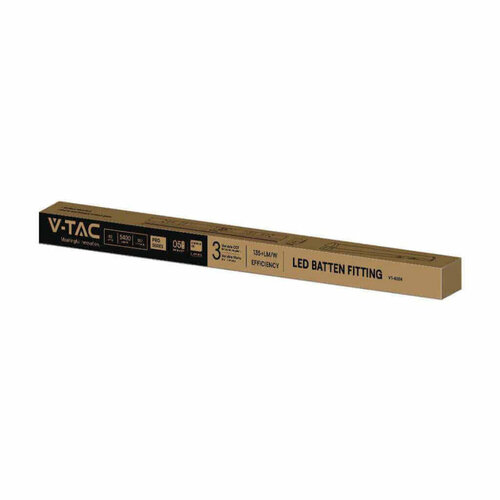
V-TAC LED Batten Fitting - 4ft, 20W/30W/40W, CCT 3in1, 135lm/W, Samsung chip, st…
4ft LED batten fitting with selectable power, colour temperature, and Samsung ch…
For the Trade
Start with the space you’ve got and what the fitting needs to do. That usually settles the job before you get into finish or extras. In a narrow run, low ceiling, or service area, a slimline batten keeps things tidy. In a bigger bay or workshop, output and spread come first. A linkable run can cut out separate fittings where the layout is long and straight. Dimmable only makes sense if the control gear is there and the light level really needs to change. The common miss is choosing by size alone, then finding the beam or spacing does not suit the room.
Types of Led Batten Lights
Most jobs come down to how you want the run laid out and how much fixing time you’ve got. A standard led batten light is the usual pick for a straightforward replacement or a clean surface run.
Slimline led batten lights suit tighter ceilings and give a neater finish where bulk matters. You lose a bit of presence, but that is often the point.
If you’re covering a longer line, linkable led batten lights save you breaking the run into separate fittings. The trade-off is less flexibility if the layout changes later.
A led batten fitting is the term to use when you need a simple surface-mounted solution rather than anything decorative.
Selection Factors for Led Batten Lights
What usually decides it is the run you’re covering and how much control you need over the output. For a straight replacement, a plain led batten light keeps the spec simple and avoids extra control gear.
If you’re joining lengths or covering a long bay, linkable led batten lights keep the line continuous. You do need to plan the run properly. If the job needs a different beam pattern or a more architectural finish, look at Downlights instead.
For larger commercial spaces, Commercial Lighting usually gives you more choice on output and layout than a single batten line.
Finish the Room
Once you’ve picked the led batten lights, the next call is what the room still needs around them. In a plant room, corridor or store, that often means sorting the adjacent finish and any access panels before you close up. A tidy run still depends on the parts around it.
If the job needs a cleaner ceiling line as well, look at the surrounding commercial lighting and downlights together rather than treating them separately. One gives you the general spread. The other handles the spots where a batten would sit awkwardly. That kind of detail helps avoid a return visit when the last fixings are already in.
Related searches
Local availability for Led Batten Lights










