Led Drivers
Led drivers come down to three checks: output type, voltage, and whether the load needs dimming. Constant current units suit fittings that need a set current. Constant voltage options are the usual pick for strip-style runs and other 12v or 24v jobs. If the spec calls for dimming, buy the dimmable version up front - changing it later is where the call-backs start.
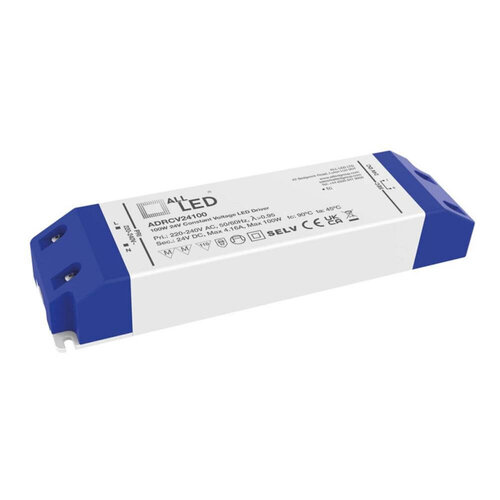
ALL LED Constant Voltage LED Driver Non-Dimmable - 24V DC 100W IP20
24V DC constant voltage LED driver, non-dimmable, 100W, IP20.
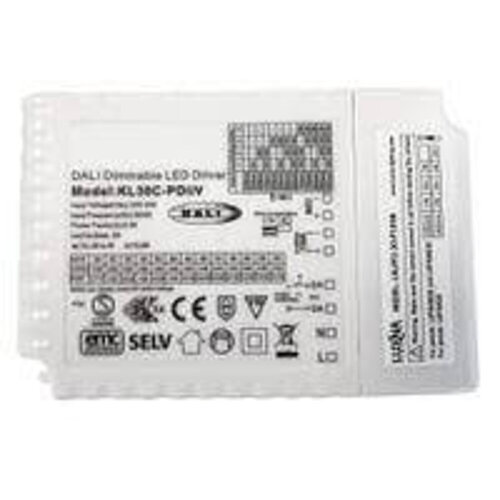
Luxna LED Multi Dimmable Driver, Push / Dali / 0-10V - 300mA-900mA, 3W-30W, Whit…
Dimmable LED driver 300-900mA 3-30W with Push/DALI/0-10V, white, IP20
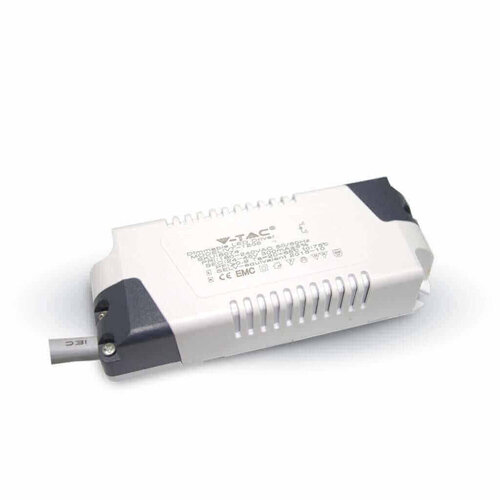
V-TAC Triac Dimmable Transformer for LED Panel - 24W
24W TRIAC dimmable LED driver with overload protection, IP20
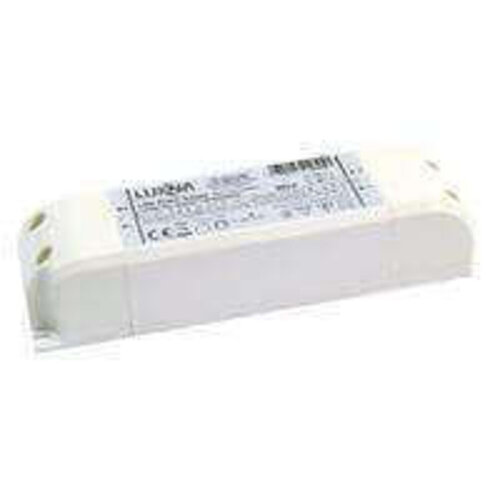
Luxna LED Driver Non Dimmable - 30W IP20
Non-dimmable 30W LED driver, IP20 rated
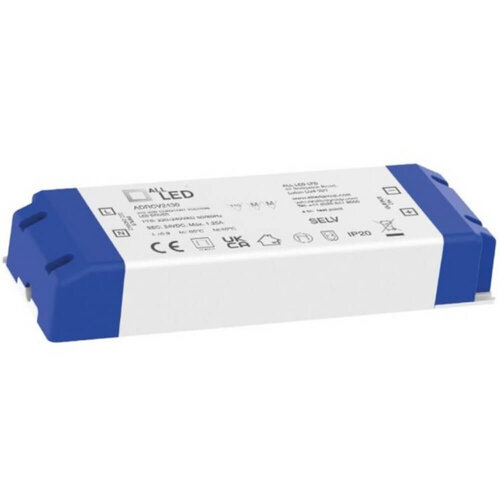
ALL LED Constant Voltage LED Driver Non-Dimmable - 24V, 30W
ALL LED non-dimmable 24V 30W constant voltage LED driver.
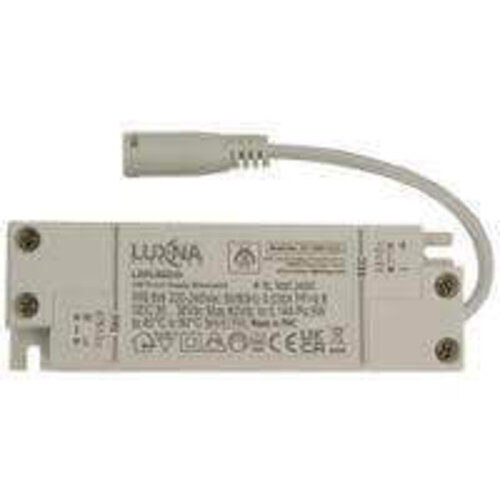
Luxna LED Dimmable Driver - 6W
Dimmable 6W LED driver, length 125mm, width 38mm, depth 30mm
LED Driver Constant Voltage IP67
Constant voltage LED driver with IP67 rating.
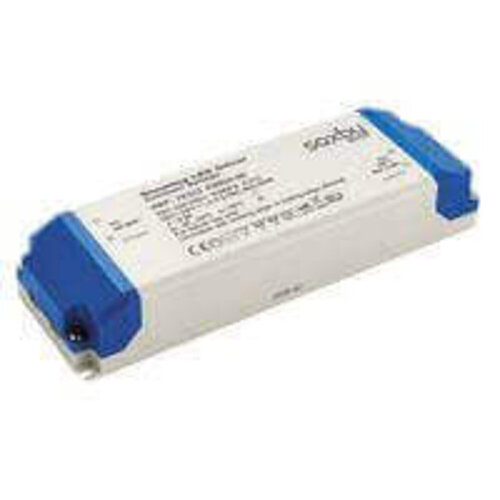
Saxby Constant Voltage Triac Dimming LED Driver - 50W, 24V
50W 24V constant voltage LED driver with Triac dimming, polycarbonate.
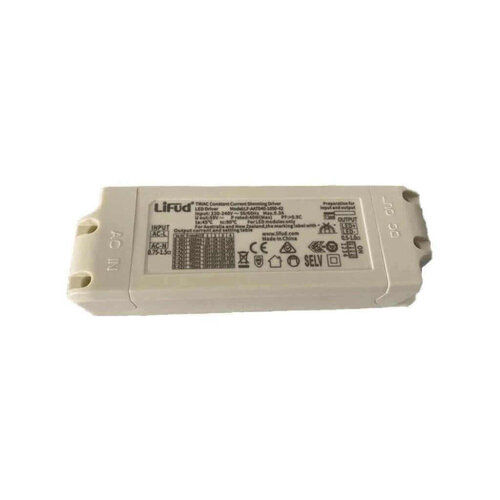
V-TAC 40W Triac Dimmable Driver for LED Panel
40W Triac dimmable constant current LED driver
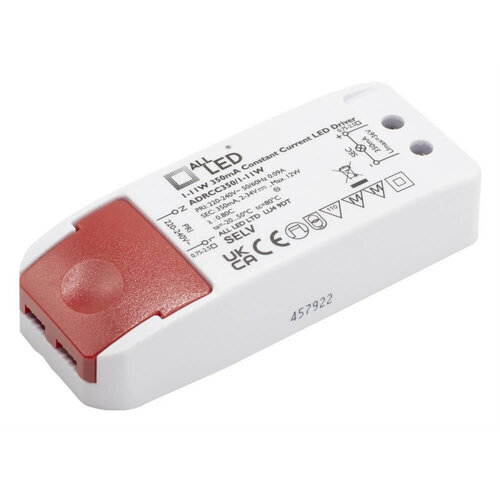
ALL LED Constant Current LED Driver - 1W-11W, 350mA, IP20
1-11W 350mA LED driver with 20m loom and loop-out feature
For the Trade
Start with the space you’ve got and how the fitting will be used. That usually decides the driver before you get into finishes or extras. A cramped void, a remote mount, or a warm location can rule out a few options straight away, and that’s where call-backs start if you force the wrong unit in. After that, check whether the job needs dimming, fixed output, or a specific voltage. Match the driver to the load rather than the other way round. The usual mistake is buying for the fitting family and not the actual layout.
Led Driver Options Compared
Most jobs come down to three choices. A plain led driver is the standard fixed-output option. A led power supply is the same sort of kit when that’s how the spec is written. A led transformer is still the name you’ll hear on site for some jobs.
Constant current gear suits fittings that need a set current. Constant voltage is the one you reach for on strip-style runs and similar loads. The trade-off is simple - pick the wrong type and the fitting won’t behave as it should.
Dimmable led drivers only make sense when dimming is part of the job. Otherwise you’re paying for extra kit and another thing to check.
If you’re cross-referencing the wider Lighting range, keep this section in mind. The wrong format usually shows up later as flicker, mismatch, or a call-back.
Choosing Materials and Size
The first check is what the fitting wants. That decides the driver before anything else. If the load is fixed and the current is set by the luminaire, go with constant current gear. If it’s a strip or other fixed-voltage run, price up a constant voltage led driver.
Check dimming early as well. A non-dimmable unit is fine until the spec changes, and then it’s a return. For Downlights, the choice often comes down to space behind the fitting and whether you need a remote unit. For Commercial Lighting, load, control gear and maintenance access usually matter more.
Completing the Setup
Once you’ve picked the right led drivers, the next call is what sits around them and how much room you’ve got to hide the gear. In a tight void, a slim panel or access screen can save you grief later. A proper enclosure or storage point is worth it where the driver may need changing without disturbing the rest of the run.
On commercial jobs, that often matters more than the fitting itself - a neat install is only neat if you can still get back to the driver. If the spec is moving on to adjacent finishes, keep the access side of the job in mind before you close it up.
Related searches
Local availability for Led Drivers







