Light Bulbs
When you’re choosing light bulbs, start with the fitting, the output you need, and whether the lamp is on a dimmer. GU10, E27, E14 and bayonet light bulbs all do the same job, but the wrong cap or a non-dimmable lamp bulb is where the call-backs start. LED light bulbs are usually the first swap for most replacements. Filament or decorative versions make more sense where the fitting is on show and the look matters.
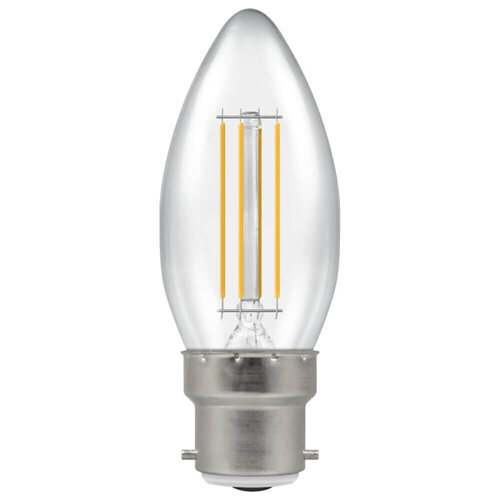
Crompton Candle LED Light Bulb B22 4.2W (40W Eqv) - Warm White 10-Pack Clear
Clear warm white LED candle bulb 10-pack, B22, 4.2W (40W eqv)
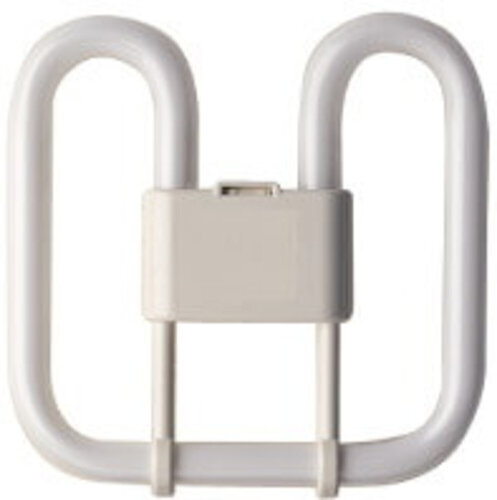
Kosnic 2D Compact Fluorescent Lamp - 16W 2 Pin 865 6500K Cool White
16W 2D compact fluorescent lamp, 2-pin, 6500K cool white.
Bell LED 5W GU10 Bulb - Warm White 5 Pack
5W GU10 LED bulb in warm white, pack of 5
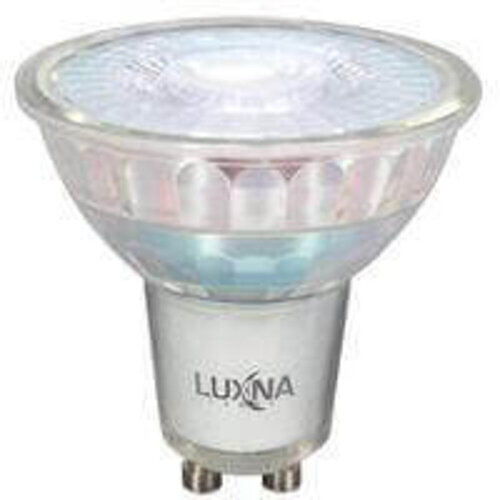
Luxna LED Glass SMD Lamp - GU10 5W 6000K 450lm dimmable
Dimmable LED GU10 lamp, 5W cool white, 450lm, glass body
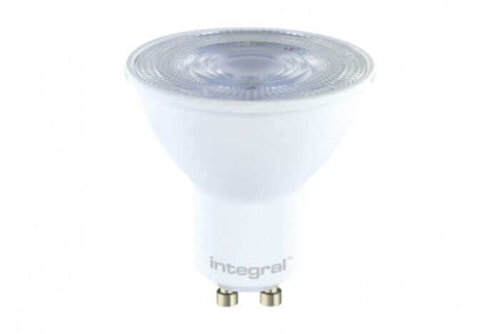
Integral LED GU10 Bulb Non-Dimmable Cool Daylight - 390lm 4W
4W non-dimmable GU10 LED bulb, 390 lumens, cool daylight
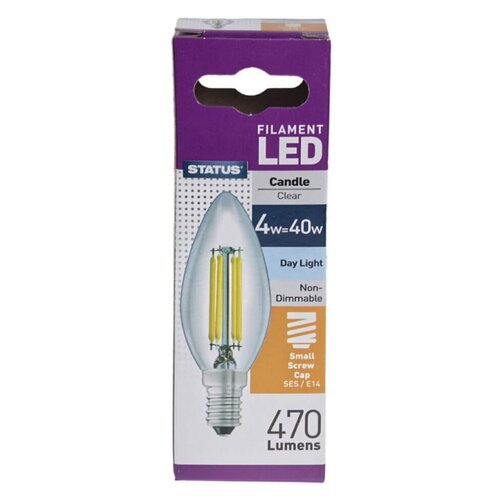
Status LED SES Candle Daylight Filament Lamp - 4W
4W LED filament candle lamp, SES cap, daylight, equivalent to 40W.
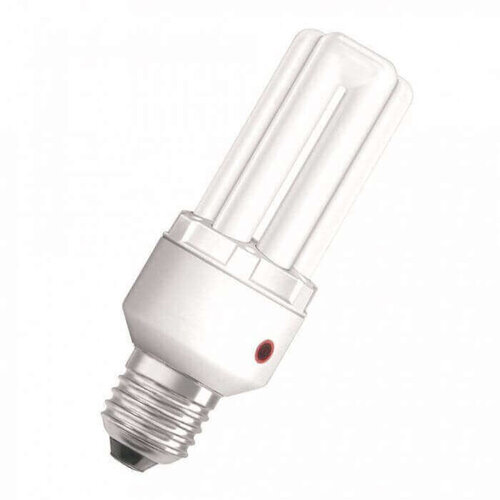
Status Stick Sensor or Photocell Low Energy Lamp - ES 2700K Warm White 15 Pack
15-pack low energy sensor lamps, warm white, E27, dusk-to-dawn
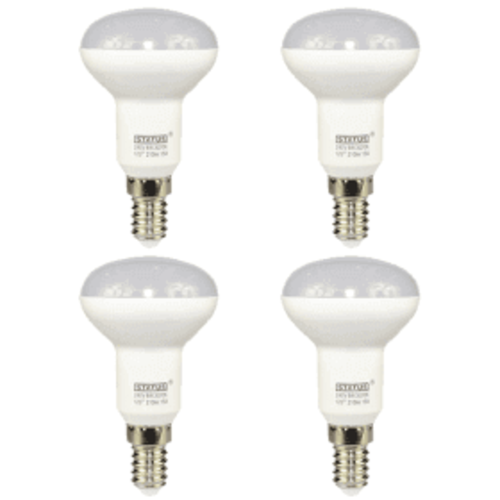
Status LED Reflector Bulb - R50 6W E14
6W R50 LED reflector bulb, E14 SES, warm light, 40W equivalent
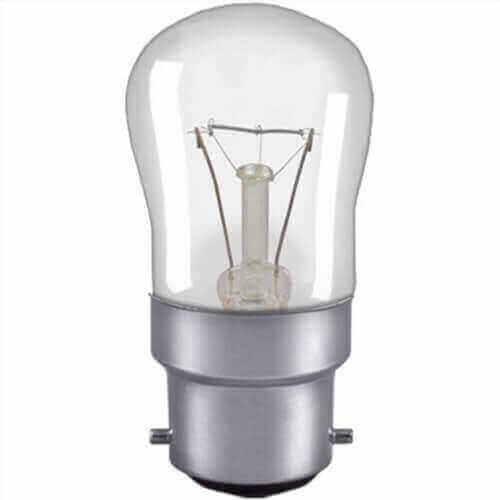
Crompton Lamps Pygmy B22 Dimmable Lamp - 15W warm white clear
15W warm white clear dimmable pygmy bulb with B22 bayonet cap, IP65 rated
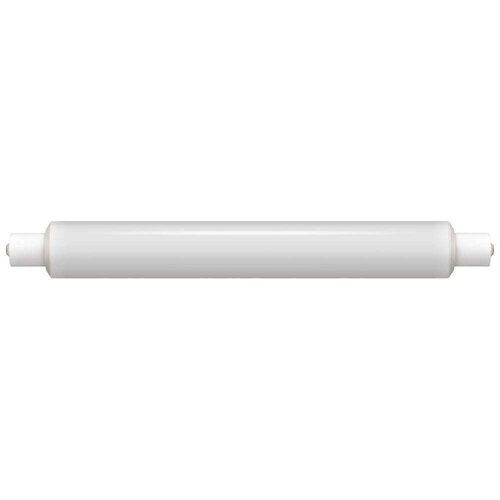
Crompton Lamps LED DET Tubular SCC-S15 - 221mm 3.5W cool white opal 30W equivale…
221mm 3.5W cool white LED DET tubular bulb
For the Trade
Start with the space you’ve got and how the lamp will be used, then narrow the light bulbs from there. A tight fitting or shallow shade rules out some shapes straight away. A dimmer changes the choice again, because not every lamp bulb behaves well at low output. Most call-backs come from the wrong cap or a bulb that looks right on paper but sits awkwardly in the fitting. If you’re replacing like for like, keep the cap and size consistent first, then decide whether you want a standard LED, a dimmable option, or a more decorative finish.
Popular Light Bulb Formats
For most jobs, you narrow light bulbs by format before anything else. LED light bulbs are the usual pick when you want lower running cost and less heat, but the lamp still has to suit the bulb, and any dimming gear needs checking.
Bayonet light bulbs still make sense when you’re swapping like for like and want the same cap back in without changing the holder. Screw light bulbs, including e27 light bulbs and e14 light bulbs, cover the same sort of replacement work. E27 suits larger general-purpose fittings. E14 is more common in smaller decorative lamps. GU10 light bulbs are the one you reach for when the fitting takes a mains spotlight lamp, though the wrong type is less forgiving once it’s in hand.
Key Differences When Choosing
The first check is the fitting and the lamp body around it. That tells you if you’re buying a straight replacement or changing the look of the job.
After that, check whether it needs to dim cleanly and whether LED light bulbs make sense for the running cost. A cheap swap that flickers on a dimmer gets called back.
Shape matters too. A shallow shade or tight lantern usually rules out the bulkier options. Decorative lamp bulbs are picked more for the finish than the output.
If the job is moving away from lamps altogether, Downlights are the next call. If you only need the light to come on when someone’s there, Motion Sensors may be the better buy.
Next Decisions After Choosing
Once you’ve settled the bulb spec, the next call is usually the gear around it - the fitting, any trim or screen, and whether the lamp needs a matching control or sensor. That keeps a simple replacement from turning into a second visit.
A lot of call-backs come from mixing the wrong bulb with the wrong fitting, or leaving the control side unresolved. If the job includes downlights or a timed circuit, sort those parts with the light bulbs so you’re not back chasing compatibility after the fact.
Related searches
Local availability for Light Bulbs












