Light Fittings
When you’re choosing light fittings, start with the fixing point and how much of the fitting you want to show. Flush light fittings suit low ceilings and tight spaces. Pendant light fittings work when you want the drop. Wall light fittings are used where you need light off the main ceiling line. The usual call comes down to clearance, access and the finish you’re matching.
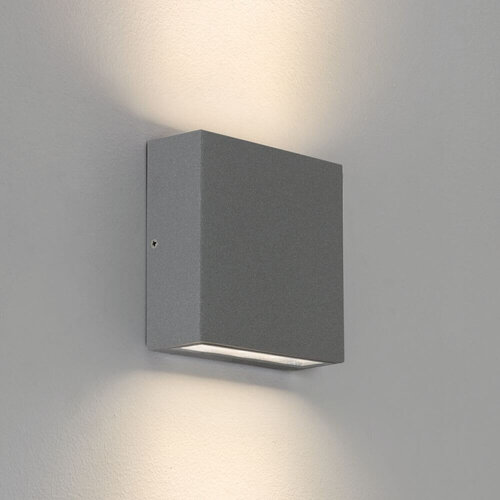
Straight Battenholder - T2 HO BC
White straight battenholder with BC (bayonet cap) fitting.
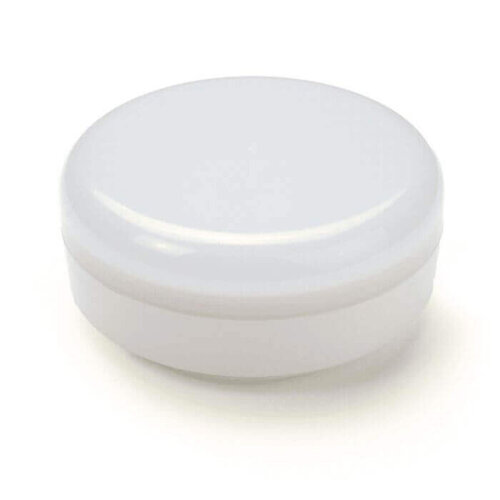
Hispec Oregon LED Round Bulkhead - 5W White IP44
LED round bulkhead with even light distribution, 5W 400lm, white IP44
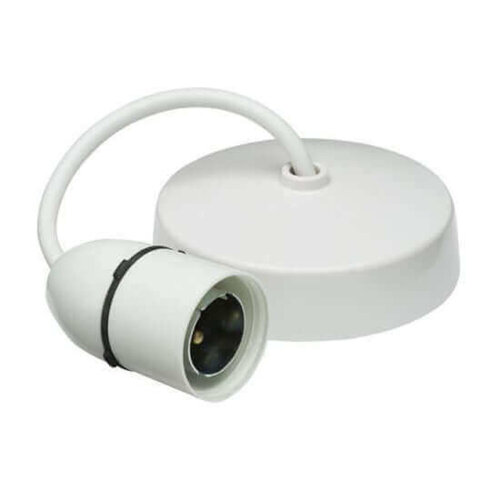
Knightsbridge Ceiling Pendant Set 3 Plate T2 BC-Type - 6" White
White 6-inch ceiling pendant set with BC-type lampholder
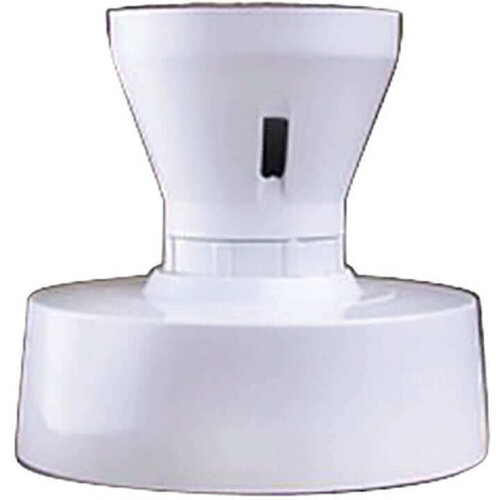
Batten Lampholder Loop In
Batten lampholder with loop-in wiring
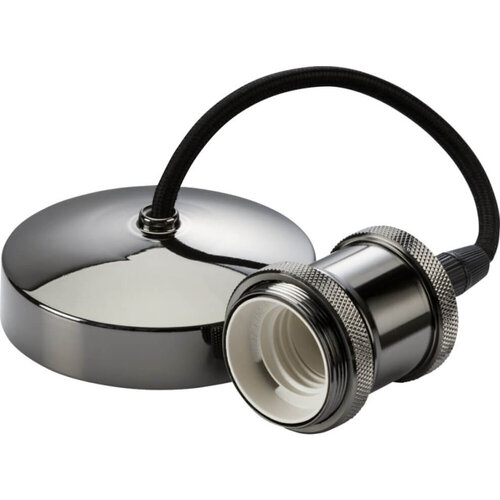
MLA 6" E27 Vintage Pendant Set - Black Nickel
6-inch vintage pendant lamp holder with E27 fitting in black nickel
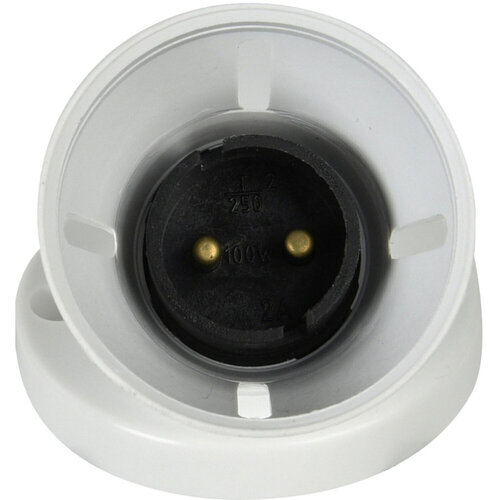
Made4Trade T2 Batten Holder - Angle
Angled batten lamp holder, white matt, B22, 230V, interior use
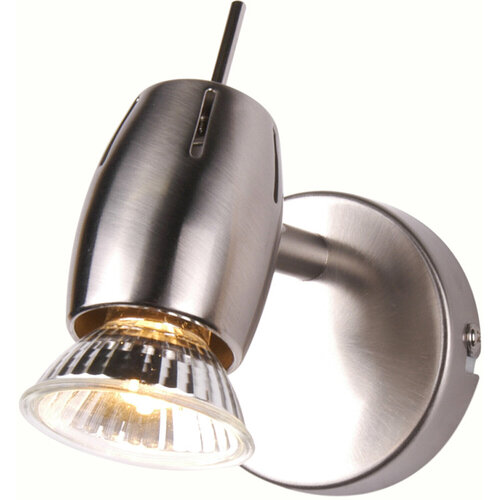
Inlight Pluto GU10 Single Spotlight - Satin Nickel
Single GU10 spotlight with satin nickel finish, max 35W
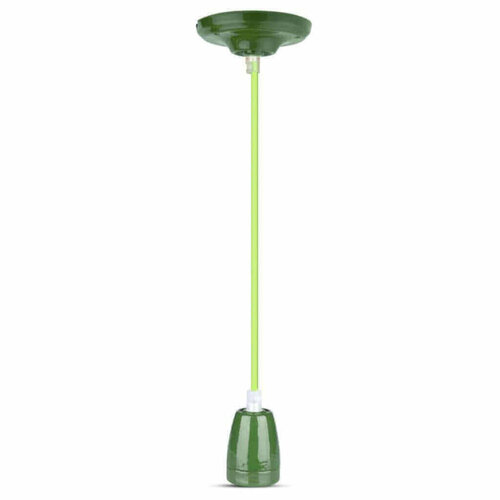
V-TAC High Frequency Porcelain E27 Lamp Holder - Green
High-frequency green porcelain E27 pendant lamp holder, IP20
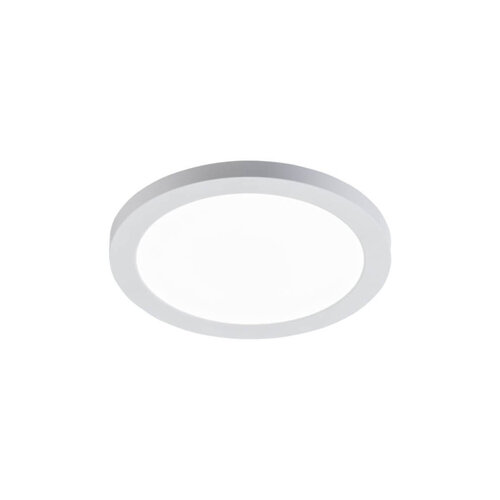
CCT Adjustable LED Panel Wi-Fi - 217mm 230V 18W
Wi-Fi adjustable CCT LED panel, 217mm, 18W, indoor use
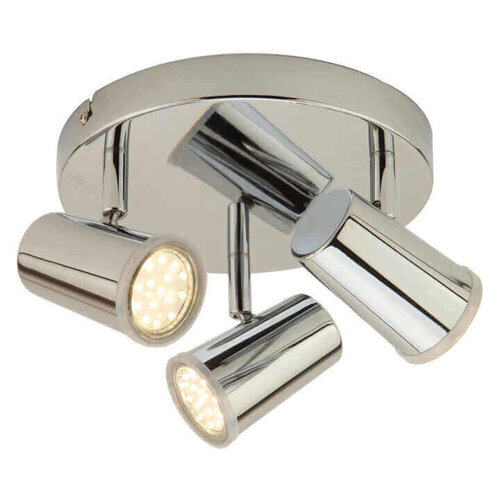
SPA Lighting Freya Triple Plate Round Spotlight IP44 - Chrome
Chrome triple round plate spotlight, IP44 rated
For the Trade
Start with the space you’ve got and how the fitting needs to sit in it, then narrow the rest from there. On a tight ceiling, a low-profile option keeps the room clear. If you have more drop, pendant light fittings give you room without crowding the layout. For a cleaner finish, flush light fittings usually get the nod. When the fitting needs to carry more of the look, decorative light fittings or wall light fittings change the feel without changing the basic job. The usual mistake is picking the style first, then finding it does not suit the space.
Light Fitting Options Compared
Ceiling light fittings are the usual pick when you want the job kept tight to the ceiling and there’s no need for much drop. Flush light fittings suit tighter headroom because they stay out of the way. Semi flush light fittings give you a bit more presence without hanging too far.
Pendant light fittings work when the fitting itself needs to be seen and the drop is part of the spec. They need more care over position and alignment. Wall light fittings make sense where you want to take load off the ceiling or spread light around the room, but they are rarely the first choice if you need the main source from above. Led light fittings are worth a look when you want to avoid separate lamp changes later, but you give up some flexibility on lamp choice.
Choosing Materials and Size
The first call is usually finish and scale, not just style. A flatter fitting gives you a cleaner, lower-profile result and sits tidier to the ceiling. That helps in smaller rooms or where headroom is tight.
If you need more presence, a semi flush or decorative fitting adds depth. You gain visual weight, but you give up some clearance.
Modern light fittings suit jobs that need a sharper look and simpler lines. The trade-off is they can show up poor ceiling levels or awkward fixing points more than a plainer fitting. If the fitting needs to stay discreet, Downlights are usually the next check. If you’re matching a scheme across several areas, Commercial Lighting is where trades usually look next.
Completing the Setup
Once the light fittings are chosen, the next call is what sits around them on the job. If the ceiling is being finished out, check the surrounding panels and any access you still need for wiring or maintenance before you close it up. Miss that and you make life harder later.
In rooms with exposed services or a more commercial finish, the fitting choice usually sits with the ceiling build-up. Line up the finish before you commit. If the spec is moving toward a cleaner, lower-maintenance setup, look at the related commercial lighting and downlights ranges at the same time rather than buying the fitting in isolation.
Related searches
Local availability for Light Fittings














