Motion Sensors
Motion sensors usually come down to what you want to control and how the area gets used. A PIR motion sensor suits straightforward movement detection and is the common pick where you want lights to come on and off without fuss. Occupancy sensors or presence sensors are worth a look where people may stay still for longer and you want to avoid nuisance switching. Buy on spec, not price alone - if the sensor is too sensitive or the coverage is too narrow, you’ll get call-backs.
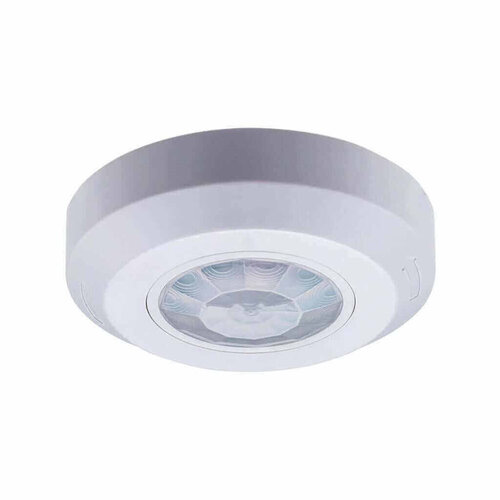
V-TAC PIR Infrared Motion Sensor Ceiling Mounted - White body Max:200W LED
Ceiling-mounted PIR motion sensor, 360° detection up to 8m, max 200W LED load
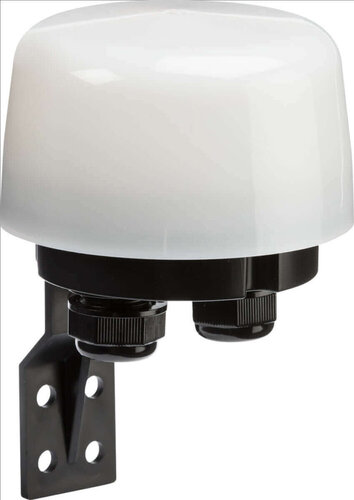
Knightsbridge Photocell Control Sensor - 230V 10A IP66
Automatic photocell sensor for outdoor lighting, 230V 10A IP66
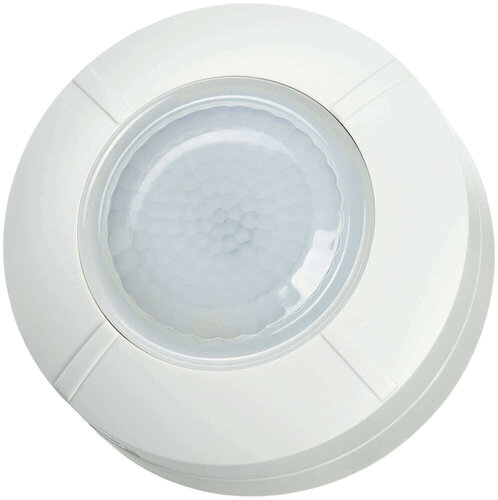
Timeguard PIR Light Controller
PIR security light controller for ceiling surface mounting, IP44, 250W LED max.
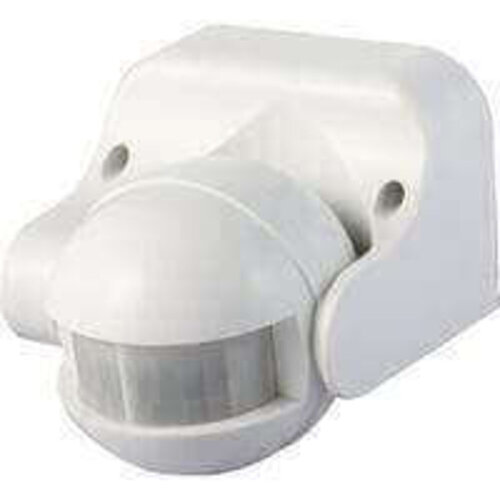
Knightsbridge IP44 180° PIR Sensor - White
White 180° PIR sensor with IP44 rating
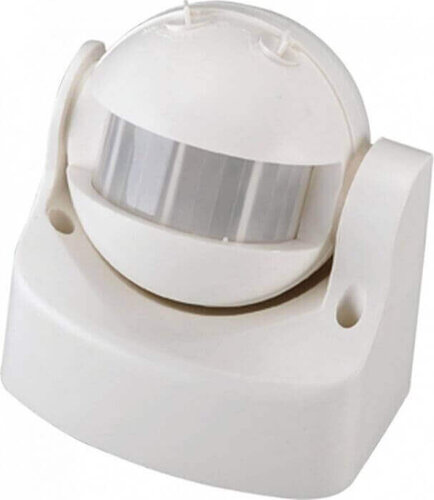
Knightsbridge 180° PIR Sensor - White 240V
IP44 180° PIR sensor, wall/ceiling mountable, 12m range, 240V
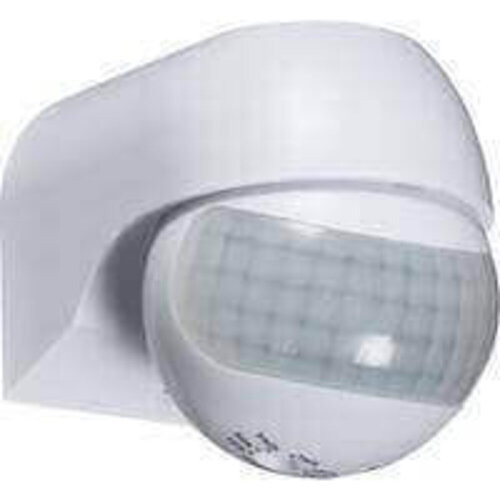
Knightsbridge IP44 180° Mini PIR Sensor - White
Knightsbridge white mini PIR sensor with IP44 rating and 180° detection
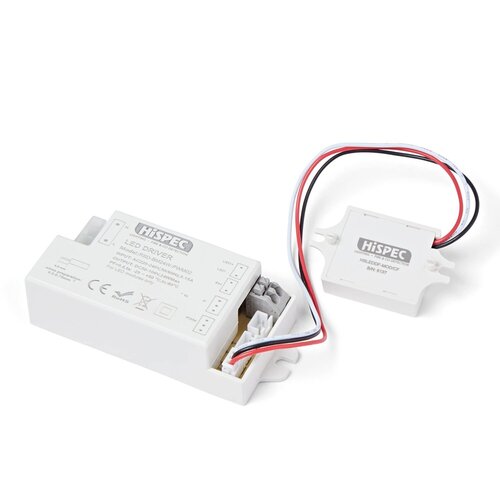
Hispec Pacific Plug-in & Play LED Module Corridor Function Microwave Sensor
Plug-in microwave sensor for Hispec Pacific LED modules with corridor function
Aurora AU-BHEMSC Corridor Microwave Sensor for AU-BHE20CWS
Microwave corridor sensor with 4m range for Aurora MestorCWS
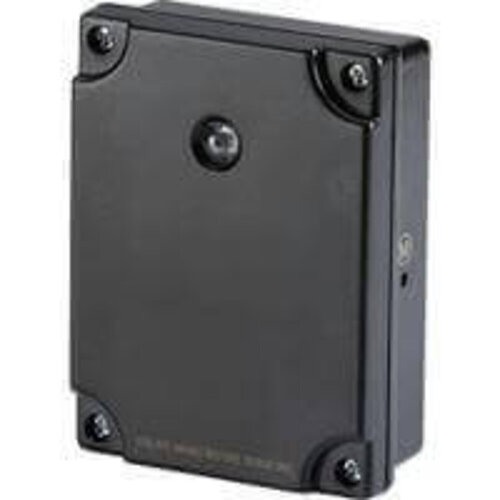
Knightsbridge Photocell Switch - 500W / 1000W / 2000W IP55 black wall mountable
Knightsbridge IP55 black photocell switch, dusk-to-dawn timer, wall mountable.
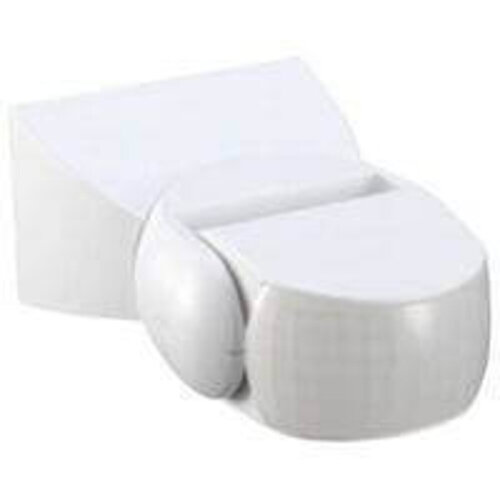
Greenbrook Orion Infrared Adjustable Motion Sensor - 160° 12m IP65 White
White PIR motion sensor, 180° detection, 12m range, IP65
For the Trade
Start with the space and how it’s being used, then the rest of the choice gets easier. In a tight corridor, stairwell or small store room, you usually want motion sensors with a narrower field so they do not keep picking up movement outside the area. In a larger room or open access route, coverage matters more than finish or extras, because a dead patch is what causes the call-back. A PIR motion sensor is still the common pick where you want straightforward detection. More sensitive control only makes sense if the layout and use justify it.
Types of Motion Sensors
The main split is between standalone motion sensors and motion sensor lights.
Standalone units suit you when the fitting is already chosen and you only need the control. That keeps the spec cleaner on refits and lets you match the sensor to the load.
Motion sensor lights are the simpler buy when you want the control built in. They cut down on separate parts, but you lose some flexibility if the fitting or sensor needs changing later.
A motion sensor light is usually the quicker answer for straightforward replacements. A separate motion detector gives you more room to pick the right layout. If you’re matching an existing scheme, the parent Lighting range is the place to keep the rest of the spec consistent.
Selection Factors for Motion Sensors
Start with how the area gets used, then decide how much control you need from the sensor. Basic motion sensors suit simple switching when you just want the light to come on and go off with movement. Occupancy or presence versions are worth the extra spend when you need the light to stay on longer or pick up smaller movement.
False triggers and missed triggers cause the grief, so coverage and sensitivity matter more than the label on the box. If the job sits within a wider scheme, Downlights usually call for a neater, more discreet sensor. Commercial Lighting often needs wider coverage and more reliable detection.
Finish the Room
Once you’ve picked the motion sensors, the next call is what sits around them. On a refurb, that usually means sorting the surrounding panels, screens and wall finish so the sensor is not the only new bit on show.
In a plant room or service area, you may also be matching storage and access gear to keep the space workable. Commercial lighting jobs often need the sensor choice kept in step with the rest of the scheme. Leave it too late, and the finish or fixing detail is already set around something else.
Related searches
Local availability for Motion Sensors








