Outdoor Lighting
Outdoor lighting usually comes down to where it’s going, how it’s being fed, and how much fixing you want to do later. For a neat permanent run, mains outdoor lighting is the usual pick. For a path or feature, simpler garden lights or outdoor lights may be enough. Post and lantern styles suit a set layout. Spike fittings work when the position may change.
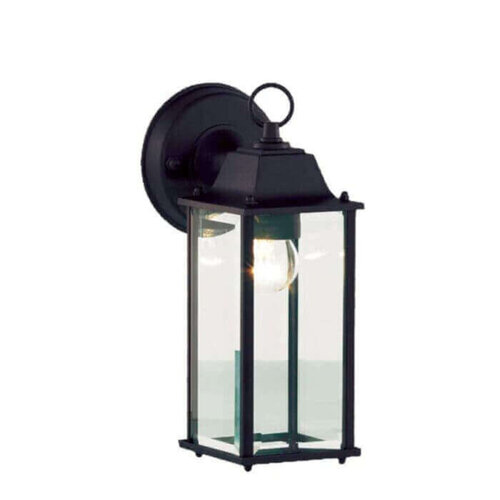
Forum Ceres Wall Lantern IP23 - 105mm x 145mm x 290mm Satin Black
Die-cast aluminium wall lantern with satin black finish and IP23 rating, E27 lam…
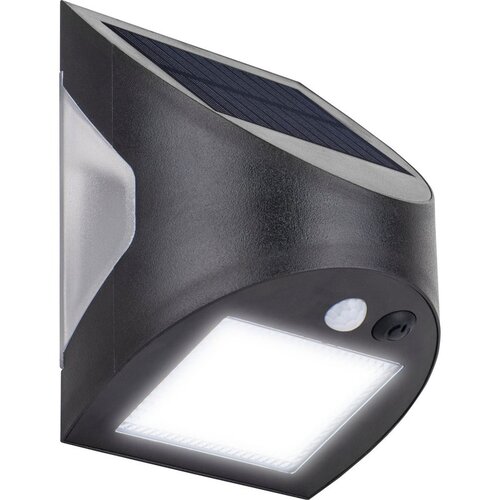
Luceco Prysm Chargeable Solar Wall Light 4000K IP54 PIR - 3W 300lm Black
3W 300lm black solar wall light with PIR sensor
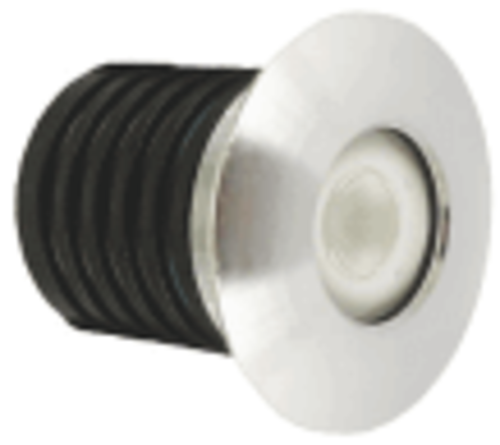
ALL LED LED Marker Lumin - 1W
1W LED marker luminaire with IP65 rating and 4000K colour temperature
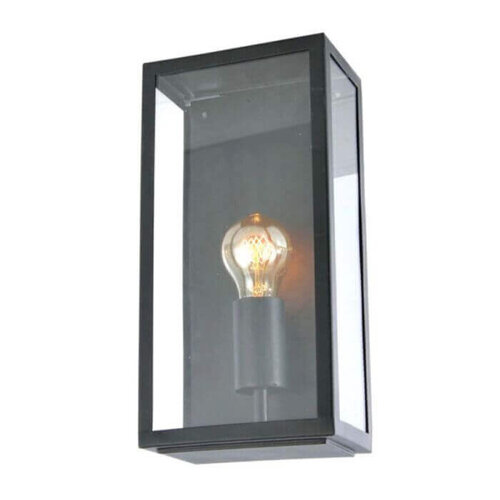
Zink Minerva Metal Box Lantern - 1x 60w Max E27 Black
Contemporary black metal box lantern with satin glass, IP44, requires E27 bulb.
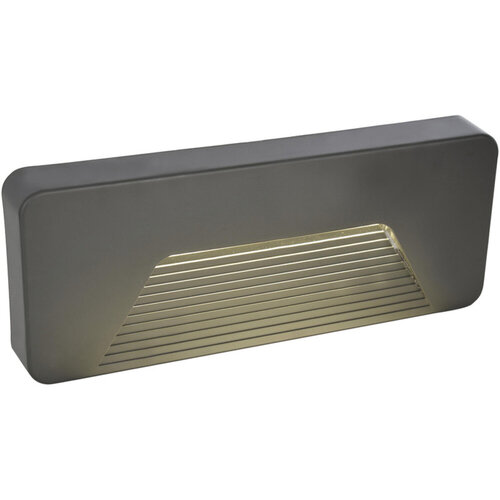
Breez Rectangular Surface LED Brick Light IP65 - 3W 280lm
IP65 LED brick light in anthracite, cool white 280lm, slim profile for pathways …
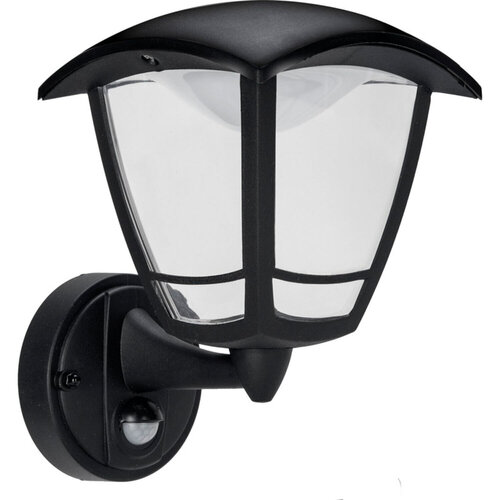
Luceco Exterior LED 4 Panel PIR Coach Lantern IP44 - 8W 640lm
Exterior LED coach lantern with PIR sensor, 8W 640lm, IP44, black
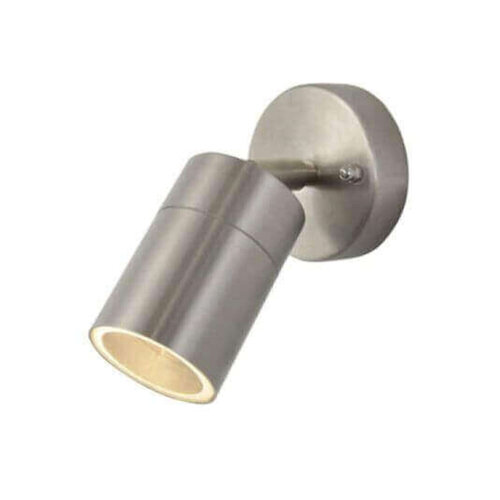
Zink Leto Stainless Steel Adjustable Up or Down Wall Light IP44 - GU10 1 x 35W Max
Stainless steel exterior wall light, GU10, max 35W, IP44, adjustable head.
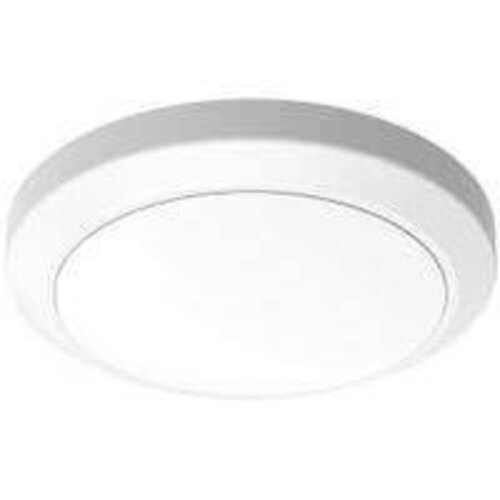
Luxna 3CCT Colour Switchable LED Round Slim Bulkhead IP65 - 10W-16W, 3000K/4000K/6500K, 327mm x 77mm, White
IP65 slim bulkhead, colour and wattage switchable, white, 327mm diameter
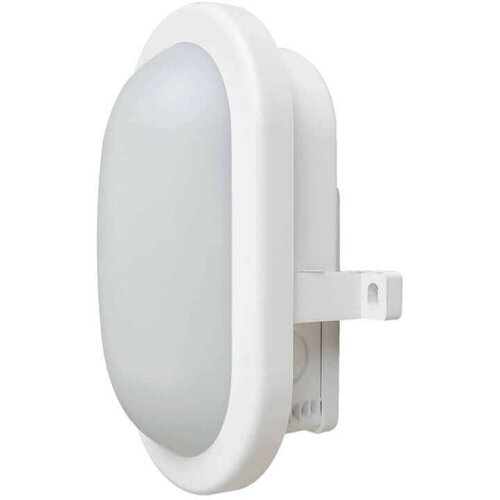
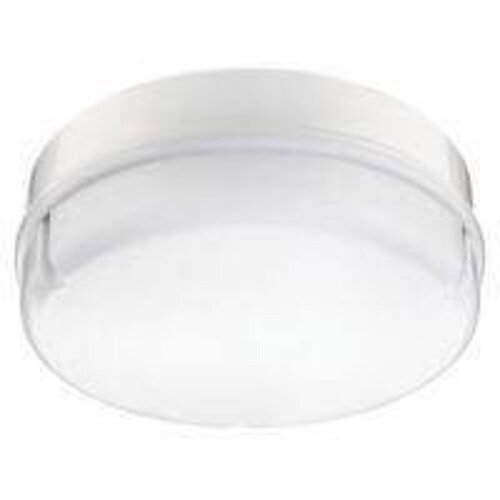
Luxna Bulkhead Round LED - 14W 4000K 1200LM Opal White IP65 EM3
Round LED bulkhead, 14W 4000K 1200lm, IP65, emergency, opal white
For the Trade
Start with space and use before you look at finishes or extras. If the run is tight, you need fittings that sit cleanly and do not crowd the area. With more room, you can be pickier about spread and appearance. Mains outdoor lighting usually makes sense where the job needs a fixed, permanent feed. Simpler garden lights can be the quicker answer where the layout may change later. At the counter, the call is usually about fixing, access, and how much rework you want to avoid once it is in.
Popular Outdoor Lighting Formats
For outdoor lighting, the first split is usually fixed or flexible. Mains outdoor lighting suits permanent runs when you want a wired scheme and fewer call-backs, but it takes more planning and commits you to the layout.
If the job is more straightforward, or likely to change, weatherproof outdoor lighting in simpler formats is easier to place and replace. You give up some permanence.
Trade outdoor lighting is the one you reach for when the spec is about a reliable result without fussing over decorative detail. Outdoor lights with post or lantern layouts suit set positions. Spike fittings make sense where you may need to shift the aim later.
Key Differences When Choosing
The first question is how fixed the run needs to be. If you want a permanent feed and a cleaner finish, mains outdoor lighting is usually the route. The trade-off is that you commit to the layout.
If the job needs more flexibility, weatherproof outdoor lighting is easier to place and change later. That helps when the final positions are not fully settled.
For feature work, Downlights keep the look tight. Commercial Lighting is the better comparison when the job is more about coverage and durability than appearance.
Next Decisions After Choosing
Once you’ve picked the outdoor lighting, the next call is what else needs finishing around it. If the run goes into a wall or fence line, sort the matching panel or screen work before the lights go in. Otherwise you end up back on trims and fixings.
Where the job includes posts, plan the base and any adjacent storage or access pieces at the same time. That’s usually where the delay comes from, not the fitting itself. Keep the surrounding finishes in step with the lighting layout, and you avoid awkward returns later.
Related searches
Local availability for Outdoor Lighting