Outdoor Lighting
Outdoor lighting usually comes down to where it’s going, how it’s being fed, and how much fixing you want to do later. For a neat permanent run, mains outdoor lighting is the usual pick. For a path or feature, simpler garden lights or outdoor lights may be enough. Post and lantern styles suit a set layout. Spike fittings work when the position may change.
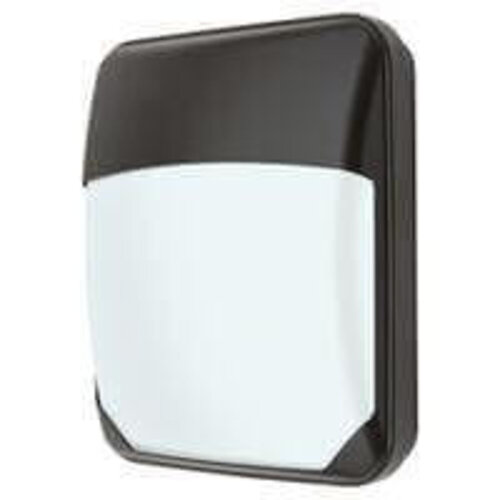
Luxna Wall Pack LED Slim - 22W 4000K 1500lm IP65 C/W photocell & 3hr emergency
22W LED slim wall pack, 1500lm, 4000K, IP65, with photocell & 3hr emergency
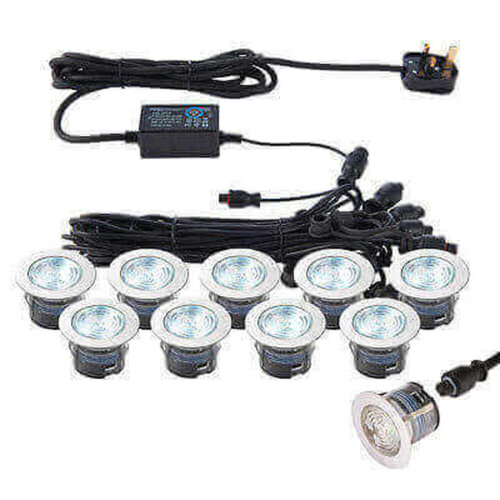
Saxby Ikon Pro Decking/Plinth Light Kit
10-piece decking light kit with switchable white/blue LED, IP67
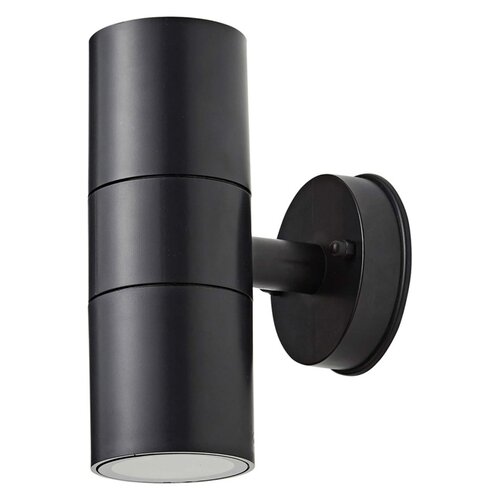
Coast Neso Up & Down Polycarbonate Light IP44 - Black
Black polycarbonate up and down outdoor wall light with IP44 rating
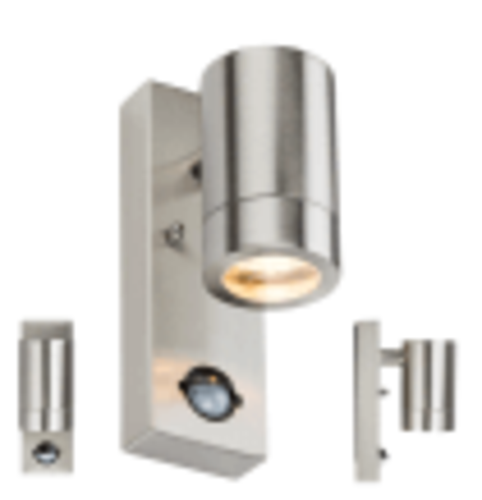
Knightsbridge WALL5LSS GU10 35W Wall Light
Outdoor wall light with PIR sensor, GU10 35W, IP44 rated
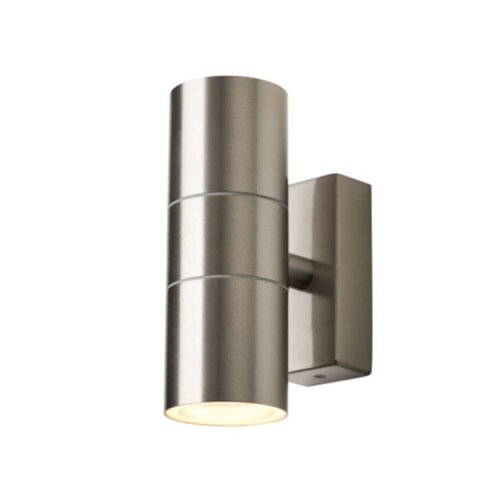
Forum Zink Mills Up & Down Outdoor Wall Light - Stainless Steel
Stainless steel up & down outdoor wall light with IP44 rating
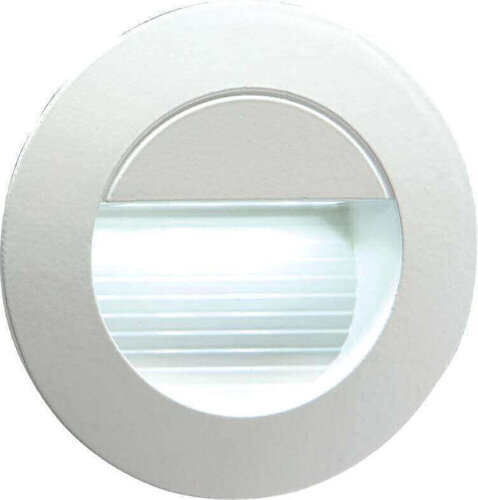
Knightsbridge NH020W 230V IP54 Recessed Round Indoor/Outdoor LED Guide/Stair/Wal…
Recessed round LED guide/stair/wall light, 230V IP54, for screwless grid system
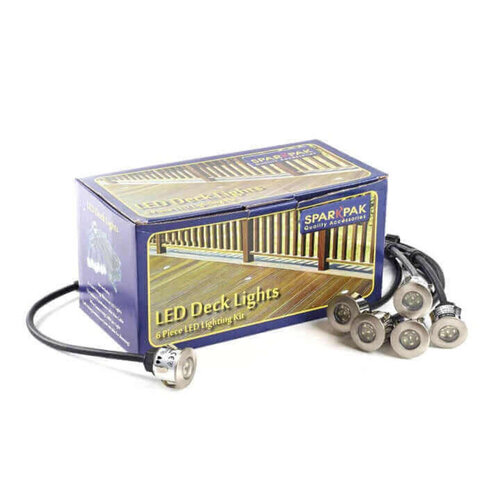
Sparkpak Deck Light Kit LED - Blue
Blue LED deck light kit for outdoor decking and patio illumination
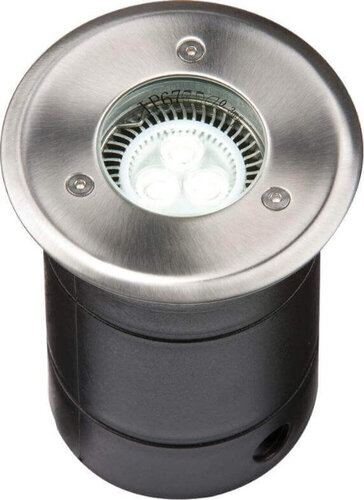
Knightsbridge Grade 304 Stainless Steel Walkover/Driveover Light - 230V IP67
Grade 304 stainless steel walkover light, IP67, 25W
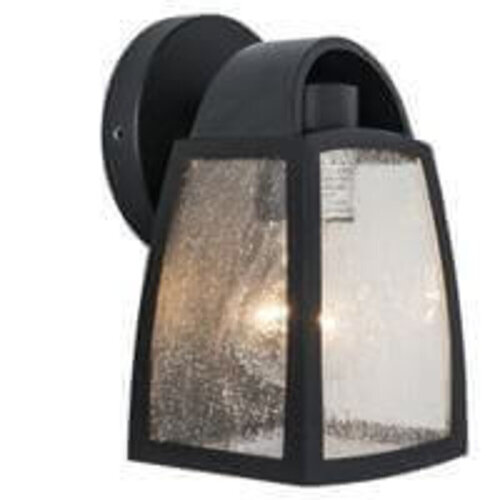
Lutec Kelsey Wall Light 40W E27 IP44 - Matt Black
Outdoor wall light with water glass diffuser, IP44, for 40W E27 bulbs
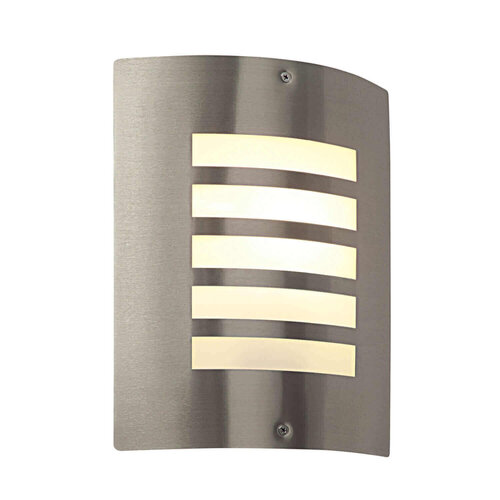
Saxby Bianco 1lt Wall IP44 10W LED E27 - Brushed stainless steel & opal PC
Brushed stainless steel IP44 wall light with opal diffuser
For the Trade
Start with space and use before you look at finishes or extras. If the run is tight, you need fittings that sit cleanly and do not crowd the area. With more room, you can be pickier about spread and appearance. Mains outdoor lighting usually makes sense where the job needs a fixed, permanent feed. Simpler garden lights can be the quicker answer where the layout may change later. At the counter, the call is usually about fixing, access, and how much rework you want to avoid once it is in.
Popular Outdoor Lighting Formats
For outdoor lighting, the first split is usually fixed or flexible. Mains outdoor lighting suits permanent runs when you want a wired scheme and fewer call-backs, but it takes more planning and commits you to the layout.
If the job is more straightforward, or likely to change, weatherproof outdoor lighting in simpler formats is easier to place and replace. You give up some permanence.
Trade outdoor lighting is the one you reach for when the spec is about a reliable result without fussing over decorative detail. Outdoor lights with post or lantern layouts suit set positions. Spike fittings make sense where you may need to shift the aim later.
Key Differences When Choosing
The first question is how fixed the run needs to be. If you want a permanent feed and a cleaner finish, mains outdoor lighting is usually the route. The trade-off is that you commit to the layout.
If the job needs more flexibility, weatherproof outdoor lighting is easier to place and change later. That helps when the final positions are not fully settled.
For feature work, Downlights keep the look tight. Commercial Lighting is the better comparison when the job is more about coverage and durability than appearance.
Next Decisions After Choosing
Once you’ve picked the outdoor lighting, the next call is what else needs finishing around it. If the run goes into a wall or fence line, sort the matching panel or screen work before the lights go in. Otherwise you end up back on trims and fixings.
Where the job includes posts, plan the base and any adjacent storage or access pieces at the same time. That’s usually where the delay comes from, not the fitting itself. Keep the surrounding finishes in step with the lighting layout, and you avoid awkward returns later.
Related searches
Local availability for Outdoor Lighting










