Work Lights
You’re usually choosing work lights on three things first: how you’re powering them, how much movement you need, and whether you want a wide flood or a more focused task light. Mains units suit longer jobs where you can leave them in place. Rechargeable or battery models make more sense when access is awkward or you’re moving between areas. A site light with a tripod or hook gives you height and spread. A smaller work light suits one trade area when you don’t want extra bulk in the way.
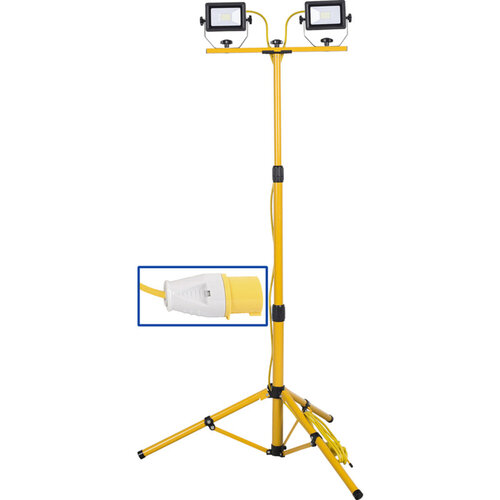
Wessex LED Twin Tripod Work Light IP65 110V - 2x20W 2x2400lm
Twin LED tripod site light, 2x20W, 2x2400lm, IP65, 110V.
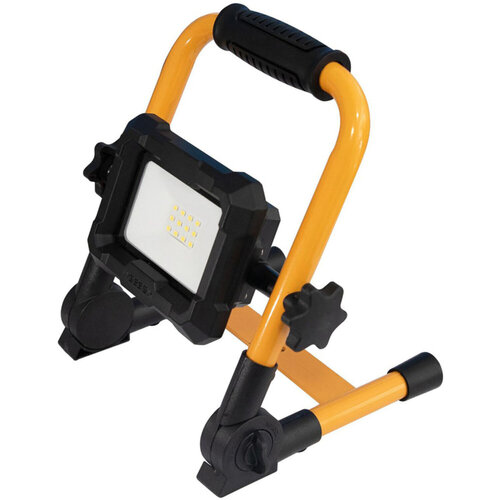
Wessex Rechargeable Work Light - 10W
10W IP54 rechargeable work light with floor stand, carry handle, and 2-hour run …
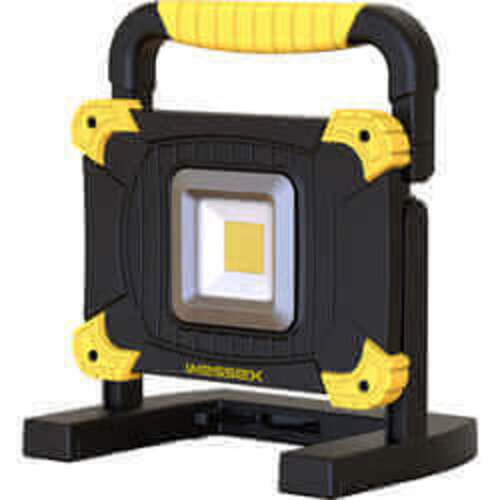
Wessex 18V Li-Ion Battery Pack LED Worklight - Body Only
Cordless 18V LED work light with up to 2000 lumens and USB charger port
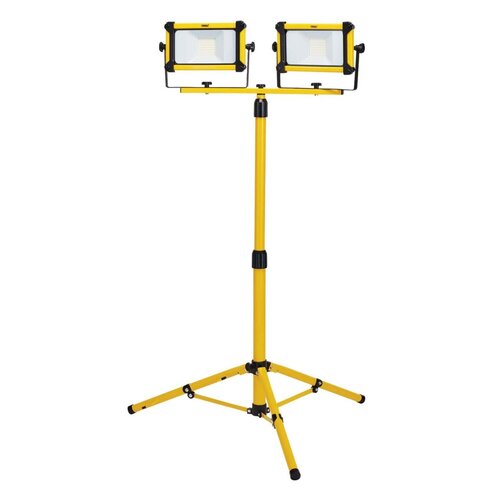
Draper SMD LED Tripod Site Light - 110V 2 x 20W 4400 Lumens
4400 lumens LED tripod site light, 110V, IP65 rated
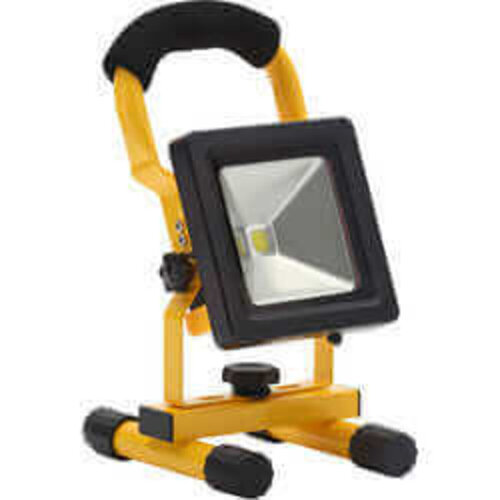
Zink Rechargeable LED Work Light IP65 - 10W 700lm
10W rechargeable LED work light with 700lm cool white and IP65
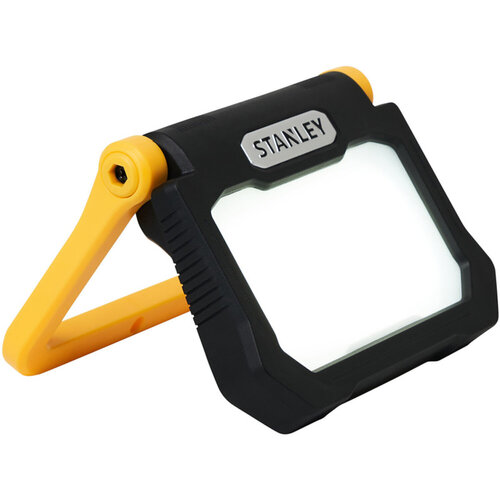
Stanley Rechargeable LED Worklight IP54 - 15W 1500lm
Stanley rechargeable LED work light, 1500lm, IP54, cool white, USB-C charging.
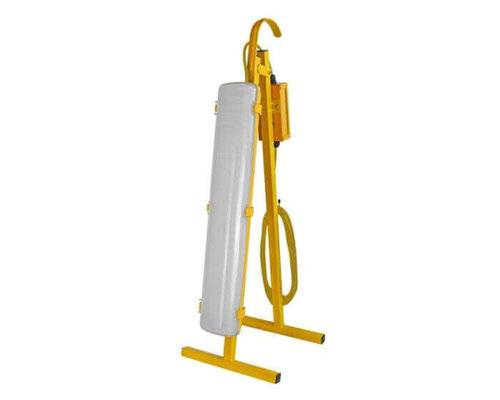
Faithfull Power Plus LED Plasterer's Folding Light - 2600 Lumens 110V
LED folding work light, 2600 lumens, 110V
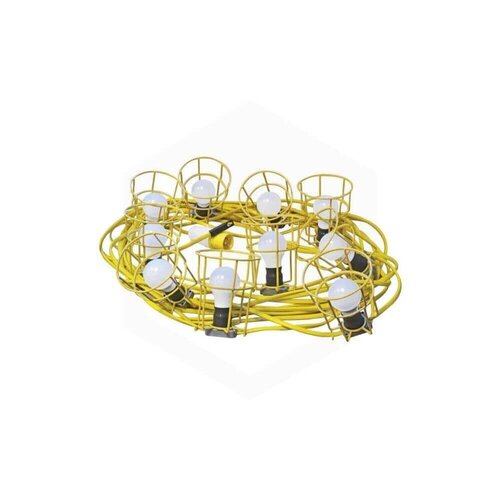
Faithfull 10 LED Festoon Lighting - 22m 110V
10 LED festoon lighting string, 22 metres, 110V
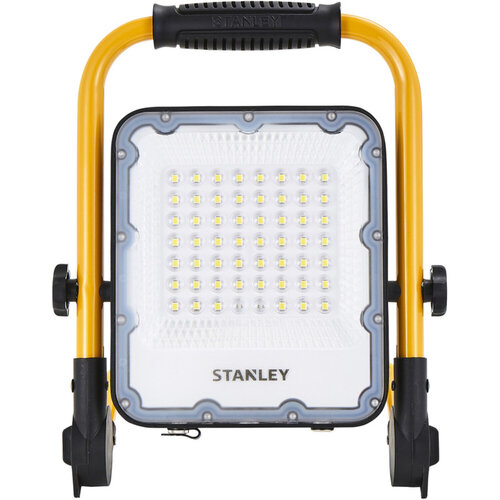
Stanley Rechargeable Folding Worklight - 20W
Rechargeable 3000lm folding site light, IP65, 20W
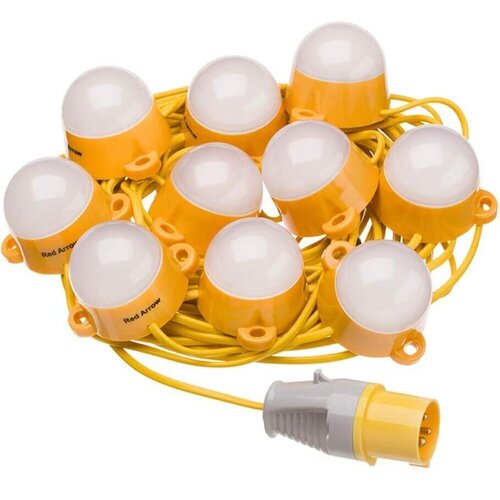
Red Arrow 110V Connectable LED Festoon Kit - 22m yellow 10 way 6000K 5500lm IP44
22m yellow 110V LED festoon kit, 10 way, 6000K, 5500lm, IP44, connectable
For the Trade
Start with the space you’ve actually got and how the light needs to sit in it. That usually decides more than finish or extras. If it needs to stay put for a long run, you’ll want a different setup from one that’s being moved from room to room or in and out of vans all day. A work light that’s awkward to position gets left behind. The jobs that come back are the ones where output was right but the layout wasn’t.
Work Light Options Compared
LED work lights are usually the first pick. You get solid output without the heat and drain you used to get from older kit.
Portable work lights suit short moves between rooms or bays. They’re easy to shift, but you give up some stability and usually some reach.
Rechargeable and battery work lights earn their keep where there’s no socket where you need it. The trade-off is charge and runtime.
Mains work lights still make sense for long shifts or fixed positions. Site work lights suit a tougher, general site light rather than a small task light.
Choosing Materials and Size
A compact site light suits jobs where you’re moving round and need something easy to shift. Go larger when you need to flood a fixed area and leave it in place.
Battery work lights earn their keep when access is awkward or the socket’s miles off. You do give up run time, and usually some output. If you only need a quick check light, Torches are the neater buy. If the job calls for fixed room lighting rather than temporary cover, Downlights belong in the spec instead.
Completing the Setup
Once you’ve picked the right work lights, the next question is what else the job needs around them.
On a fit-out or refit, that usually means the finishing items that sit with the lighting scheme - clean wall and ceiling finishes, access panels, and the storage or screens that keep the area usable while the rest of the job carries on. Check the surrounding products early. A light can be right on its own and still be awkward once the finishes and access points are fixed.
Related searches
Local availability for Work Lights












