Lighting
Lighting usually comes down to what you need the light to do, not just the fitting itself. If you need even coverage, you go one way. If you need focused light over a bench or run, you go another. LED lighting is often the first call when running costs and maintenance matter. Decorative lighting still has its place when the finish is part of the spec. The usual mistake is buying on appearance alone, then finding the output, spread or control is wrong for the space.
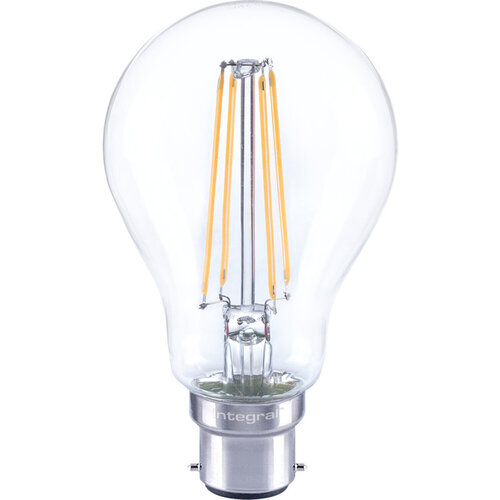
Integral LED Filament GLS Dimmable Lamp - 7W BC (B22d) 806lm
7W (60W equivalent) B22 LED filament GLS lamp, 806 lumens, dimmable warm white.
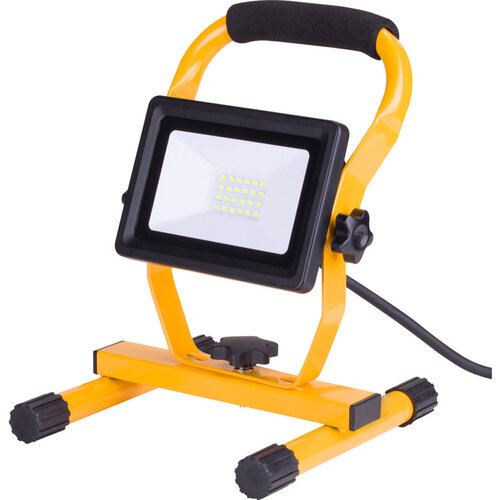
Wessex 240V LED Portable Work Light - 20W 2400lm
20W 2400lm LED site light with cool white light and IP66 protection
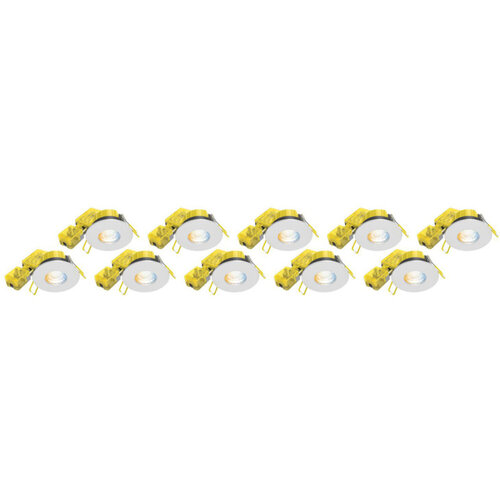
Wessex LED Integrated Dimmable Fire Rated Downlight IP65 - 6W 630lm 3CCT 10 Pack
6W IP65 dimmable fire rated LED downlight with 630lm and 3CCT
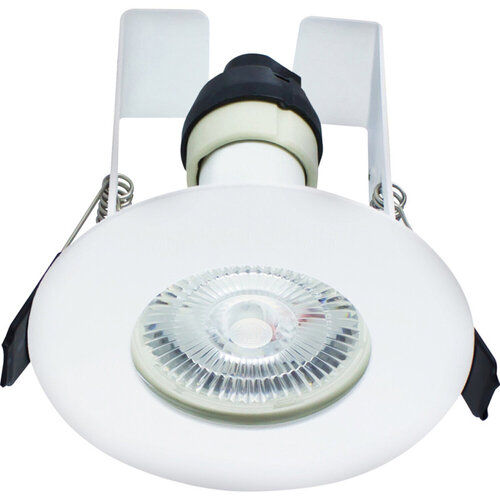
Integral LED Evofire IP65 Fire Rated Downlight - White with Insulation Guard
White IP65 fire-rated downlight with 1mm bezel and insulation guard, suitable fo…
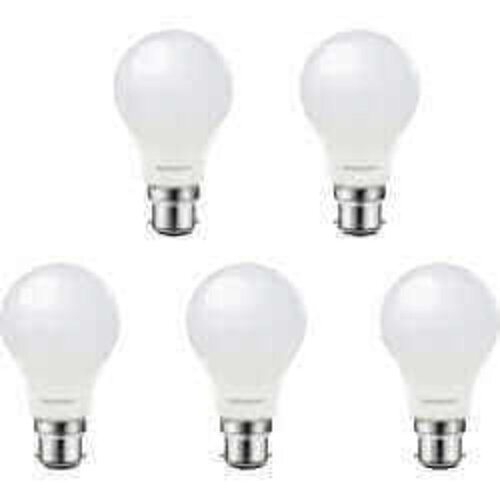
Wessex A60 GLS Bulb - 7.3W BC Cool White 806lm 5 Pack
7.3W LED bulb, BC B22 cap, 806lm cool white (4000K), pack of 5
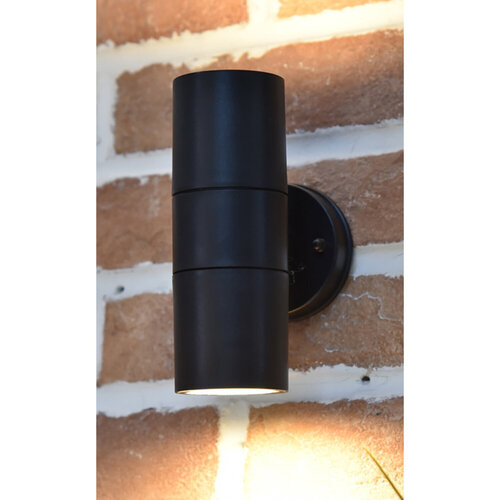
Coastal Outdoor Up & Down Wall Light IP44 - Black 2 x GU10
Black IP44 up-and-down wall light with PIR sensor and twin GU10 sockets
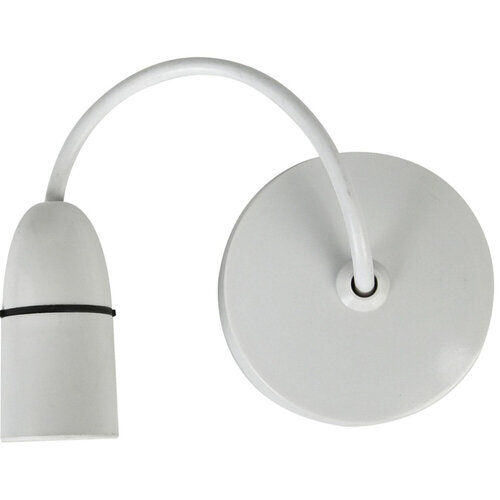
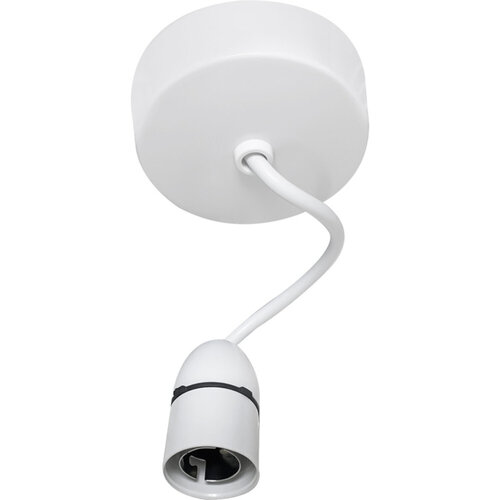
Made4Trade Pendant Set - 100W T2 6" Drop 5 Pack
White pendant light set, 6-inch drop, 5-pack, 100W
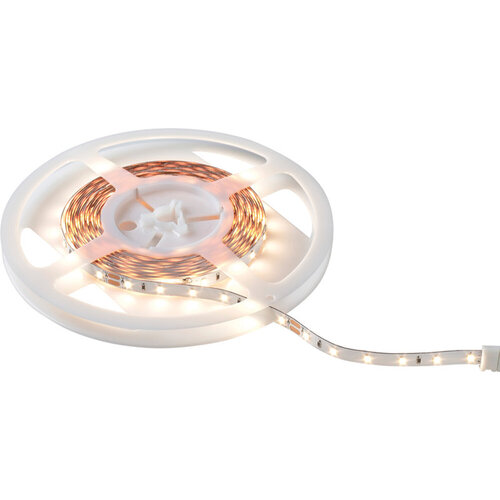
Sensio Primo Dart IP20 Dimmable Flexible LED Strip Light - 24V 3000K 405lm/m 5m
5m warm white dimmable LED strip for Sensio Primo/Sigma system
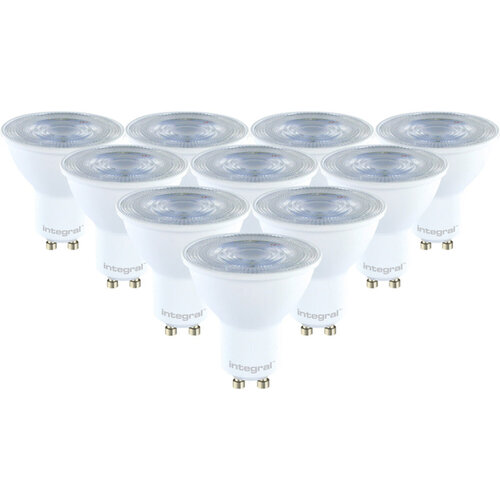
Integral LED Classic GU10 Lamp - 3.6W Warm White 345lm 10 Pack
3.6W warm white LED GU10 lamp, 345 lumens, 10-pack, non-dimmable
For the Trade
Start with the space and how it’s going to be used before you get drawn into finishes or extras. Tight ceilings, awkward corners and low access usually rule out half the options straight away. If the job needs steady working light, you’ll spec differently than you would where appearance matters more. LED lighting is usually the first check because it changes running cost and maintenance. After that, it comes down to whether output, appearance or both are driving the spec. Decorative lighting has its place on visible schemes, but it’s rarely the first pick on a purely functional job.
Commercial Lighting
For commercial jobs, you’re usually deciding on output, control and maintenance first, not finish. A warehouse, corridor or plant area needs lighting that stays consistent and is easy to keep on the books. Reception or front-of-house areas may need a cleaner look without losing usable light.
That’s where Commercial Lighting sits apart from the rest of the range. It’s the pick when the spec is driven by performance and running cost, not decorative effect. The usual mistake is buying on appearance and then finding the beam spread or fitting style doesn’t suit the job.
Downlights
Downlights usually come down to ceiling depth, beam spread and how clean you want the finish to look. If you want a neat, low-profile result with less visual clutter, they’re the one to look at. If you want a more obvious fitting or a wider decorative statement, another lighting route makes more sense.
On site, the main check is access above the ceiling and whether the cut-out is already fixed. That decides what you can use without rework. Start with Downlights, then check the trim style, fire rating and whether the job needs a fixed or adjustable head.
Fluorescent Starters
For this part of the job, you’re checking what the fitting needs to run, not the look of the lantern or lamp. Fluorescent Starters are the narrow buy when you’re replacing a failed starter in an older fluorescent fitting. That is quicker than changing the whole unit.
The catch is simple. If the fitting has already been converted, or the tube gear is different, the starter will not be the answer. These are the small parts that get missed until the light starts flickering or will not strike at all.
Indoor Lighting
Indoor lighting is where you narrow things down by finish, output and how much of the fitting you want to see.
If you want a cleaner look, recessed or low-profile options usually make sense. When access is awkward or the ceiling build-up is limited, surface-mounted lighting fixtures are often the easier call.
LED lighting is still the first check on most jobs because it cuts maintenance. After that, the real choice is between even ambient lighting, more focused task lighting, or something more decorative. Get that wrong and you end up with glare, patchy coverage or a fitting that looks out of place once it’s up.
Inspection Lamps
Inspection lamps are the ones you pick when the job needs a close, directional beam rather than general lighting. Start with the power source and runtime. That tells you whether you can keep moving or end up tied to a charger.
Then check the head style and how much control you need over the beam. A fixed lamp suits simple checks. An adjustable one gives you more reach around awkward angles and tight access.
Weight and grip matter too. A lamp can look bright enough on paper and still feel awkward in hand, which slows you down on site.
Led Batten Lights
For batten jobs, start with two things: how much light you need and how much ceiling space you have to work with. A plain batten suits a straightforward fitting with good spread and a clean install. Crews often use it in utility spaces, stores and back-of-house areas.
If the brief leans more on appearance, you move away from this and into decorative lighting or a different fitting style. The trade-off is simple. Batten lights are practical and efficient, but they are not the choice when the fitting itself needs to do the visual work.
What to Check Before You Buy
The first check is what the light has to do. That usually sets the spec before anything else.
If the fitting is part of the finish, look at decorative lighting or better lighting fixtures. You gain a cleaner look, but you give up some of the plain, hard-wearing options.
If the job is about output and running cost, led lighting is usually where you end up. Even then, you still need to watch colour temperature, beam spread and how much glare the space can take.
For task lighting, choose the unit that puts light where it’s needed. Don’t pick the one that only looks neat on the sheet.
Useful Alongside Lighting
Once you’ve picked the fitting, the next call is what sits around it. On a lot of jobs, that means the ceiling or wall finish, plus any panels, screens or storage that need to line through with the light positions.
If the lighting is part of a clean spec, choose the surrounding products at the same time. A late change to the ceiling build or wall finish can mean moving fittings, not just swapping lamps. Keep the lighting and the adjacent finish tied together, and you cut out the back-and-forth over cut-outs, access and what stays visible.
Related searches
Local availability for Lighting