Commercial Power Distribution
Commercial power distribution comes down to what the board has to take, how much spare way you want, and whether you need a plain commercial electrical board or a heavier site power board for rougher conditions. If the job is straightforward, commercial fuse boards keep things simple. If the spec is busier or likely to change, a board with more headroom usually saves you swapping it out later.
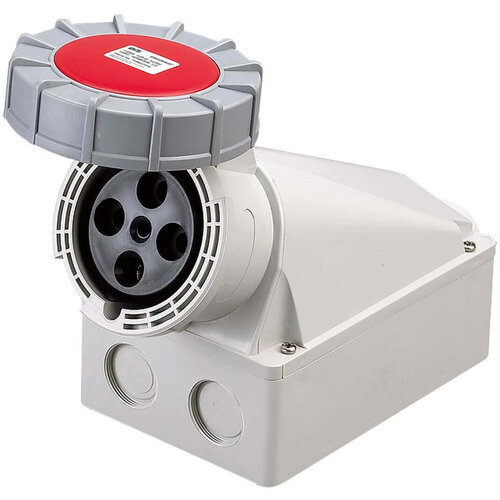
Eris Industrial IP67 Surface Socket - 125A 3P+E 415V
IP67 surface socket rated 125A 3P+E 415V red
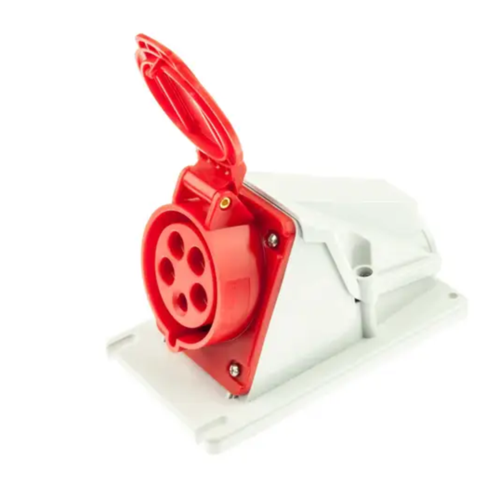
Gewiss Wall Mounted Socket IP44 - 32A 3P+N+E 415V
32A 3P+N+E 415V wall mounted socket, IP44 rated
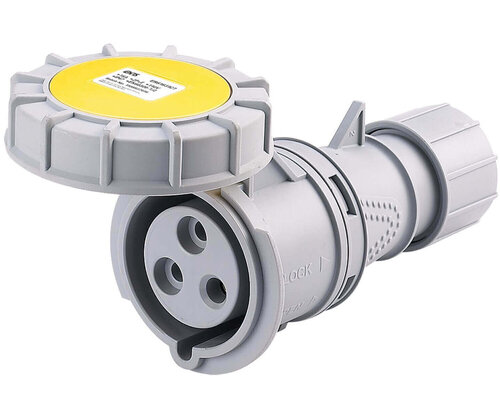
Eris Industrial IP67 Industrial Connector - 16A 2P+E 110V Yellow
Eris Industrial 16A 2P+E 110V IP67 yellow industrial connector.
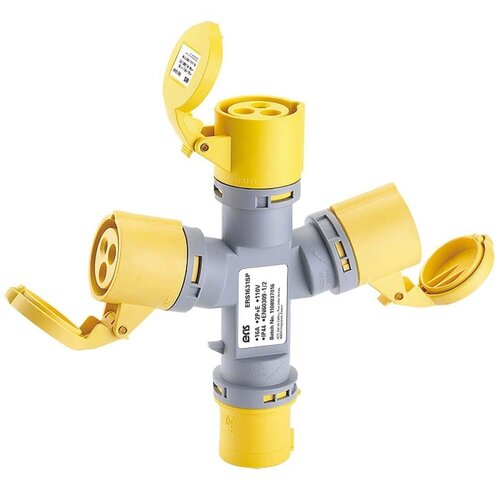
Eris Industrial 3 Way Splitter - IP44 16A 2P+E 110V
Yellow 3-way splitter, IP44, 16A, 110V, 2P+E
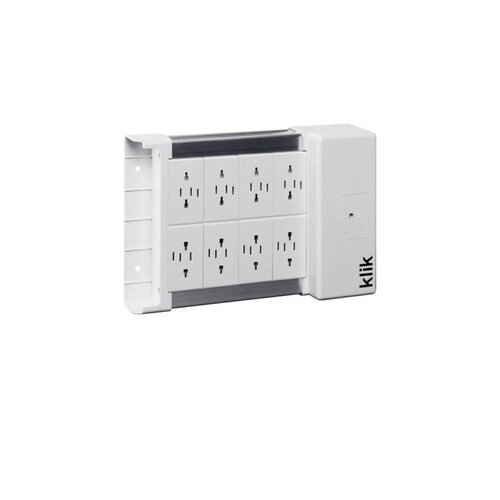
Klik Lighting Distribution Unit - 8 way
8 way lighting distribution unit with detailed manual
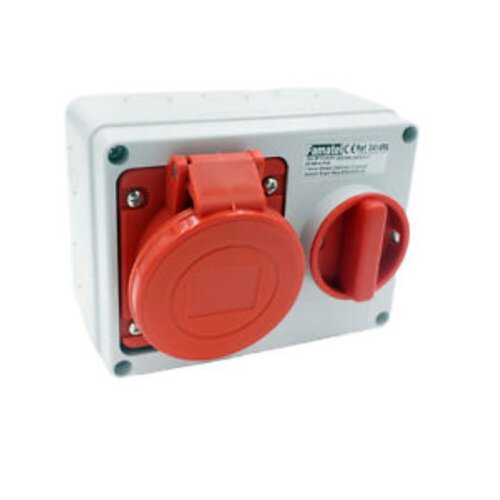
Famatel 16A Horizontal Switched Interlocked Socket IP44 - 415V 5 Pin
16A 5 Pin 415V horizontal switched interlocked socket with IP44 rating
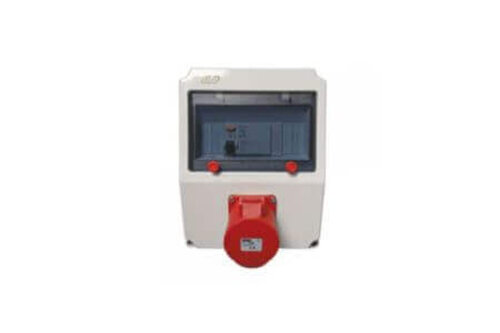
IES 2 RCD Socket - 63A 3P+N+E IP44
63A 3P+N+E IP44 splashproof RCD socket, 415V
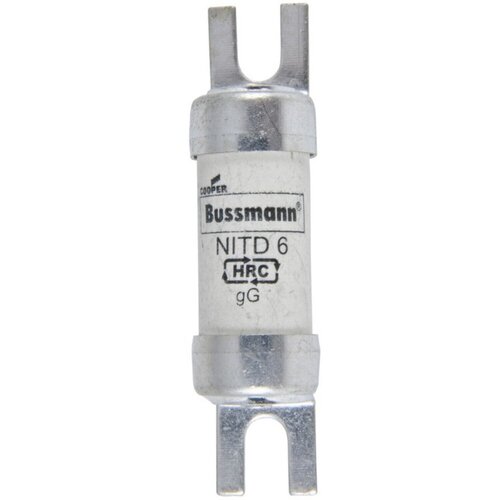
Eaton Offset Bolted Tag Fuse - 14mm x 55mm, 10A, 550V, 80kA
10A 550V offset bolted tag fuse with 80kA breaking capacity
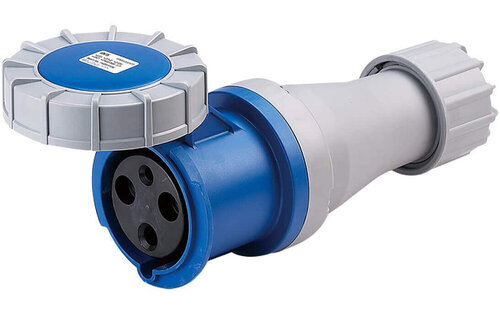
Eris Industrial IP67 Industrial Connector - 63A, 2P+E, 240V, Blue
63A 2P+E industrial connector, IP67, 240V, blue.
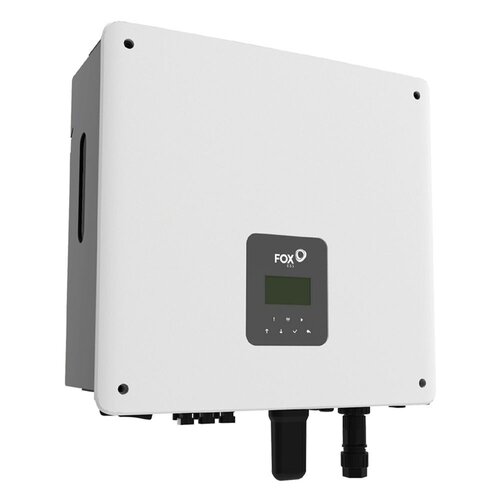
Fox ESS Hybrid Solar Inverter - 6kW 2MPPT Single Phase
Hybrid solar inverter, 6kW, 2 MPPT, single phase
For the Trade
Start with the space you’ve got and how the board will be used, because that usually rules out half the options before you look at finishes or accessories. On commercial power distribution jobs, layout drives the choice. Count the outgoing ways you need. Check how tight the enclosure space is. Then decide if you’re building for a fixed fit-out or something that may need changing later. A commercial fuse board with a simple layout is usually the cleaner buy where the spec is settled. A busier commercial electrical board makes more sense when you need room to grow. The site power board that gets called back is often the one that looked fine on paper but was too cramped once the tails and devices were in.
Commercial Power Distribution Options Compared
If the job is straightforward and the spec is settled, commercial fuse boards are usually the neatest call. You buy to a known load, so you are not paying for spare capacity you will not use.
Trade distribution boards suit jobs that may change. They give you room for extra circuits without replacing the whole board later.
A commercial electrical board with a simpler layout works well on repeat work, where speed and familiarity matter. A site power board fits temporary or changing setups, where access and reconfiguration matter more than a tidy final fit.
For the parent range, see Power Distribution & Circuit Protection.
Choosing Materials and Size
What usually decides commercial power distribution is the load, the spare ways you want left, and how much room you’ve actually got in the plant area or riser. A tighter board keeps the job neat, but it leaves less headroom if the spec changes later.
Go with a simpler layout when the circuit list is fixed. Step up when you know the client keeps adding loads. If you’re matching existing gear, Consumer Unit Accessories often need checking at the same time, because the wrong extras slow you down on the day. Once the job moves into heavier supply or multiple phases, 3 Phase Distribution is the next call.
Completing the Setup
Once the board is chosen, the next call is usually the kit around it. Screens, enclosures, labels and any storage or access gear the site wants with it.
If the run is being built out alongside other electrical work, the 3 phase distribution side often gets picked at the same time, so you are not revisiting the spec later. For smaller add-ons and replacements, consumer unit accessories are the usual follow-on, especially where you are matching existing gear and need the finish to stay consistent.
Related searches
Local availability for Commercial Power Distribution









