Contactors
Contactors are the usual pick when you need switching from a control circuit, not a hand-operated isolator. The main call is whether you're switching a lighter single-phase load or a heavier three-phase one, and whether you need a compact unit or a tougher setup with room for accessories. Most problems come from the wrong size or coil arrangement, not the name on the front.
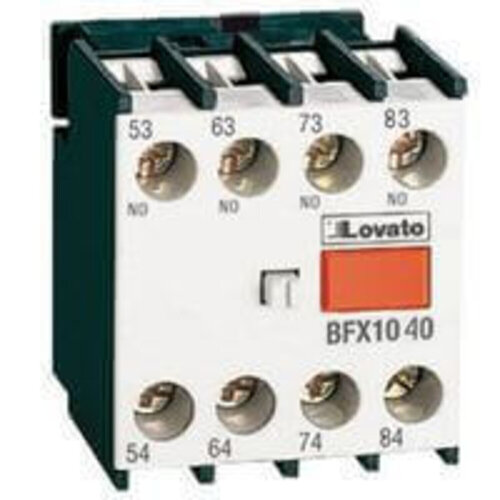
Lovato Auxiliary Contact with Front Centre Mounting, Screw Terminals - 2NO/2NC
2NO/2NC auxiliary contact with front centre mounting and screw terminals
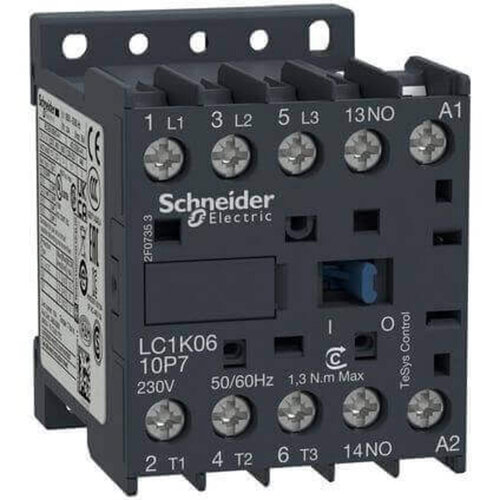
Schneider Electric TeSys K 6A Contactor, 3 Pole, 3NO, 24V AC
Schneider Electric TeSys K 6A contactor, 3 pole, 3NO, 24V AC
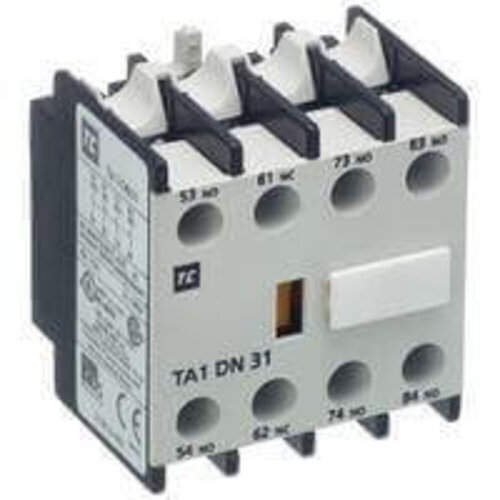
ALI Industries Auxiliary Contact Block Front Mounting - 2NO + 2NC
Front-mount auxiliary contact block, 2NO+2NC, 10A rated
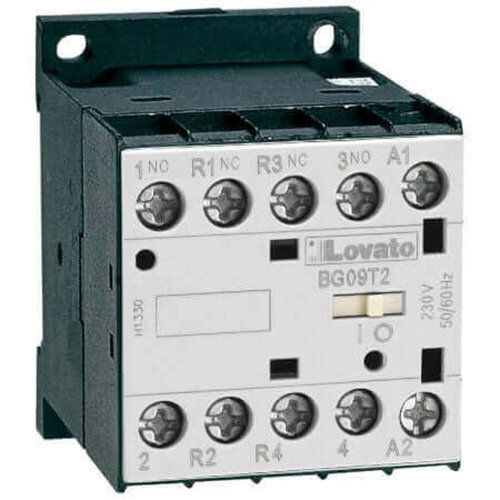
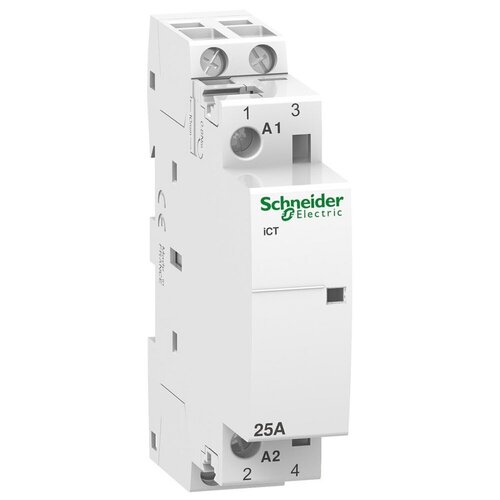
Schneider Electric Acti9 iCT Contactor - 25A, 2 Pole, 230V-240V AC Coil, 2NO
Schneider Acti9 iCT 25A 2P contactor, 230-240V AC coil, 2NO
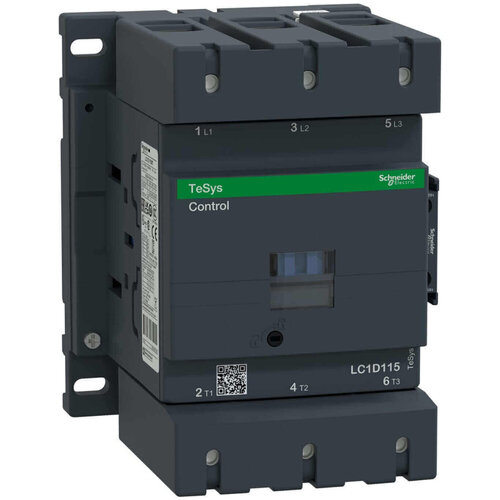
Schneider Electric Contactor - 115A 240V 50/60Hz
115A 240V contactor for 50/60Hz applications
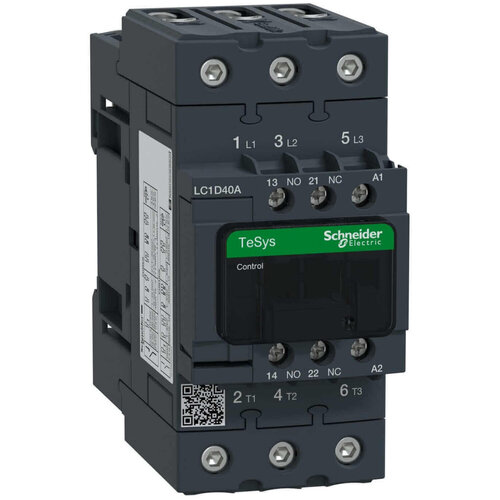
Schneider Electric 3 Pole Contactor - 40A 24V 50/60Hz
3-pole contactor, 40A, 24V 50/60Hz coil, for industrial control
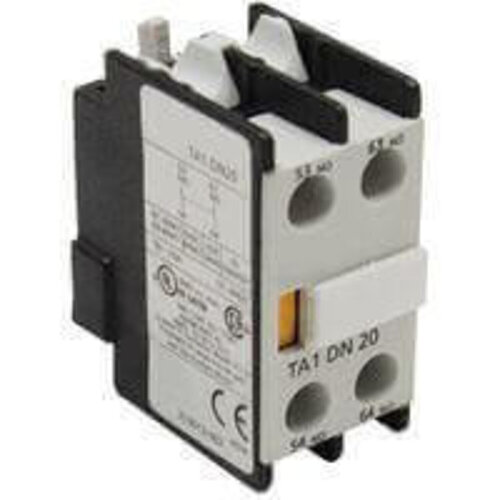
ALI Industries Auxiliary Contact Block Front Mounting - 2NO
Front-mounting auxiliary contact block 2NO, 10A thermal current
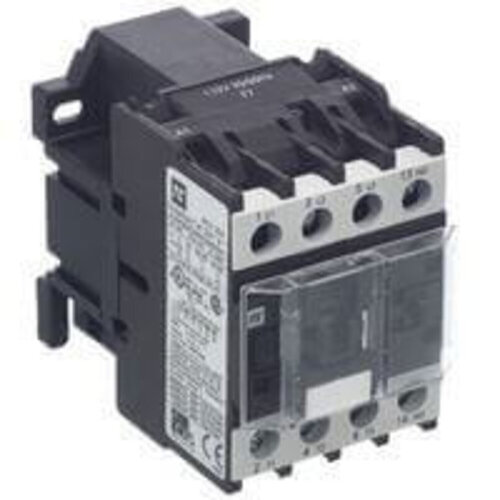
ALI Industries Contactor - 32A, 15kW, 3 pole, 415V AC coil, 1NO aux
ALI Industries contactor, 32A, 3 pole, 15kW, 415V AC coil, 1NO aux
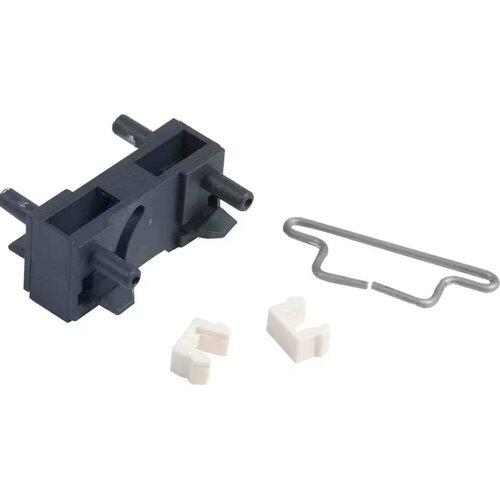
Schneider Electric Mechanical Interlock Tesys Deca Range
Schneider Electric Tesys Deca mechanical interlock.
For the Trade
Start with the space you’ve got and how the load will be used. That usually sets the choice before you get into finishes or accessories. If the panel is tight, a smaller contactor can save you grief on the build-out. If the duty is heavier or the switching is more frequent, step up rather than force in the cheapest option. Check the coil and pole arrangement against the control gear you’re already using. Then look at the body size and mounting space. Most jobs go wrong on the fit, not the switching.
Types of Contactors
For most jobs, the first split is between control contactors and the heavier types. Control contactors suit straightforward switching when you want a compact unit and the duty is light. Miniature contactors are the better call when panel space is tight but you still need proper control gear.
Move up to three phase contactors when the load and switching pattern are more demanding. The lighter units start to feel marginal there. Heavy duty contactors suit repeated operation and higher load, with space saving taking a back seat. If you’re matching the rest of the board, keep the parent Power Distribution & Circuit Protection range in view so you stay in the right part of the spec.
Selection Factors for Contactors
The first check is what the load does day to day. That usually sets the frame size and duty margin more than anything else. Compact contactors work where panel space is tight and the switching demand stays modest, but you lose headroom if the job is being cycled hard.
For heavier or more frequent switching, step up rather than forcing in a smaller unit. That is where callbacks start when the contacts are running too close to the limit. If you are building out a board and need matching parts around it, Consumer Unit Accessories are usually the next buy. Where the job sits on a larger supply, 3 Phase Distribution is the other check before you order.
Finish the Room
Once you’ve picked the contactors, the next call is usually the gear around them. That means the panel space, the enclosure layout, and any nearby protection or control hardware that has to sit with it. If the install is going into a larger board, the panel and screen arrangement matters. A cramped enclosure leaves you fighting for terminations and access later.
On the same job, you may also be pulling in consumer unit accessories or a nearby isolation point, depending on how the circuit is grouped. The aim is to finish the assembly around the contactors, not leave a good device buried in a poor layout.
Local availability for Contactors